
The Story Behind Shiro Wat: A Favorite Ethiopian Food
Shiro Wat Is more than a dish. It is a welcome in a kitchen, a story told through aroma, and a gentle hug of flavor. This article invites you to explore its cultural value and culinary significance. You will see how a simple chickpeas-and-spice sauce can illuminate daily meals and special gatherings alike.
What is Shiro Wat? A Quick Overview
Shiro Wat is a smooth, richly flavored sauce built from ground chickpea flour. The flour forms a creamy base that thickens as it simmers. Berbere and other aromatics—onion, garlic, ginger—give depth and warmth. The result is a comforting, versatile dish that shines on its own or as part of a larger spread. Shiro Wat is a staple in many Ethiopian homes, prized for its protein, texture, and inviting scent.
The Core Ingredients and Their Roles
- Ground chickpea flour provides body and protein. It creates the signature creamy texture.
- Berbere, a bold spice blend, brings warmth and color. It wakes the dish with citrusy, peppery notes.
- Onions, garlic, and ginger add sweetness, aroma, and brightness.
- Oil or clarified butter carries the flavors and gives a gentle sheen.
- Salt balances the spices and enhances every element.
These ingredients work in harmony. Each component has a specific job, yet they blend into one cohesive, comforting sauce. The simplicity of the core list is part of Shiro Wat’s beauty.
The Craft: From Powder to Velvet Sauce
The preparation starts with sautéing onions and seasonings in oil to release fragrance. Then the chickpea flour is whisked in slowly with water or stock. The mixture cooks gently, thickening into a smooth, velvety sauce. Gentle stirring prevents lumps and keeps the texture lush. The result is a sauce that clings softly to bread, injera, or steamed grains. The technique rewards patience and attention, turning modest ingredients into a dish with character.
Cultural Value: Hospitality, Shared Meals, and Rituals
Shiro Wat shines in gatherings and everyday meals alike. It is a dish of warmth, preparation, and care. Preparing Shiro Wat signals attentiveness to those at the table. Serving it invites conversation and connection. In many homes, a pot of Shiro Wat sits at the center of the meal, inviting guests to partake and share. The aroma creates anticipation and comfort, drawing people together. Its presence on the table signals hospitality, generosity, and a willingness to nourish friends and family.
In daily life, Shiro Wat often appears during festive meals, family gatherings, and special Sundays. It offers balance—protein-rich comfort on days when meat is less common, or simply as a beloved staple that everyone looks forward to. The dish embodies a spirit of steadiness: reliable, flavorful, and reassuring.
Regional Variations and Personal Touches
Across regions and households, Shiro Wat carries subtle differences. Some cooks add a dash of fresh lemon juice for brightness. Others increase the heat with more berbere or add ground fenugreek for a warm, maple-like hint. In some kitchens, a touch of cardamom or turmeric is folded in to lift the aroma. These variations celebrate personal taste and local ingredients while keeping the core character intact: a smooth, flavorful chickpea base enriched with spice.
Pairings and Serving Traditions
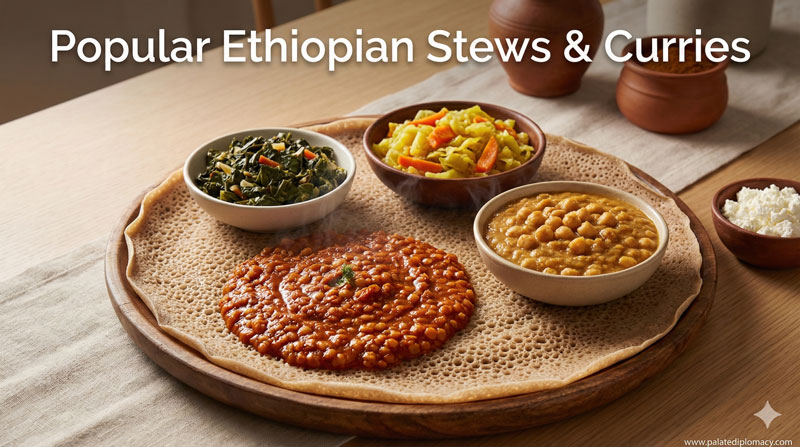
Shiro Wat pairs beautifully with injera, the spongy Ethiopian flatbread that soaks up flavors. It also complements rice, millet, or steamed grains. A side of sautéed greens, lentil stews, or a simple salad adds color and contrast. The serving style often invites dipping and scooping, encouraging shared bites and steady conversation. The dish can stand alone for a light meal or join a larger plate for a celebratory feast.
Texture, Aroma, and Flavor Journey
The texture is the star: creamy, silky, and comforting on the tongue. Aroma plays a guiding role, too, inviting you to breathe in warm spice and to anticipate each bite. Flavor unfolds in layers—the nutty chickpea base, the peppery warmth of berbere, and the gentle sweetness from onions. The experience is balanced and soothing, with a bright finish that lingers pleasantly.
A Table of Respect: Presentation and Experience
Presenting Shiro Wat with care reflects respect for the cook and the guests. A well-made pot, a clean serving spoon, and a neat arrangement on the table speak to thoughtfulness. The dish invites all ages to participate in the meal, from elders to young ones, reinforcing a sense of belonging and shared heritage. The experience is peaceful, welcoming, and appreciative of good cooking.
Preservation of Flavor: Freshness and Storage
Shiro Wat tastes best when made fresh, enjoyed soon after it thickens. If you must store it, cool thoroughly and refrigerate promptly. Reheat gently, adding a splash of water or stock to regain the creamy texture. Small batches retain flavor more easily, but larger portions also store well with mindful reheating. Fresh spices and a quick stir can revive brightness after reheating.
The Enduring Beauty of Shiro Wat
Shiro Wat stands at the crossroads of simplicity and depth. It uses modest ingredients to create a dish that feels celebratory and comforting at once. Its cultural value resides in how it brings people together, how it honors daily labor in the kitchen, and how it enriches the table with warmth and texture. The dish is a testament to careful preparation, generous sharing, and the timeless appeal of well-made comfort food.
If you seek a dish that speaks of care, community, and culinary craft, Shiro Wat offers a respectful invitation. It is a favorite for good reasons: it tastes delightful, nourishes with protein and flavor, and glows with the quiet dignity of a well-crafted classic. May your next meal with Shiro Wat be a small celebration of flavor, family, and hospitality.