
The Story Behind Shiro Wat, a Favorite Ethiopian Food
Shiro Wat Is a beloved emblem of Ethiopian home cooking. It appears at family meals, festive gatherings, and simple everyday lunches. Its aroma invites you closer, and its creamy texture rewards patience and careful stirring. This dish tells a story of warmth, welcome, and shared nourishment. It stands not only for flavor but for the care that goes into feeding loved ones. In Ethiopian kitchens, Shiro Wat is more than a meal—it is a ritual of hospitality and a celebration of cupboard staples transformed into something comforting and special.
What Is Shiro Wat? Ingredients and Texture
Shiro Wat is a thick, velvety stew built around ground chickpeas or chickpea flour (often sold as “shiro powder”). The base flavors come from a simmered onion soffritto, garlic, and ginger, slowly blended with berbere—an iconic Ethiopian spice mix that carries peppery warmth, paprika, cumin, coriander, and other aromatic notes. The mixture is simmered with water or stock until it becomes smooth and creamy, releasing a gentle, nutty aroma. Some cooks enrich the dish with a small amount of niter kibbeh (a spiced clarified butter) for depth, while others use vegetable oil for a lighter finish. Tomato purée may appear in some versions, adding a touch of brightness. The result is a bright, grainy cream that coats injera or rice, inviting you to scoop and savor with the first bite.
Cultural Value: Hospitality, Family, and Shared Meals
Shiro Wat embodies hospitality in every spoonful. In Ethiopian culture, meals are social rituals. Food is prepared with intention, and serving others is a sign of care and respect. Shiro Wat fits perfectly into this social fabric: it is simple to Make in large batches, requiring relatively few ingredients, yet it offers deep satisfaction. It appears in weekly family menus as well as on special occasions, reinforcing the practice of gathering around a shared table. The dish also reflects seasonal rhythms. During fasting periods in Orthodox communities, Shiro Wat shines as a nourishing, plant-based staple that respects traditional dietary practices while delivering comfort and fullness. Its presence at gatherings signals warmth, reciprocity, and a desire to bring joy to guests through a well-made, soulful dish.
The Making: Techniques and Flavor
The beauty of Shiro Wat lies in its technique and patience. Start with a light sauté of onions until they turn translucent and slightly caramelized. Then add garlic and ginger to bloom their aromas. Berbere goes in next, releasing its peppery, aromatic spice as it toasts briefly. The chickpea base—whether ground chickpeas or chickpea flour mixed with water—is whisked in gradually to avoid lumps, then simmered slowly. Gentle stirring is key; it prevents scorching and helps the mixture emulsify into a creamy, silky texture. Some cooks finish with a pinch of salt and a splash of warm oil or melted butter to round out the flavors. The result is a dish that rewards slow, attentive cooking and careful layering of spice and aroma.
Serving and Custom: Injera as a Vessel
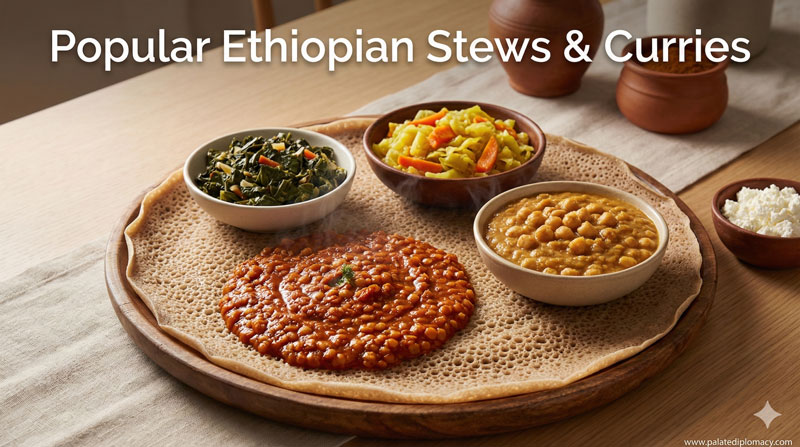
Shiro Wat is almost always served with injera, the sour, pancake-like flatbread that is the page on which Ethiopian meals unfold. Diners tear pieces of injera and use them to scoop the Shiro Wat, absorbing the sauce as the bread soaks up every nuance of flavor. This method of serving reinforces the sense of sharing and togetherness: everyone participates in building bites, passing the injera, and savoring the communal experience. The pairing highlights balance—creamy, savory Shiro with tangy injera creates a harmony that feels both comforting and celebratory. In many households, a large platter of injera anchors the table, proudly hosting bowls of Shiro Wat and a dozen other small dishes, each contributing color, texture, and aroma to the meal.
Regional Variations and Seasonal Classics
Though the core identity of Shiro Wat remains consistent, regional styles add subtle charm. Some regions favor chickpea flour for a smoother, creamier finish, while others use coarser ground chickpeas for a heartier bite. The spice profile can vary in intensity; berbere may be bold in one home and milder in another, reflecting family preferences and seasonal ingredients. A touch of chopped green chilies or a splash of fresh lemon juice sometimes appears to brighten the dish, depending on taste. The base can also shift with available ingredients—onions and garlic remain constant, but the ratio of spices and the use of oil versus butter may differ. This flexibility echoes the wider Ethiopian culinary tradition, where families adapt familiar recipes to their pantry while preserving the essence of the dish.
Shiro Wat and Festive Dining
Shiro Wat holds a special place during celebrations and religious observances. Its plant-based profile aligns with fasting periods, making it a reliable centerpiece when meat is set aside. Yet even beyond constraints, Shiro Wat stands out for its comforting familiarity during holidays and family feasts. The dish invites guests to pause, be present, and share a meal that feels intimate and dignified. In many households, Shiro Wat is prepared with the same care one would give to a favorite family recipe, passed down with stories about flavors, techniques, and memories of gatherings around the table.
Pairings, Etiquette, and Modern Enjoyment
In traditional dining, Shiro Wat is enjoyed with injera, as noted, but it also pairs well with plain rice or a simple flatbread substitute when injera isn’t on hand. The aroma invites slow appreciation, making it ideal for quiet afternoons or weekend lunches with loved ones. Modern kitchens might experiment with garnishes such as toasted sesame seeds or a drizzle of olive oil to finish, but the heart of the dish remains the same: a humble, nourishing preparation that elevates everyday meals through technique and care. The enduring appeal lies in its ability to make everyone feel welcome at the table, inviting conversation and shared delight.
A Nourishing Connection: Nutrition and Culinary Significance
Shiro Wat offers a meaningful nutritional profile. Ground chickpeas provide plant-based protein and fiber, contributing to fullness and steady energy. The dish’s gentle fat from oil or butter adds richness without heaviness. Onions, garlic, and ginger deliver aroma and healthful compounds, while berbere brings warmth and complexity to the palate. The result is a balanced, satisfying dish that accommodates vegetarian and vegan meals while offering deep cultural resonance. This culinary significance extends beyond taste: Shiro Wat represents a practical, flavorful expression of nourishment that families rely on across seasons, affirming a shared culinary heritage.
Closing Thoughts: The Beauty of Shiro Wat
Shiro Wat embodies the beauty of Ethiopian cooking: simple ingredients transformed with patience, paired with a bread that invites communal dining, and served with hospitality as the guiding principle. Its cultural value rests in its ability to connect people—across generations, in moments of daily life, and during festive gatherings—through a dish that feels both comforting and special. As a favorite Ethiopian food, Shiro Wat invites us to slow down, savor texture and spice, and celebrate the artistry of home cooking. It is a reminder that food, prepared with care and shared with others, can become a lasting memory and a doorway to a meaningful dining experience.