
The Story Behind Shiro Wat: A Favorite Ethiopian Food
Shiro Wat Is a beloved Ethiopian dish that centers on a silky, spiced chickpea flour sauce. It thrives on simplicity and depth, marrying humble ingredients into a comforting, fragrant dish. The Story of Shiro Wat unfolds at family tables, in bustling kitchens, and in the calm rituals of Ethiopian dining. It invites everyone to share, savor, and listen to the warmth of a well-made pot.
What Shiro Wat Is
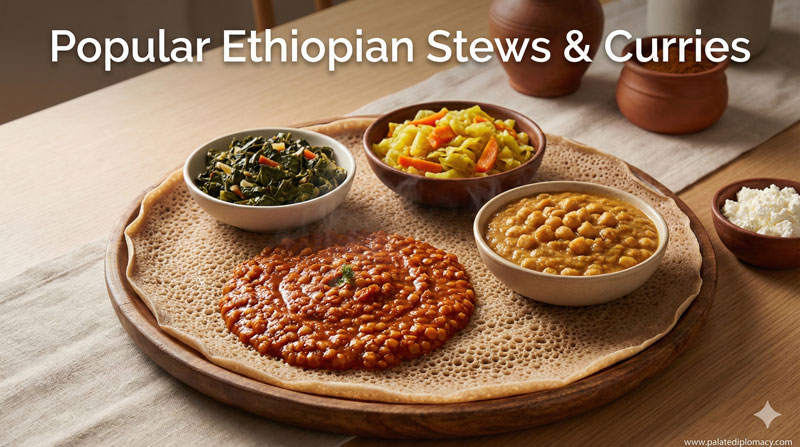
Shiro Wat is a thick, savory stew made from ground chickpeas or broad bean flour. It is seasoned with a careful blend of spices, typically including berbere, garlic, and onions. The sauce becomes smooth and rich as it simmers, creating a texture that clings gently to injera, the spongy Ethiopian flatbread that accompanies it. The dish can stand on its own or pair with other stews, but its heart remains the same: a fragrant, comforting bowl that speaks of home and hospitality.
Core Ingredients and Texture
The essence of Shiro Wat rests on two elements: the flour that forms the base and the aromatics that wake it up. Ground chickpea flour provides body and a creamy mouthfeel. Finely chopped onions, garlic, and sometimes ginger build a sweet-savory foundation. Berbere adds warmth and color, while a drizzle of oil or niter kibbeh rounds the sauce with subtle richness. The result is a smooth, glossy sauce that coats every bite and invites you to slow down and savor.
The Cooking Process
Shiro Wat shines through a steady, attentive simmer. Begin by sautéing onions until they turn soft and golden. Add garlic, spices, and a touch of salt, letting the aromas rise. Stir in the chickpea flour gradually, along with water or stock, until the mixture thickens into a velvety paste. Simmer gently to develop depth, then adjust with a splash of water if needed. The final touch is a brief, bright lift of oil, which enhances the aroma and finish. Each step invites patience and care, reflecting the craft of traditional home cooking.
Shiro Wat and Injera: The Perfect Pair
Injera plays a starring role alongside Shiro Wat. The flatbread acts as both plate and utensil, catching the sauce and offering a soft counterpoint to the spice. Diners tear pieces of injera and use them to scoop the rich Shiro Wat, creating a hand-to-mouth rhythm unique to Ethiopian meals. This pairing emphasizes shared eating and togetherness, turning a simple meal into a shared ceremony of flavor, texture, and conversation.
Cultural Significance in Ethiopian Food Culture
Shiro Wat embodies hospitality and everyday generosity. It is a staple in many homes, ready to nourish family and friends alike. The dish adapts to daily meals and to gatherings, from quiet weeknights to larger celebrations. Its preparation often represents care and thoughtfulness, reflecting the value Ethiopians place on feeding guests with warmth and attention. Shiro Wat also shines during fasting periods when lentils, chickpeas, and legumes take center stage; it demonstrates how tradition shapes taste, season after season.
Regional Variations and Modern Twists
Across regions, cooks adapt Shiro Wat with small changes that honor local flavors. Some kitchens add a touch of fenugreek or a hint of mitmita for a sharper heat, while others favor a milder profile with extra onions. The use of niter kibbeh (flavored clarified butter) can enrich the dish with a subtle, fragrant layer. Yet the core remains constant: a smooth, deeply seasoned chickpea base that welcomes injera and conversation alike. These variations celebrate diversity within a shared culinary heritage.
Serving Tips and Etiquette
To honor the dish, serve Shiro Wat hot and protect its aroma with a covered pot. Present it with injera on the side, and invite guests to tear and scoop. Encourage lingering moments of tasting and storytelling, as meals become occasions to connect. Simple garnishes such as fresh herbs or a light drizzle of oil can elevate the final flavor without overpowering the core.
A Closing Thought: The Story in Every Bowl
Shiro Wat speaks to the beauty of Ethiopian cuisine: balance, warmth, and shared delight. It is more than a meal; it is a living tradition that invites generosity, attentiveness, and joy. In every bowl, one tastes history, community, and the quiet magic of well-made comfort food. This is the story behind Shiro Wat—a celebrated favorite that continues to enrich table after table.