
The Story Behind Shiro Wat, a Favorite Ethiopian Food
Shiro Wat Is a beloved Ethiopian stew. It centers on ground chickpea flour, slowly simmered with onions, garlic, and warm spices. The result is a creamy, comforting dish with a deep, inviting aroma. It shines in the heart of Ethiopian meals and feels welcoming to all who share a table.
What Is Shiro Wat? Ingredients and Preparation
The heart of Shiro Wat is the flour made from chickpeas or, in some regions, broad beans. This flour is mixed with oil or clarified butter and cooked with onions until they turn sweet and translucent. Garlic and ginger join the mix, adding brightness. Spices take the lead here, with berbere lending gentle heat and depth, and other seasonings adding warmth, aroma, and complexity. Water or stock thins the mixture to a silky, spoon-friendly consistency. The result is a stew that embraces you with a smooth texture and a layered, savory aroma. Optional additions, Like a touch of extra chili or herbs, let cooks tailor Shiro Wat to family tastes while preserving its identity.
Cultural Significance in Ethiopian Cuisine
Shiro Wat holds a special place in Ethiopian food culture. It is a dish that travels easily from daily meals to festive gatherings, always inviting and nourishing. It embodies hospitality, a cornerstone of Ethiopian dining. When Shiro Wat arrives at the table, it invites conversation, shared bites, and a sense of togetherness. Its simplicity and richness teach a quiet lesson: comfort can come from humble, well-prepared ingredients, combined with care and patience. Through generations, Shiro Wat has become a symbol of warmth, nourishment, and the joy of sharing good food with friends and family.
Regional Variations and Techniques
Across regions, cooks bring subtle differences to Shiro Wat. Some prepare a milder version with less heat, focusing on the creamy texture and the nutty sweetness of the chickpeas. Others fold in additional spices or aromatics to intensify the perfume of the dish. The base technique remains consistent: create a smooth, thick paste from chickpea flour, coax rich flavors from onions and garlic, and finish with a gentle simmer. These variations celebrate local palates while preserving the dish’s core identity. The adaptability of Shiro Wat is part of its lasting appeal.
Serving Traditions with Injera and Gursha
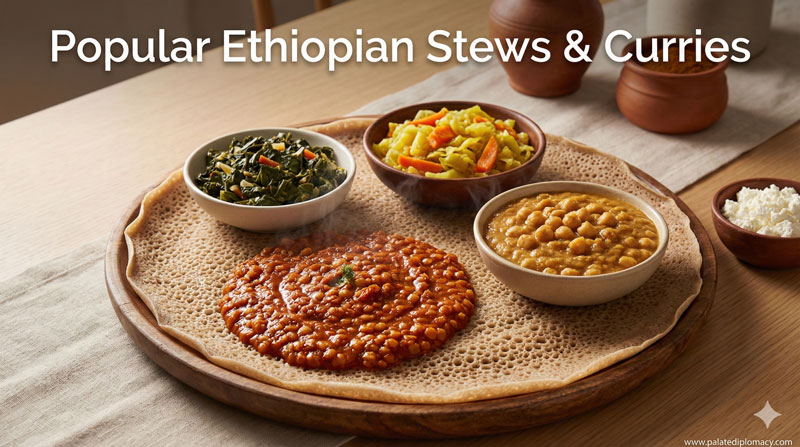
Shiro Wat is traditionally served with injera, the spongy Ethiopian flatbread that doubles as a plate and utensil. Diners scoop the stew with chunks of injera, letting the bread soak up its creamy sauce. This pairing elevates the experience of texture and taste, from the soft bread to the silky stew. A cherished practice around the table is gursha—the act of feeding another person with a bite of food using injera. Gursha expresses warmth, generosity, and care, and it deepens the sense of communal dining that surrounds Shiro Wat.
The Flavor Story: Aroma, Texture, and Color
A pot of Shiro Wat releases a comforting perfume: nutty chickpeas, toasted onions, and the warmth of spices mingle to invite the senses. The texture is smooth and rich, a creamy spooniness that glides across the palate. The color—a soft, amber-brown—reflects days of careful simmering and the caramelization of onions. The balance of gentle heat, savory depth, and a touch of sweetness creates a dish that feels both grounding and celebratory, suitable for everyday meals and special occasions alike.
A Dish That Brings People Together
Shiro Wat is more than its taste. It is a shared experience that anchors conversations, rituals, and memories at the table. Families gather around a pot of Shiro Wat, passing the bread, exchanging stories, and savoring the moment of connection. In many homes, preparing Shiro Wat is an act of care, a way to show hospitality that resonates beyond flavor. The dish’s kindness lies in its ability to welcome guests with warmth and to remind everyone at the table that food is a communal treasure.
How to Appreciate Shiro Wat at Home
If you would like to bring this dish into your kitchen, start with a simple, respectful approach. Gather chickpea flour, onions, garlic, ginger, oil, and a careful bouquet of spices. Sauté onions until golden, then add garlic and ginger for fragrance. Stir in the chickpea flour and gradually add water or stock until the mixture thickens into a smooth, velvety sauce. Finish with berbere or your favorite spice blend, adjusting heat to your liking. Serve with warm injera or crusty bread. As you share the meal, take a moment to notice the texture, aroma, and the way the flavors unfold—layer by layer.
Closing Reflections: The Beauty of Shiro Wat
Shiro Wat embodies the beauty of Ethiopian food culture: simple ingredients, patient technique, and a spirit of hospitality. It invites us to slow down, savor textures, and celebrate togetherness at the table. Its story is told not only through flavor but through the gestures of sharing, the aroma rising from the pot, and the warm welcome extended to all who join in. By embracing Shiro Wat, we honor a timeless thread in culinary culture—one that reminds us that good food brings people closer and turns everyday meals into memorable moments.