
The Story Behind Shiro Wat, a Favorite Ethiopian Food
Shiro Wat Is more than a dish. It is a gentle celebration of patience, aroma, and shared meals. In homes and markets across Ethiopia, this cozy stew brings people together around a single pot. Its warmth travels beyond flavor, echoing the hospitality that makes Ethiopian food feel like a welcome. The story of Shiro Wat is a story of everyday richness—simple ingredients transformed with care into something comforting, dignified, and deeply rooted in daily life.
What Is Shiro Wat?
Shiro Wat centers on shiro, a finely ground chickpea flour that swells into a creamy, smooth base. The word shiro evokes the idea of a gentle, velvety texture that coats the tongue. Wat means stew, so Shiro Wat is a chickpea-flour stew that wears its spices with pride. The flavor begins with a fragrant base: onions sautéed in oil, then garlic and ginger brightening the pan. A carefully balanced blend of spices—often berbere or a milder mix—adds warmth without overwhelming the chickpea cream. Salt completes the dish, and water or stock loosens the mixture into a soothing, spoonable consistency. Optional touches—nutty niter kibbeh (clarified butter) for a richer finish, or a splash of tomato for color—appear in varied kitchens, but the heart remains the same: a smooth, comforting stew that shines with depth and simplicity.
The Craft and Technique
The beauty of Shiro Wat lies in technique as much as in ingredients. First, sauté onions until they glow and soften, releasing their natural sweetness. Next, add garlic and ginger to perfume the air. Then bloom the chosen spice blend, letting its oils wake the palate. The key moment comes when chickpea flour is stirred in; it should sizzle briefly, then moisten with liquid gradually. Whisking steadily prevents lumps and lets the flour dissolve into a glossy, thick cream. Simmer gently, allowing the aroma to mingle and the flavors to harmonize. Season to taste, and adjust with a touch more salt if needed. The result is a silk-like texture, enriched by the spice notes and the mellow sweetness of onions. When finished, the stew looks inviting and feels soothing to the bite—an edible embrace that invites lingering at the table.
Cultural Significance and Hospitality
Shiro Wat embodies daily Ethiopian hospitality. It is a staple in many kitchens, valued for its nourishment and accessibility. The dish often appears during family meals and special gatherings alike, offering a comforting center around which stories are shared. It is frequently enjoyed with injera, the tangy, spongy flatbread made from teff, which acts as both plate and utensil. The interplay of injera’s slight sourness with Shiro Wat’s creamy warmth creates a familiar balance that people seek at home and in communal settings. On fasting days, when plant-based meals take center stage, Shiro Wat often shines as a beloved, satisfying choice. In every bite, there is a sense of continuity—from grandparents to grandchildren—passed through time by hands that chop, stir, and serve with care.
Serving Traditions, Tasting Notes, and Memories
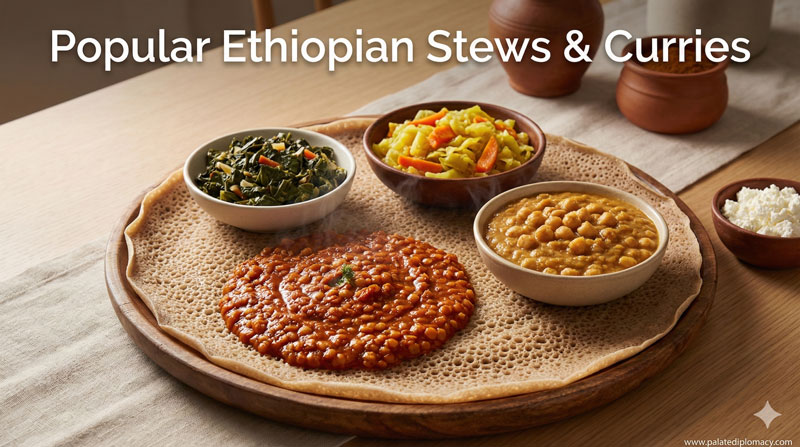
When Shiro Wat is plated, it rests in a warm bowl beside soft injera. Diners scoop a portion of the stew onto the bread, then fold and eat with gentle bites. The flavor offers earthiness from the chickpeas, a soft sweetness from the onions, and a peppery warmth from the spice mix. The texture is creamy without being heavy, a testament to patient simmering and careful whisking. Aroma plays a big role here: toasted onion, nutty chickpea flour, and a hint of spice mingle in the steam. For many, this dish carries memories of a bustling kitchen, a shared meal after a long day, or a quiet moment of comfort during a busy week. It pairs beautifully with cool drinks and, of course, more injera on the side to savor every last bit.
A Modern Lens: Variations and Accessibility
Today’s cooks enrich Shiro Wat while staying true to its essence. Variations appear in home kitchens and local eateries, each adding a personal touch. Some households use a touch of Coconut Milk for a softer, creamier finish. Others keep it strictly vegan with olive oil as the fat of choice. Spice levels vary, allowing gentle warmth for newcomers and bold heat for seasoned palates. Shiro Wat also adapts to different schedules: quick versions use pre-ground chickpea flour for speed, while traditional methods honor the slow, attentive stirring that yields a deeply glossy sauce. The dish remains approachable: the core technique is simple enough for Beginners and flexible enough for experienced cooks. In enjoying Shiro Wat, listeners discover how a humble ingredient—chickpea flour—can be transformed into a dish that speaks to patience, community, and a shared love of flavor.
If you seek a meal that nourishes the body and honors everyday culture, Shiro Wat offers a quiet, generous invitation. Its texture, warmth, and aroma carry a message of welcome. It is a reminder that food can be a bridge between kitchens, families, and moments of connection. Through Shiro Wat, we glimpse the beauty of Ethiopian food culture: a practice of care, clarity, and communal joy, plated in a single, unassuming bowl.