
The Story Behind Shiro Wat
Shiro Wat Is a beloved Ethiopian dish that blends warmth with everyday life. This dish shines as a story of patience, skill, and shared meals. The term “shiro” refers to a smooth chickpea flour stew, often called Shiro Wat when cooked with a deeper flavor. In homes and markets, people welcome Shiro Wat as a beacon of nourishment and care.
Core Ingredients and Preparation
Shiro Wat is built on ground chickpeas or broad bean flour, known as shiro powder. It starts with onions sautéed in oil or clarified butter until golden. Garlic and ginger join, bringing bright energy, then berbere or other spices flutter through the pot. The chickpea flour dissolves in hot water or stock, creating a thick, creamy sauce. Some cooks add a touch of tomato paste for color, while others keep a clean, nutty flavor.
Techniques that Shape the Dish
First, onions are slowly caramelized to release sweetness. Next, spices bloom in oil to awaken aroma. Then the flour is whisked in carefully to avoid lumps. The mixture simmers, thickens, and gains a glossy finish. The technique emphasizes patience and steady heat, guiding the dish toward a velvety, cohesive texture.
Flavor and Texture: A Culinary Language
Shiro Wat offers a creamy, velvety texture with a gentle nutty note from chickpea flour. The heat from berbere is balanced, creating a comforting warmth rather than sharp spiciness. Onions provide sweetness, while garlic and ginger add bright, aromatic depth. The result is a sauce that coats bites of injera or bread with clear, inviting flavor.
Cultural Value in Ethiopian Meals
Shiro Wat holds a central place in daily meals and festive tables. It provides nourishment with simplicity and care. Families often feature Shiro Wat as a reliable, comforting dish during fast days and ordinary evenings alike. The dish invites conversation and shared timing, turning cooking into a small ceremony of hospitality.
Serving Traditions and Etiquette
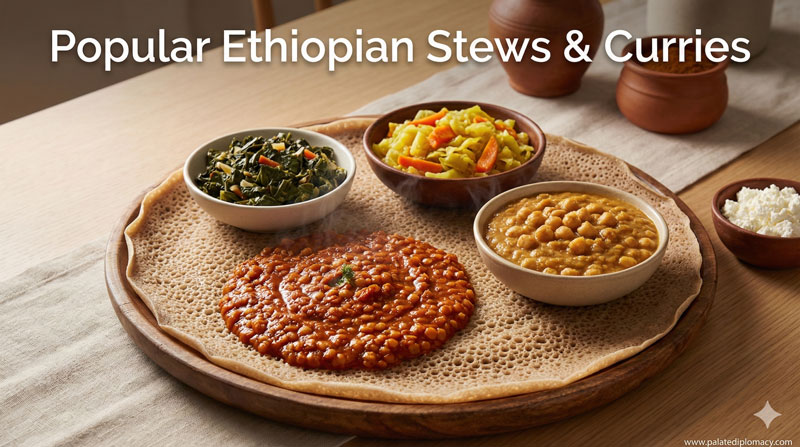
Shiro Wat is typically served with injera, the spongy flatbread that also acts as a utensil. Diners tear a piece of injera and use it to scoop the creamy sauce. The experience emphasizes communal eating and smooth, respectful sharing. The combination of injera and Shiro Wat creates a balanced rhythm of texture and taste on the plate.
Regional Variations and Adaptations
Across Ethiopia, cooks tailor Shiro Wat with regional spices, levels of heat, or the use of clarified butter versus oil. Some kitchens fold in a touch of tomato for color, while others keep a streamlined, earthy profile. Each local touch preserves the core idea: a comforting, savory stew built on chickpea flour.
Shiro Wat in Modern Ethiopian Cuisine
In contemporary kitchens, Shiro Wat shines as a versatile, plant-based ambassador of Ethiopian flavor. Chefs in homes and restaurants celebrate its creamy texture and clean ingredients. The dish adapts to seasonal ingredients, while retaining its timeless appeal as a staple of Ethiopian food culture.
Conclusion
The Story of Shiro Wat is a celebration of simple ingredients transformed through careful technique. It embodies the warmth of home cooking and the joy of sharing a pot with others. In every bite, Shiro Wat reveals the beauty of Ethiopian food and its enduring cultural value.