
Introduction: A Dish That Mirrors a Culture
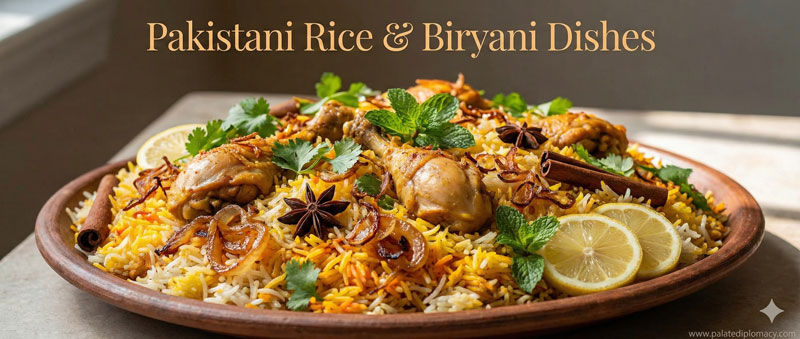
Sindhi Biryani is more than a flavorful rice dish. It is A Window into Pakistani Food Culture, showing how family, season, and skilled technique come together at the table. This biryani blends fragrant basmati rice with tender meat, potatoes, and a bright balance of spices. The result is a meal that invites conversation, memory, and a shared sense of welcome. In many homes, preparing Sindhi Biryani is a deliberate act of care, a way to honor guests and celebrate daily life.
The Craft Behind the Flavor: Technique and Texture
The beauty of Sindhi Biryani lies in its method as much as in its taste. First, chefs marinate meat with yogurt, garlic, ginger, and a careful mix of spices. Then they parboil the rice, so each grain remains light and separate. Finally, they layer the meat curry with the nearly ready rice and seal the pot for dum cooking. This slow, gentle heat blends aromas and soft textures into a harmonious whole. The layering creates two distinct pleasures: the rich, tangy meat curry and the delicate, pillowy rice. The potatoes tucked into some versions add a comforting heartiness that mirrors the warmth of home kitchens.
A Symphony of Flavors: The Spice Palette
Sindhi Biryani relies on a bright, balanced spice blend. Common notes include cumin, coriander, cloves, cinnamon, and cardamom. A touch of cumin seeds may sizzle in hot oil at the start, releasing fragrance that leads the palate. Node by node, mint and yogurt lend cool contrast, while fried onions bring sweetness and color. A hint of tamarind or khatai adds a gentle tang, brightening the dish without overpowering the meat. Saffron threads or color from turmeric can glaze the rice with a sunrise hue. Green chilies offer a gentle heat that invites another bite rather than overwhelming the senses. This careful choreography of spices reflects a culinary language that Pakistani kitchens speak with pride and care.
The Table as a Stage: Hospitality and Sharing
Food in Pakistani culture often performs as hospitality. Sindhi Biryani embodies that spirit. It is commonly shared at family meals, festive gatherings, and community events. The act of serving the dish, watching everyone take their portion, and balancing the flavors with raita, salad, or crisp fried bread strengthens social bonds. A large biryani banquet becomes a story told through steam and aroma. The table invites conversation, laughter, and appreciation for cooks who have spent hours refining their technique. In this way, Sindhi Biryani acts as a delicious bridge between generations, flavors, and everyday life.
From Sindh to the Senses: Local Ingredients, Global Appeal
Sindh’s soils and markets shape the dish. Basmati rice, onions, garlic, and fresh herbs come together with meat sourced from trusted suppliers. The use of potatoes, when included, reflects a regional preference that adds heartiness and texture. Fresh yogurt, mint, cilantro, and coriander seeds connect the dish to local farming cycles and seasonal abundance. Yet the method and flavors travel beyond borders. The dish resonates with anyone who savors layered cooking and aromatic spice blends. In this way, Sindhi Biryani showcases how local ingredients can become a universal language of taste within Pakistani food culture.
Seasonal Rhythm and Culinary Memory
Timing matters in Sindhi Biryani. In many households, the dish appears at times of celebration, but it remains a staple in weekend cooking as well. The seasonal produce in Sindh influences the spice balance and accompaniments. Summer markets might favor lighter yogurt and mint, while cooler seasons encourage deeper spice notes and richer meat. Over time, families tailor the dish to their memories—from the way potatoes are cut to the exact duration of dum cooking. Those small choices accumulate into a shared culinary memory, a recognizable scent that calls back to home and gatherings.
Sindhi Biryani in Home Kitchens and Local Celebrations
In homes across Pakistan, Sindhi Biryani is prepared with care and patience. The kitchen becomes a place of quiet focus, where steps are followed with respect for tradition and a touch of personal style. For many cooks, the process is a practice of mindfulness: rinsing rice until the water runs clear, layering with intention, and sealing the pot to trap aroma. In festivals, family reunions, or simple weekend meals, the dish strengthens ties and celebrates culinary craft. The result is more than nourishment; it is a ritual of hospitality, a fragrant reminder that good food is a shared joy.
A Respectful Look at Craft and Culture
Sindhi Biryani reflects a culture that values balance, generosity, and craft. The dish teaches technique without sacrificing warmth. It rewards attention to detail—how long to marinate, when to lay the rice, how to seal the pot—as well as a generous spirit that welcomes guests to the table. The result is a dish that communicates care through flavor, texture, and aroma. In this way, Sindhi Biryani serves as a cultural ambassador, presenting Pakistani food culture in a way that is inviting, precise, and deeply human.
Conclusion: A Dish That Glows with Cultural Significance
Sindhi Biryani stands as a bright thread in the tapestry of Pakistani food culture. It blends regional pride with universal appeal, inviting cooks and guests alike to savor layers of meaning—technique, tradition, and togetherness. The dish’s fragrant spice chorus and its comforting heart make it memorable in homes and gatherings Across the country. Above all, Sindhi Biryani celebrates hospitality: a bowl shared with care, a table opened to friends, and a moment of joy created through food. As such, it remains a timeless symbol of how cuisine can reflect community, craft, and the simple beauty of a well-made meal.