
What Makes Sindhi Biryani So Special in Pakistan
What makes Sindhi biryani so special in Pakistan is its warm invitation to share. It arrives at the table with color, steam, and a scent that lifts the mood. It blends simple ingredients with careful craft. The result is a dish that feels both hearty and elegant. It speaks of home, neighborhood kitchens, and joyful gatherings.
A Dish Rooted in Shared Meals
Sindhi biryani is built for togetherness. Families cook it in larger pots so many hands can help. Neighbors often join in, bringing a extra onion or a squeeze of lemon. The dish travels from stove to spread with a sense of welcome. Each bite carries memories of celebrations, feasts, and daily meals that feel festive. This shared nature gives the biryani its true charm.
The Harmony of Aromas and Textures
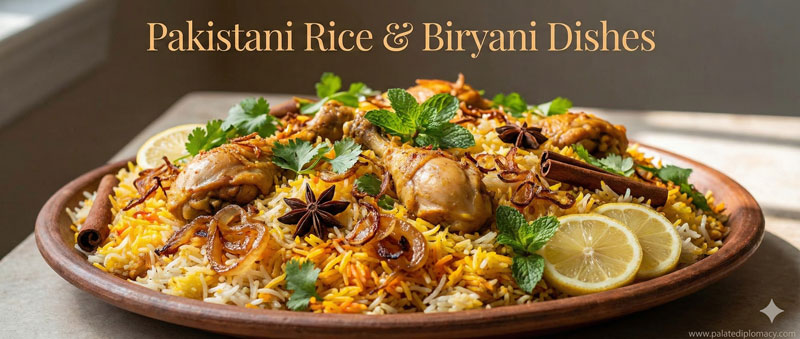
A single whiff tells The Story. Fragrant basmati rice rises with saffron and garam spices. The meat stays tender and juicy, softened by yogurt and tomatoes. Potatoes tucked between layers add a gentle kiss of potato-y sweetness. Fresh mint and cilantro bring brightness. Fried onions add a crisp, sweet crunch. The result is a harmony of aroma and texture that lingers on the palate.
Core Ingredients and How They Shine
Key players include long-grain basmati rice, tender meat (chicken or beef), and potatoes. Yogurt helps keep the meat moist and adds tang. Tomatoes lend a soft acidity. Green chilies provide a gentle heat. Fresh mint and cilantro offer green, herbal notes. A blend of spices—cardamom, cloves, cinnamon, cumin, and bay leaf—gives depth. Saffron or yellow coloring gives a sunny glow. Every ingredient has a purpose, coming together in balance.
The Layering Craft: Pot to Plate
Sindhi biryani is built in layers. Rice forms the crown, while seasoned meat sits below. Potatoes are tucked in for texture and comfort. The top layer is finished with fried onions and fresh herbs. This layering creates contrasts in every spoonful: soft meat, fluffy rice, crisp onions, and bright herbs. The final touch is gentle steam, which blends flavors without rushing them.
Cooking Technique: Fire, Steam, and Patience
The cooking method is quiet and attentive. The pot is sealed to trap steam and aromas. The biryani cooks on a gentle flame, allowing the layers to mingle. This dum-style cooking requires patience, but the payoff is clear in the final aroma and texture. When opened, a cloud of fragrance invites the senses to linger.
Regional Touches Across Sindh
Across Sindh, cooks bring small variations. Some prefer more potatoes, others favor a touch of tamarind for brightness. Fresh cilantro and mint are common across regions, but the balance of heat and tang shifts with family preference and seasonal produce. This flexibility lets each kitchen make a biryani that feels truly local, yet warmly familiar.
Serving Traditions and Gathering Moments
Sindhi biryani is often served with cooling accompaniments. A yogurt-based raita refreshes the palate. A crisp salad or kachumber adds brightness and texture. Lemon wedges brighten each bite. These sides enhance the dish without overpowering it. The result is A Complete, comforting meal that suits any gathering.
The Everyday Celebration: Sindhi Biryani at Home
Many homes prepare Sindhi biryani as a centerpiece for weekend meals. It fits both everyday moments and special occasions. The act of cooking, layering, and sharing becomes part of family tradition. The dish carries expectations of warmth, care, and hospitality.
Gateways to Enjoy: Pairings and Tips
To enjoy fully, serve hot and let the steam rise at the first plate. Pair with a cool yogurt dish, a crisp salad, and a squeeze of lemon. Sip water or a light spiced tea alongside. For best results at home, rinse rice well, layer carefully, and steam slowly. A pinch of saffron dissolved in warm milk can heighten the color and scent.
Conclusion: A Flavorful Cultural Jewel
Sindhi biryani stands out for its cultural value and culinary significance. It is a celebration of community, careful technique, and balanced flavors. The dish invites sharing, warmth, and respect for tradition. In every pot, it preserves a lovely corner of Food Culture and invites everyone to taste it with heart.