
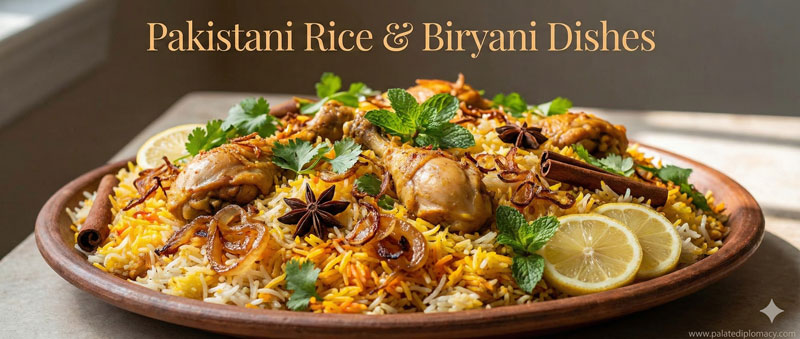
What Makes Sindhi Biryani So Special in Pakistan is more than a recipe. It is a living thread that ties families, kitchens, and communities together. In Pakistan, this dish carries a quiet dignity. It speaks of hospitality, careful craft, and a love of textures and aromas that linger in memory. The following notes invite you to savor not just the flavors, but the cultural value and culinary significance that make Sindhi Biryani a beloved staple in many homes and gatherings.
A Dish That Brings People Together
Sindhi biryani arrives on the table as a sign of welcome. It appears at family meals, festive occasions, and weekend gatherings. The act of sharing a large handi of biryani creates a sense of belonging. People gather around the pot, lift their portions with care, and smile as the steam carries the scent of spices through the room. In this way, the dish becomes a bridge between generations, inviting elders and younger cooks to exchange tips, stories, and memories. The social ritual around Sindhi biryani is as important as the flavors themselves.
The Craft: Layering Rice and Meat
The heart of Sindhi biryani lies in its careful layering. Cooks parboil long-grain basmati rice to the right balance of firmness and fluff. They marinate meat with yogurt and a blend of spices, then brown onions to a deep, sweet fry. Potatoes often join the layers, offering a comforting counterpoint to the meat. The layered pot is then sealed and cooked slowly—traditionally on a low flame—so the steam mingles and the ingredients absorb one another. This “dum” method creates depth, where the aroma travels upward and lingers long after the first serving. The technique honors years of kitchen practice and the patience of the cook, making each bite a testament to refinement and care.
The Aromatic Symphony
Aromatic balance distinguishes Sindhi biryani from other regional styles. Expect the perfume of saffron, cardamom, cumin, cloves, cinnamon, and bay leaves. Fresh coriander and mint brighten the top layers, while fried onions add sweetness and texture. Green chilies bring a gentle heat that lifts the palate without overpowering it. The result is a symphony of aroma and flavor: floral, earthy, bright, and warm all at once. This complexity invites sipping and savoring, rather than rushing through a single taste. The aroma itself becomes a guide to what you will experience in the bowl.
Regional Tastes Within Sindh
Sindh is a land of rivers, plains, and bustling markets, and these varied landscapes give birth to subtle differences in biryani styles. In some cities, cooks emphasize the balance between meat and potato, while others highlight a brimming pile of fried onions atop the dish. The use of spices may lean toward earthier notes in one kitchen and toward a more delicate bouquet in another. Across Sindh, the dish remains recognizable, yet each village or family adds its own touch—whether a particular mix of herbs, a preferred grind of spices, or a specific method to finish with saffron milk. This diversity speaks to the region’s culinary generosity and its belief that a good biryani should reflect the maker as well as the moment.
Serving Traditions and Everyday Joy
Sindhi biryani shines when it is shared with sides that complement its flavors. Cool yogurt-based raita tempering heat, crisp salads, and tangy pickles create a bright balance that refreshes the palate. A squeeze of lemon at the table brightens the dish, while fresh herbs add a final note of green and fragrance. In many households, biryani arrives with a simple, respectful presentation: the handi is carried to the table, the steam briefly escapes, and everyone serves themselves with gratitude. This ritual underlines a social principle of hospitality and mindfulness—two ideas that sit at the core of Sindhi culinary culture.
The Cultural Significance in Modern Pakistani Kitchens
In modern kitchens across Pakistan, Sindhi biryani continues to be a touchstone of tradition and craft. Home cooks pass down family secrets, such as the timing of the onion fry, the soak time for the rice, or the exact spice blend that defines a grandmother’s version. At the same time, cooks innovate with fresh produce, different cuts of meat, or variations that suit a contemporary palate. The dish adapts while preserving its essential identity: a meal that honors discipline in preparation, joy in sharing, and respect for the ingredients that travel from farm to table. Sindhi biryani is not only a recipe; it is a living expression of cultural memory and everyday pride.
Ingredients as Cultural Symbols
Several ingredients carry cultural symbolism in Sindhi biryani. Basmati rice represents grace and lightness; its long grains stand for patience and care. Yogurt in the marinade symbolizes tenderness and balance, helping the meat stay moist and gentle. Saffron threads, though used sparingly, symbolize luxury and fragrance, turning the dish into a refined experience. Fresh herbs—mint and coriander—signal vitality and renewal. Each component plays a role in a larger storytelling of taste, season, and place, making the dish a narrative in food form.
A Gentle Guide to Appreciation
To truly appreciate Sindhi biryani, approach the bowl with attention rather than haste. First, notice the aroma as you lift the lid. Next, observe the rice grains—should be separated and delicate, not clumped. Then, taste a bite that includes meat, rice, and a touch of onion. Finally, savor the interplay of cool raita or a crisp salad with the heat of the biryani. This sequence helps you experience the dish as a coordinated whole rather than as separate elements. Sharing such a meal invites connection, curiosity, and gratitude for the craft behind it.
A Bright, Welcoming Conclusion
What makes Sindhi biryani so special in Pakistan is not only its flavor, but the way it gathers people around a table. The dish embodies hospitality, artistry, and a sense of place. It honors the land—its spices, its farmers, and its kitchens—while inviting new cooks to participate in a timeless ritual. If you seek a meal that is comforting, vibrant, and deeply rooted in culture, Sindhi biryani offers a rich, respectful experience that speaks to the heart of Pakistani food culture. In every bite, you can sense the care, the conversation, and the shared joy that define this cherished dish.