
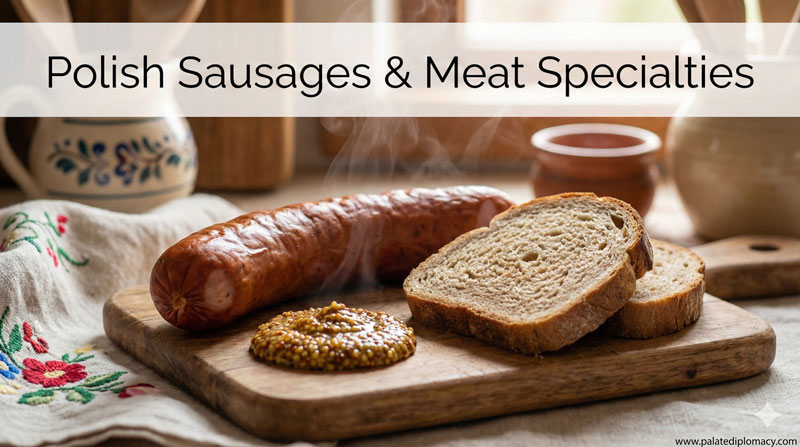
Introduction: The Rise of Smoked Polish Ham in Modern Polish Food Culture
Smoked Polish ham holds a special place in today’s tables. It marks a shift toward expressive regional flavors and careful craft. The rise is a story of simple ingredients meeting patient technique. in Modern Polish food culture, smoked ham earns attention for its warmth, aroma, and the sense of home it brings to meals. This post explores its cultural value and culinary significance, and why it resonates with cooks and families alike.
Craft and Smoking: A Conversation Between Tradition and Technique
The journey from raw pork to fragrant ham begins with attentive curing and smoking. Salt, a touch of sugar, and gentle spices set the stage. Then the meat rests, absorbing flavors and moisture. Finally, smoke completes the transformation. Wood choices matter: beech and maple add sweetness; oak and fruit woods offer depth. The resulting texture balances tenderness with a subtle snap at the edge. This craft invites cooks to slow down and savor each step. As a result, the dish carries a narrative of patience and care that audiences recognize and value.
Cultural Value: A Centerpiece of Polish Tables
Smoked ham is more than a flavor; it is a signal of hospitality. It appears on breakfast spreads, sliced thin for bread and butter. It features in family lunches and festive dinners alike. Its presence suggests a relationship with food that honors the day’s rhythms. The aroma travels from kitchen to dining room and sparks conversations about origins and methods. In this way, smoked ham acts as a bridge between generations, inviting shared stories at the table.
Regional Varieties: A Tapestry of Local Voices
Across Poland, regional styles color the smoked ham tradition. Some areas favor a firmer texture with crisp edges; others prefer a juicier bite with a deeper smoke tone. Local herbs and mineral late-season influences leave distinct signatures. These variations celebrate local terroir and the craftspeople who shape it. The result is a mosaic of flavors that reflect place, season, and skill. This variety strengthens pride in regional foods while inviting curious diners to explore.
Everyday and Special Occasions: The Social Role of Ham
On ordinary days, smoked ham brightens a quick lunch or a hearty sandwich. It adds elegance to a simple plate, lifting everyday meals. In more celebratory settings, it stands beside cheeses, pickles, and fresh bread as a centerpiece. Its versatility supports both casual gatherings and more formal dinners. People appreciate that a modest slice can carry complexity. Hence, smoked ham helps define How Polish households connect with food across moments large and small.
Culinary Significance: Flavor, Texture, and Versatility
The flavor profile of smoked ham blends sweetness, salt, and gentle smoke, with nuanced hints from spices. The texture offers tenderness balanced by a light chew, which makes it engaging in many dishes. It pairs well with rye bread, sharp mustard, and creamy cheeses. It also shines in warm soups, hearty salads, and savory pastries. The versatility makes it a reliable ally in the kitchen, encouraging cooks to experiment while staying grounded in tradition. In this way, smoked ham supports both everyday cuisine and inventive menus.
Market and Media Influence: From Butcher Shops to Digital Shelves
Today’s producers highlight craftsmanship, traceability, and sustainable practices. Local butcher shops and small smokehouses showcase their methods with pride. Farmers markets offer fresh options and direct access to makers. In restaurants and online shops, smoked ham appears in classic preparations and contemporary twists. The broad availability helps more people experience the dish’s charm. This accessibility fuels ongoing appreciation and conversation about Polish flavors.
How to Enjoy: Pairings and Preparation Tips
Serve smoked Polish ham with sturdy bread or crusty rolls. Add a wipe of herb butter or a touch of grainy mustard for contrast. Include pickled vegetables for brightness and crunch. A light salad with apples or pears can echo the sweetness in the meat. For a warm twist, fold slices into soups or grain bowls near the end of cooking. The goal is to let the ham’s character shine while harmonizing textures and tones on the plate.
The Future of Smoked Polish Ham: Innovation with Respect
Looking ahead, producers explore new wood nuances, spice blends, and curing approaches. The aim is to preserve the dish’s soul while inviting fresh sensations. Innovations may include paired glazes, lighter smoking, or cured variants that emphasize lean qualities. Yet the essence remains: a humble ingredient elevated by care and pattern of use. This balance between originality and heritage keeps smoked Polish ham vital in modern Polish Cuisine.
Conclusion: A Timeless Favorite in Modern Polish Cuisine
Smoked Polish ham embodies warmth, craft, and social connection. It invites cooks to honor tradition while welcoming new ideas. The dish stands as a steady thread in Polish food culture, weaving together regional pride, everyday joy, and culinary curiosity. By celebrating its cultural value and culinary significance, we honor a favorite that continues to enrich meals and conversations alike.