
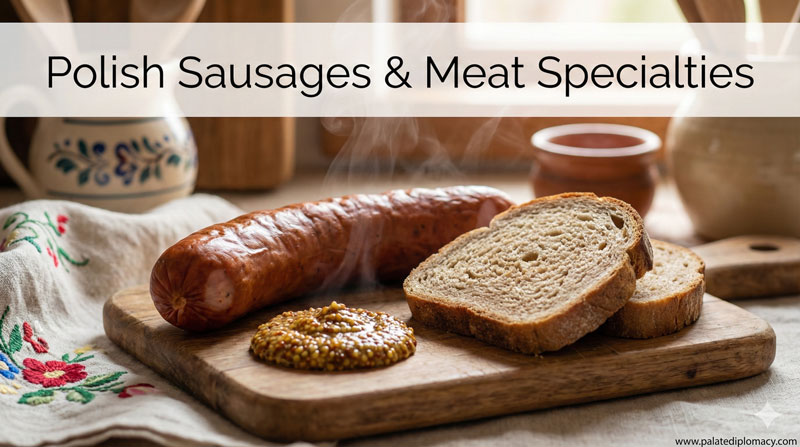
What Makes Smoked Polish Ham So Popular in Polish Cuisine
Smoked Polish ham holds a special place in Polish Cuisine. It is more than a slice of meat; it is a quiet celebration of craft, patience, and sharing. In every bite, you taste a tradition of careful curing, thoughtful smoke, and everyday meals that bring people together. This dish shows how simple ingredients can become a cherished part of a culture’s table.
The Craft Behind the Smoke
The popularity of smoked Polish ham begins with careful selection and handling. Butchers seek a balance between tenderness and structure, aiming for meat that remains juicy after slicing. Curing is the first act. Pork hind leg is typically cured with a blend of salt, sugar, and spices. Garlic, pepper, marjoram, and a hint of coriander are common companions, chosen to enhance the meat rather than overwhelm it. The cure rests in the cool air of the kitchen or a dedicated curing chamber, often for several days. This slow process builds flavor while preserving the meat’s natural moisture.
Next comes the smoking. Traditional Polish methods favor beech or alder woods, which give a mellow, clean aroma that lingers on the palate. The smoke is applied slowly, at modest temperatures, allowing the ham to absorb depth without becoming harsh or dry. After smoking, the ham may air-dry for a period, letting its surface set into a thin, flavorful rind. The result is a well-balanced ham that slices neatly and keeps several days in the refrigerator when stored properly.
Flavor, Texture, and Aroma
Smoked Polish ham offers a harmonious blend of taste and texture. The exterior carries a gentle smokiness, while the inside remains tender and moist. The salt and spice mix creates a confident, savory backbone, with subtle sweetness from the curing sugar. When thinly sliced, the ham reveals a rosy color and a fine, even texture. The aroma is warm and inviting, with hints of wood smoke and pepper that gently invite the senses to the meal ahead. This combination makes the ham versatile: it can enrich a simple bread snack or elevate a more formal platter.
Regional Flavors and Names
Across Poland, you will find regional nuances in smoked ham. Some areas emphasize a longer smoking period for a deeper aroma, while others favor a lighter touch to preserve more of the meat’s natural sweetness. The term “wędzona szynka” is commonly used, though local dialects may offer small variations in naming. These differences celebrate local farms, available pig breeds, and small-scale butchery traditions. No matter the variation, the core idea remains: a well-cured, well-smoked ham that honors the meat and the craft of the smoker.
Serving Traditions and Pairings
Serving smoked Polish ham is a study in balance and simplicity. Slice it thin and lay it on rye bread or crusty white bread for a quick, satisfying meal. A touch of sharp horseradish or a dollop of sweet mustard heightens the contrast between savory ham and bright condiments. Pickles, fresh onions, and mild cheeses add freshness and texture, creating a well-rounded plate.
The ham also shines in more crafted dishes. It can accompany hearty soups, especially clear broths, or be folded into stews for extra depth. In salads, thin ribbons of ham bring a smoky brightness that pairs well with apples, beets, or earthy root vegetables. The versatility makes smoked Polish ham a friendly presence in both everyday meals and more festive spreads.
The Social Fabric Around Smoked Ham
Smoked ham is often connected to shared moments. In markets, you may see a thin slice placed between tight rolls, traded for a friendly nod or a smile. At family gatherings, a plate of sliced ham signals hospitality and care. The dish invites conversation—about recipes, memories of a grandmother’s kitchen, or the best way to slice the meat for a particular occasion. This companionship around food is a quiet thread that runs through Polish cooking, and smoked ham is a familiar, comforting thread in that fabric.
Preservation, Accessibility, and Everyday Use
In many homes, the appeal of smoked Polish ham lies in its practicality. Proper curing and smoking extend the life of pork without relying on heavy preservatives, while the flavor remains bright and inviting. Refrigeration keeps the ham fresh for several days, and freezing is an option for longer storage. Slices can be re-warmed gently or enjoyed straight from the fridge, making it a reliable choice for busy days or leisurely weekends alike.
A Gentle Toast to Polish Culinary Beauty
What makes smoked Polish ham So Popular in Polish cuisine is not a single trait but a blend of care, flavor, and shared experience. It reflects a long-standing devotion to craftsmanship, the joy of gathering around a table, and the pleasure of simple, well-made food. The dish invites cooks to respect the meat, to honor local ingredients, and to greet friends and family with a welcoming plate. In every kitchen, from small family homes to local markets, smoked ham remains a quiet celebration of Polish culinary artistry.
Conclusion
Smoked Polish ham embodies the beauty of Polish food culture: a careful balance of curing, smoking, and savoring. It stands as a dependable anchor on the table, ready to be shared in everyday meals and special moments alike. By honoring the craft, embracing regional variations, and inviting others to taste, this ham continues to hold a warm, enduring place in Polish cuisine.