
How Smoked Salmon Became Popular in Nordic Cuisine
Smoked salmon sits at the crossroads of sea and smoke in Nordic cooking. It blends ocean freshness with warm, aromatic smoke. This post explores how the dish rose to a beloved cultural staple, valued for flavor, craft, and shared meals. By looking at its journey, we see why this preparation feels essential on Nordic tables today.
The Nordic Bond with Salmon
The Nordic coastlines offer salmon in abundance. In clear waters, salmon grows robust and flavorful. Communities learned simple preservation methods that kept fish usable through cold winters. These techniques extended the life of salt-cured fish and prepared meat for smoke. Over time, the familiar scent and Taste of salmon became a quiet, trusted signal of home. The fish links the sea to the kitchen, season to table, in a way that is approachable for families and guests alike.
The Craft of Smoking
Smoking emerged as a practical art that refined the salmon’s character. Cures with salt and sugar set the stage, while gentle smoke from birch, alder, or fruit woods adds a soft, nuanced aroma. The process is patient and intimate, often shared across generations. Heat is careful and light, preserving moisture and the fish’s natural richness. The result is a balance: a delicate salt lift, a whisper of sweetness, and a clean smoke finish that lingers pleasantly.
From Market to Table: An Everyday Favorite
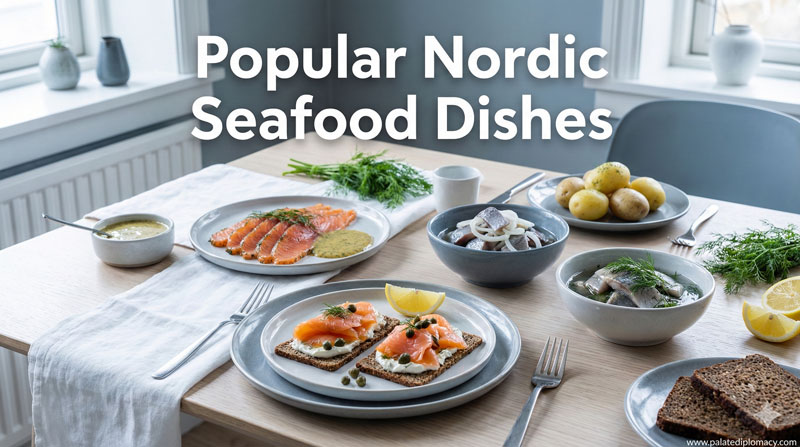
Smoked salmon moved from smokehouses to markets and into homes. It Became a quick, nourishing addition to breakfast and lunch. Classic pairings include rye bread, a dollop of soft cream cheese, and fresh dill. Open-faced sandwiches, or smørrebrød variants, showcase salmon with color and contrast. On a social table, a platter of smoked salmon signals hospitality and care, inviting others to sample and savor together.
Flavor, Texture, and Balance
Texture plays a central role in the appeal. The fish feels silky and tender, with a light, fatty body that melts smoothly. Salt provides structure, while smoke adds warmth and depth. Fresh lemon, herbs, and crisp vegetables brighten the plate without overpowering the salmon’s intrinsic character. This harmony makes smoked salmon versatile—perfect for a simple weekday meal or a standout element at a festive spread.
Pairings That Define the Dish
Beyond dill and lemon, Nordic meals embrace a few reliable companions. Cream cheese or a soft unripened cheese spread gently cushions the salmon’s richness. Rye bread offers a sturdy, flavorful base that supports generous slices. Thin cucumber rounds, capers, or a touch of horseradish can add brightness and a subtle kick. Together, these elements accentuate the salmon’s silkiness while preserving its gentle, fish-forward profile.
Modern Nordic Expressions
Contemporary Nordic chefs celebrate tradition while inviting new ideas. They experiment with different woods, herbs, and light marinades to highlight the salmon’s sweetness and texture. Local and seasonal sourcing guides decisions about when and how to smoke. Plating often emphasizes clean lines and natural tones, allowing the salmon to shine. In all these expressions, the core value remains clear: a dish born of sea, craft, and community.
A Dish That Celebrates Place, Skill, and People
Smoked salmon embodies a quiet elegance that resonates with Nordic food culture. It honors the sea’s bounty, respects time-honored techniques, and invites people to gather. The beauty of the dish lies not only in its flavor but in its role as a bridge between daily meals and shared occasions. By honoring the salmon with care, families and kitchens pass along a story of place, skill, and hospitality.
Conclusion: Sea, Smoke, and Shared Tables
The popularity of smoked salmon in Nordic cuisine reveals a culture that values sea-sourced ingredients, thoughtful technique, and welcoming meals. It is a dish that invites slower preparation, attentive tasting, and generous sharing. In every slice, there is a memory of coastlines, smoke-filled kitchens, and the simple joy of gathering around food. Through this lens, smoked salmon remains a lively, respectful expression of Nordic culinary identity.