
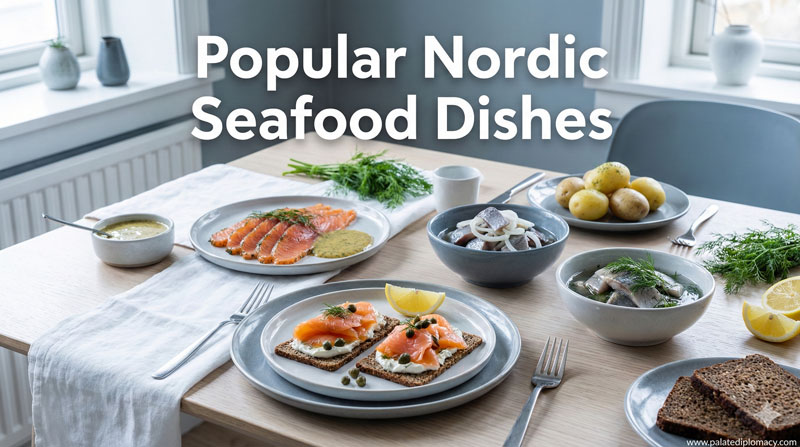
Smoked salmon has long held a place of quiet pride in Nordic kitchens. It travels from sea to table with a story of craft, patience, and shared meals. This post explores how the dish became popular, focusing on cultural value and culinary significance. We look at the smoke, the cure, the gatherings, and the everyday rituals that keep it central to Nordic Food Culture.
The Nordic Palette: Flavor and Technique
Nordic cooks prize clarity of taste and balance. Smoked salmon offers a gentle, buttery texture that melts on the tongue. Cold smoking lets the fish take on smoke perfume without heavy heat, keeping the natural richness intact. Cures with salt, sugar, and dill bring a radiant freshness that pairs brilliantly with rye bread, cream cheese, or a squeeze of lemon. This harmony, simple but precise, reflects a broader Nordic instinct: highlight the ingredients’ season and origin. Today’s plates celebrate that same honesty, while inviting subtle twists like citrus zest or juniper to brighten the profile.
Preservation as Craft
Preservation has always shaped seaside kitchens. Curing and smoking turned a seasonal catch into a steady presence on the table. Gravlax, a beloved cousin of smoked salmon, uses salt, sugar, and dill to draw out moisture and enchant the scent of herbs. The process teaches patience and timing, two hallmarks of Nordic cooking. As smoke curls above a clean kitchen, cooks read the salmon’s color, scent, and texture to know when it is ready. The result is a product that feels both intimate and artisanal—crafted in small batches, shared at gatherings, and savored slowly.
Food, Family, and Tables
In Nordic homes, smoked salmon is a common guest at meals that feel like rituals. Breakfast tables greet guests with a velvet slice of fish, cream cheese, cucumber, and soft bread. Lunch offers an inviting open-faced sandwich that turns a simple bite into a social moment. Evening gatherings often feature a platter that balances salmon with green herbs, tangy pickles, and warm breads. The dish invites conversation, pacing meals with bites that let neighbors notice one another’s smiles. In this way, the dish becomes more than food; it becomes a language of hospitality and care.
Modern Expressions and Chefs at Work
Chefs honor tradition while inviting fresh perspectives. Modern plates may pair smoked salmon with citrus oil, peppery arugula, or micro herbs to illuminate the fish’s clean flavor. Home cooks experiment with different woods for smoking, discovering subtle shifts in aroma and depth. Yet the core idea remains: how smoke and cure elevate the salmon’s own character. This ongoing dialogue between old method and new imagination keeps the dish lively while preserving its essence. The result is a steady bridge between generations and a steady pride in craft.
Pairings, Platings, and Rituals
The beauty of smoked salmon lies in its versatility. On a rustic rye slice, it sings with a touch of dill and lemon. On a delicate cracker, it shines with a thin smear of cream cheese and cucumber ribbons. At larger gatherings, a centerpiece platter becomes a focal point for sharing and conversation. Plating choices—color, texture, and balance—reflect a Nordic love of order and restraint. The ritual of serving, slicing, and passing the dish around the table reinforces community and appreciation for skilled hands at work.
A Sustainable Practice and Seasonal Rhythm
Seasonality and stewardship shape how smoked salmon fits Nordic life. Fresh catches peak in clear waters, and smoking or curing seasons follow the calendar, aligning with fishermen’s rhythms and market availability. Sustainable practices enrich the dish’s cultural value, inviting cooks to care for resources and future meals. This respect for nature shows in small choices: the size of the fish, the salt used, and the wood chosen for the smoke. The result is a dish that feels rooted and responsible, a culinary ambassador for a region that values harmony between land, sea, and kitchen.
Smoked salmon in Nordic cuisine stands as a graceful blend of sea-born flavor, craft, and communal joy. It is a dish that travels through households and eateries with ease, yet never loses its sense of place. By honoring texture, aroma, and balance, it continues to teach us how simple methods, repeated with care, can elevate everyday meals into memorable experiences.