
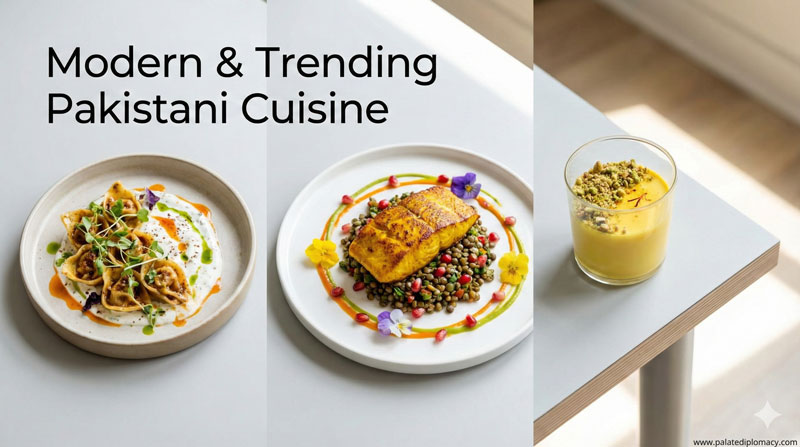
Introducing the Dish: How Street Food Reinvented Reflects Pakistani Food Culture
This dish invites readers to savor a living narrative. It shows how street food evolves while staying true to the heart of Pakistani flavor. The result is a culinary tapestry that celebrates taste, memory, and shared meals. In this post, we explore its cultural value and culinary significance with warmth and clarity.
Cultural Value at the Street Corner
Street corners are where people pause, share, and connect. The dish How Street Food Reinvented Reflects Pakistani Food Culture centers on these shared moments. Vendors welcome regulars, families, students, and workers with a quick hello and a familiar aroma. The scene is welcoming and warm, a daily ritual that anchors many days. Food here becomes more than sustenance; it becomes a way to tell stories through aroma, texture, and color. The dish highlights how community thrives on small gatherings, simple conversations, and the pleasure of tasting together. It honors the social role of street stalls as places where neighbors meet, exchange tips, and discover new flavors without ceremony. In this way, the dish mirrors a broader value: care shown through hospitality, generosity, and the joy of discovery at a humble counter.
Culinary Significance: Techniques, Flavors, and Fresh Ideas
The culinary core of the dish lies in balance and technique. Street cooks blend spice, heat, sweetness, and acidity to create a chorus of flavors in every bite. The repertoire includes sizzling kebabs on a hot tawa, soft pastries filled with fragrant fillings, crunchy chaat with zesty chutneys, and cooling yogurts that tame heat. The reinvention comes through thoughtful changes in technique and presentation while honoring tradition. Fresh ingredients—herbs, greens, citrus zest, seasonal fruits—spark new ideas without losing the soul of the dish. The dish emphasizes texture as much as taste: the crunch of fried bits, the tenderness of grilled meat, the creaminess of sauces, and the lift of bright herbs. It also celebrates aroma as a guide—smoke from the tandoor, the perfume of garam masala, and the tang of tamarind or pomegranate molasses. Together, these elements show how Pakistani street food remains dynamic and expressive, always ready to welcome new influences while preserving its character.
Signature Reinventions: Dishes Reimagined
- A chaat that plays with seasonal fruits and a citrus-chili dressing, adding brightness without losing its mishti-sweet balance.
- Bun kebab variants that pair toasted buns with slow-cooked meats and a chorus of house-made chutneys.
- Samosa street bites reimagined with novel fillings, crisp edges, and a dip of fresh yogurt mint.
- Tawa-based specialties that fuse classic spices with local herbs and a modern plating touch.
- Kulfi-inspired desserts served as bite-sized bars with saffron and pistachio, offering a cool finish to a lively meal.
- Vegetarian and vegan adaptations that use roasted vegetables, tangy tamarind, and nut-based sauces to keep depth and satisfaction.
These reinventions honor the craft, celebrate seasonal produce, and invite more people to delight in street flavors. The result is a menu of stories—each bite hints at memory, technique, and the joy of shared discovery.
Social Spaces and Food Rituals
The dish thrives where people come together: near markets, by bus stops, or along busy lanes after work. The rhythm of the day—morning chai, afternoon snacks, evening treats—shapes the flavor choices and pacing. The dish encourages conversation: a kettle of tea, a quick exchange of recipe notes, a smile shared over a plate. This social texture matters because it turns eating into an event that is both personal and communal. The rituals are simple yet meaningful: a finger-lick of spice, a wipe of sauce with a napkin, a nod of appreciation to the cook. In these moments, food becomes a bridge between generations, a way to pass down preferences and techniques with warmth and humor.
Home Appreciation: How to Recreate the Experience
- Choose a centerpiece: select a dish from the reinvention concept, such as a bun-kebab plate with a trio of chutneys.
- Build the flavors: prepare a bright chutney, a cooling yogurt sauce, and a tangy tamarind or lemon-based dip.
- Play with textures: include a crisp element (fried bits or fried bread) and a soft element (succulent meat or creamy yogurt).
- Bring in color and aroma: fresh herbs, sliced citrus zest, and a touch of saffron or chaat masala.
- Keep it approachable: present small portions that invite sharing, mimicking the street stall experience at home.
- Embrace the pace: enjoy the meal over conversation, letting the flavors unfold with each bite.
These steps help recreate the warmth and vibrancy of street dining while keeping the focus on quality, balance, and accessibility. The dish becomes a gentle invitation to explore a culture through everyday meals.
A Living Tradition: Why the Dish Matters
How Street Food Reinvented Reflects Pakistani Food Culture captures more than taste. It reflects a love for craft, fresh ingredients, and thoughtful innovation. It shows how cooks honor tradition while inviting new ideas. It celebrates smiles shared over a plate, the artistry of spice blends, and the care given to presentation as much as flavor. The dish stands as a portrait of culinary curiosity and communal joy. It invites travelers and locals alike to notice the beauty in a simple street bite and to appreciate the way a city’s flavors evolve with time. In this light, the dish becomes a gentle ambassador of cuisine—clear, inviting, and rich with meaning.
If you seek a culinary moment that feels both timeless and fresh, this dish offers a delicious doorway. It invites you to taste culture as a living practice—one that thrives on shared meals, careful technique, and the pleasure of discovery.