
Why Sweet Injera Rolls Is One of Ethiopia’s Most Loved Dishes
Sweet injera rolls brighten tables with warmth and care. The dish blends culture, craft, and shared delight. It invites conversation, and it invites all at the table to taste the heart of Ethiopian hospitality. This post explores the cultural value and culinary significance of these rolls, highlighting why they stand among Ethiopia’s cherished dishes.
The Heart of Injera: Teff, Fermentation, and a Shared Table
Injera is more than bread. It is the centerpiece of a meal and the plate that carries fragrances, textures, and stories. Made from teff, it carries a gentle tang from fermentation. The batter bubbles for hours, then cooks on a wide clay griddle until it shines with tiny holes. The result is a soft, flexible round that can be torn into pieces and used to scoop stews, dips, and vegetables.
Sweet injera rolls honor this tradition. They start with the same base, but they become a portable bite that travels from the kitchen to the table or the picnic spot. The roll format echoes the social rhythm of Ethiopian meals: sharing, guiding conversations, and enjoying the moment together. The rolls preserve injera’s role as a communal plate while offering a playful twist that friends and family welcome with smiles.
A Sweet Twist that Delights the Senses
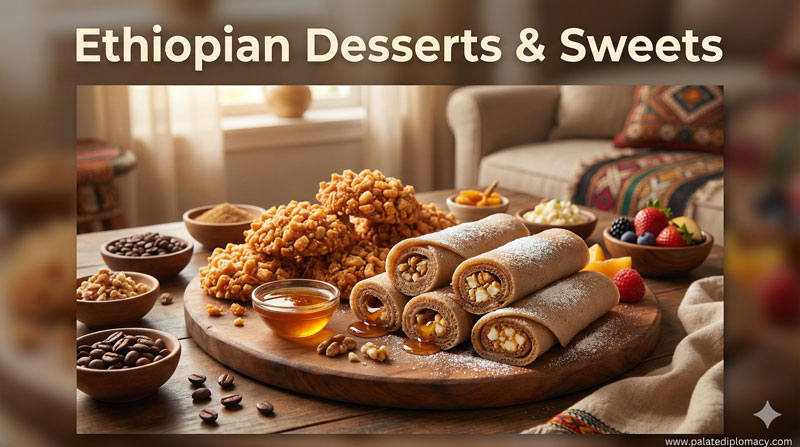
Sweet injera rolls introduce a gentle harmony of flavors. The traditional sour notes from teff meet a soft sweetness from honey, jaggery, or ripened fruits. A cinnamon whisper or a hint of cardamom can lift the aroma without overpowering the injera’s character. Fillings often include ripe fruit, crushed nuts, sesame seeds, or a light spread of yogurt or nut butter. The filling is tucked inside a thin sheet of injera, then rolled into a finger-friendly bite.
This approach honors Ethiopian culinary principles: balance, simplicity, and the way ingredients sing when they’re allowed to shine. The sweetness is not heavy; it is a bright note that compliments savory stews and tangy dips served nearby. The rolls become a versatile treat that can close a meal, accompany tea or coffee, or accompany a small plate of snacks during a gathering.
Crafting the Roll: Technique and Care
Chefs and home cooks approach the roll with calm focus. First, they prepare a pliable sheet of injera as the wrapper. They add a line of filling and gently roll it tight. A careful touch ensures the roll holds its shape without tearing. The result is a neat cylinder that reveals the colors and textures inside with each bite.
The technique highlights a deeper craft: making injera itself. Fermentation wheels in the batter, then a slow, even cook on the griddle. The maker watches for the small holes and the soft edges. The patience behind this step shows in every bite, whether the roll is served as a snack or part of a larger spread. The process teaches attention, respect for ingredients, and pride in the finished dish.
Cultural Significance: Hospitality, Family, and Shared Food
Hospitality anchors Ethiopian culture, and injera plays a central role. A meal may begin with prayers or a moment of welcome, but it truly starts when people gather around the table. The act of sharing injera fosters connection. When a family or group prepares sweet injera rolls, they bring together generations—grandparents passing down tips on rolling, parents guiding younger hands, and children learning to combine flavors thoughtfully.
Gursha, the gentle feeding gesture, is a fond part of the dining experience. Offering a bite of food to a loved one expresses care and respect. Sweet injera rolls fit naturally into this custom. They are easy to share, portable, and inviting, making them a perfect invitation for conversation and laughter. The dish embodies kindness, patience, and the joy of giving a small, delicious moment to someone else.
Regional Flair and Seasonal Ingredients
Across regions, cooks adapt the rolls with local influences while keeping the core idea intact. Some prepare thinner injera sheets for finer rolls; others use a touch more sweetness or a different spice note to match seasonal ingredients. Teff remains the heart, but other grains may appear in lighter variants. Regional herbs, fresh fruits, and nuts add subtle differences that keep the dish exciting without losing its soul.
Seasonal fruits and honey bring natural sweetness at just the right time. A crowd-friendly version might feature pitted fruit and a drizzle of honey, while a more festive take might showcase dried fruits, roasted nuts, and a sprinkle of warm spices. Each variation carries the same message: the rolls celebrate abundance, warmth, and a sense of place at the table.
Serving, Pairing, and Etiquette
Serve sweet injera rolls in a relaxed, inviting setting. Pair them with aromatic coffee or a cup of tea to echo the ritual of Ethiopian hospitality. Place rolls on a shared platter where guests can pick one up, admire the filling, and take a bite. When eating, many people use their hands, tearing a small piece of injera and wrapping the bite with it. This tactile experience deepens the sense of belonging and shared enjoyment.
Offer a variety of dips, stews, or fresh fruit on the side so guests can tailor each bite. The goal is harmony: a roll that complements other dishes and invites everyone to savor without hurry. Clean, simple plating and warm lighting help the rolls shine as guests relax into conversation and laughter.
A Simple Home Approach: How to Enjoy Sweet Injera Rolls
If you want to explore this dish at Home, start with a basic injera base and a gentle sweet filling. Prepare a thin sheet, add a line of fruit and a light honey drizzle, then roll tightly. Slice the roll into bite-sized pieces for easy sharing. Serve with a few nuts or sesame for texture and a cup of tea or coffee for balance.
The act of making and sharing these rolls can become a small daily ceremony. It offers a chance to slow down, notice the aroma of spices, and appreciate the craft of fermentation. It also invites you to connect with friends or family in a moment of quiet joy and Flavorful discovery.
Final Thoughts: A Dish That Bridges Taste and Tradition
Why Sweet Injera Rolls Are among Ethiopia’s most loved dishes is simple to see. They honor the craft of injera, celebrate the social fabric around meals, and offer a delicious way to experience sweetness with depth. The rolls remind us that food is more than sustenance; it is a language of warmth, care, and communal joy.
If you approach the dish with curiosity and respect, you will find a harmony of textures, aromas, and memories in every bite. Sweet injera rolls invite you to savor not just flavor but the rich culture that gives this dish its enduring charm.