
Why Sweet Injera Rolls Is One of Ethiopia’s Most Loved Dishes
Sweet Injera Rolls invite readers to slow down and savor a moment of Ethiopian hospitality. The dish sits at the intersection of tradition and everyday life. It uses injera, the soft sour flatbread, as a canvas. Then it wraps a touch of sweetness inside, turning a common meal into a small celebration.
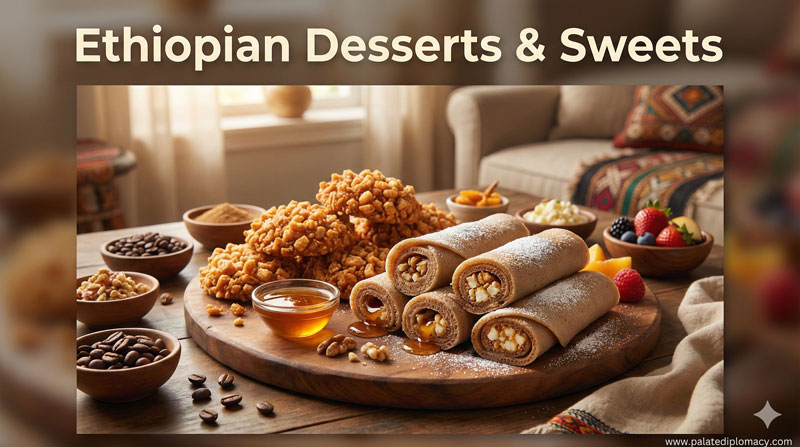
in Ethiopian homes, food is a language of care. When the family gathers, the table is prepared with care. Sweet Injera Rolls become a way to greet guests and to welcome children to try new flavors. The rolls are colorful, with the light tan of injera and the warm glow of honey or fruit filling. The aroma invites curiosity and comfort. This is why the dish endures in homes and cafes alike.
The Craft of Sweet Injera Rolls
Making injera starts with teff flour, water, a pinch of salt, and patience. The batter ferments, creating a tangy aroma. The cook pours a thin layer on a hot griddle, then waits for bubbles and a pale rim. The result is injera with a soft, porous texture.
To turn this into Sweet Injera Rolls, cooks add a sweet filling. Common choices include ripe dates, honey, mashed banana, and a light sprinkling of sesame. The filling is kept modest so the roll stays easy to bite. The roll is formed by layering a thin piece of warm injera over the filling and pressing gently, then rolling to seal. The finished roll rests on a platter, often with sesame seeds sprinkled on top for a subtle crunch. When served, the rolls look inviting and feel tender in the hand.
The technique blends skill and warmth. The roll requires balance: not too tight, not too loose. This balance mirrors the care Ethiopian cooks bring to daily meals. The result is a dish that tastes both familiar and new.
Cultural Rhythm and Hospitality
Every bite of Sweet Injera Rolls echoes Ethiopian hospitality. The dish invites sharing, conversation, and a sense of welcome. Families make the rolls together during gatherings or weekend afternoons. Elders tell stories while younger hands help with rolling, counting, and tasting. The act of assembling and presenting the rolls becomes a small ritual that strengthens family bonds.
In many cafes and markets, the rolls are offered as a light dessert or a sweet snack. They pair well with the aroma of roasted coffee, another beloved Ethiopian tradition. The setting matters: a warm wooden table, soft daylight, and the gentle bustle of daily life. The dish adapts to the moment, from a quiet home meal to a bright café scene. Yet the essence remains the same: this is food meant for connection.
The colors and textures reinforce culture too. The light tan of injera, the glossy shine of honey, the specks of sesame—these details tell a story of careful preparation and generous hospitality. The scene feels graceful, inviting readers to slow down and savor.
Culinary Significance: Flavor, Texture, and Techniques
Sweet Injera Rolls showcase a balance of contrasts. The teff-based injera lends a soft, airy bite with a slight tang. The sweet filling adds warmth and depth. When combined, they create a harmony that is both comforting and sophisticated.
Cooks control texture by choosing fillings with different moisture levels. A sticky date paste, a spread of honey, or a whipped fruit puree can all work. The outer layer of injera provides a gentle, pliable wrap that holds the filling without tearing. Sesame seeds or a light dusting of sugar add a delicate crunch and a hint of aroma.
The dish also highlights ingredient seasonality. Fresh honey or ripe fruits bring brighter flavors. Teff, with its nutty notes, anchors the roll. The result is a bite that lingers, inviting another.
This dish is a study in tradition meeting technique. It respects simple methods while offering room for creativity. The approach invites cooks to adjust sweetness, balance acidity, and explore complementary textures. The outcome is a timeless form of warmth that still feels fresh.
Serving Traditions and Pairings
Sweet Injera Rolls thrive on presentation and timing. Serve them warm to preserve the softness of the injera and the sheen of the filling. Place them on a wooden or ceramic platter, finished with a light dusting of sesame. They pair beautifully with coffee or spiced tea, making them ideal for afternoon gatherings or after-meal moments.
The rolls also adapt to different occasions. For a simple family moment, they appear as a quick treat after school. For celebrations, they become a centerpiece in a dessert spread. Either way, guests are invited to pick up a roll, bite through the tender interior, and share a smile. The act of passing the plate and offering another roll reinforces a sense of care and community.
In everyday life, Sweet Injera Rolls can accompany fruit salads, yogurt, or lightly salted nuts. This versatility helps the dish stay at Home in homes and cafés alike. The result is a flexible, friendly dish that grows with the day.
Final Thoughts
Sweet Injera Rolls celebrate a sense of place, craft, and care. They honor the grain, the fermentation, and the gentle sweetness that makes Ethiopian Cuisine beloved. By weaving together texture, aroma, and social warmth, the dish becomes more than food: it becomes a small ceremony of togetherness.
If you have a chance to try Sweet Injera Rolls, notice how the flavors meet at the center of the bite. Observe the contrast between the soft injera and the sweet filling. Appreciate how a simple roll can carry memory, hospitality, and everyday joy. In this way, the dish stands as one of Ethiopia’s most loved, not only for taste but for the culture it carries in every fold and layer.