
Exploring the Delicious World of Brazilian and Venezuelan Dishes
Food is a powerful way to experience a culture’s rich history, vibrant traditions, and unique flavors. Among Latin American cuisines, Brazilian and Venezuelan dishes stand out for their distinctive ingredients, preparation styles, and cultural significance. While both countries share geographic proximity, their culinary identities showcase diverse influences and local tastes that make their dishes truly special.
The Cultural Significance of Brazilian Cuisine
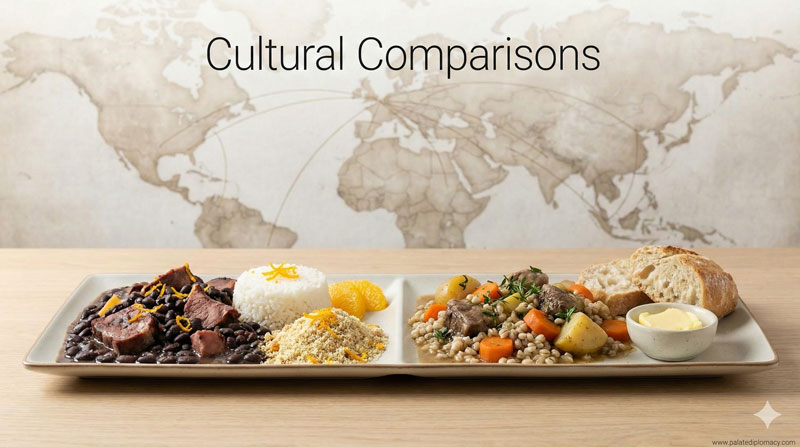
Brazilian food reflects the country’s vast landscapes and diverse cultural influences. From the lush Amazon rainforests to the bustling cities, Brazilian dishes often incorporate local ingredients like tropical fruits, beans, and fresh seafood. One of the most iconic dishes is the feijoada, a hearty Black Bean stew with pork, which embodies a sense of community and celebration. It is traditionally enjoyed during gatherings, symbolizing togetherness and conviviality.
Brazilian Cuisine also features vibrant street foods and snack items like acarajé—crispy black-eyed pea fritters filled with spicy shrimp—and pão de queijo, cheesy bread rolls that are beloved across the nation. These foods are more than just sustenance; they are cultural expressions that showcase regional flavors and the joyful spirit of the Brazilian people.
The Rich Culinary Heritage of Venezuelan Dishes
Venezuelan cuisine is equally rich and diverse, shaped by its varied geography and cultural mosaic. It emphasizes hearty, comforting foods with ingredients like corn, rice, and fresh vegetables. One of the country’s most famous dishes is the arepa—a versatile cornmeal cake that can be filled with cheese, meats, or avocados. Arepas are central to Venezuelan identity, often enjoyed at every meal and symbolizing daily life and social bonds.
Another notable dish is pabellón criollo, a flavorful combination of shredded beef, black beans, rice, and fried plantains. This dish highlights the country’s agricultural bounty and is a staple at family gatherings and festivities. Venezuelan cuisine is also celebrated for its sweet treats, such as chicha (a traditional beverage made from fermented corn) and quesillo (a creamy cheese dessert).
Comparing the Culinary Expressions
While Brazilian and Venezuelan dishes share common ingredients like corn, beans, and rice, their culinary expressions are distinct. Brazil tends to emphasize grilled meats, vibrant seasonings, and community-style dishes that bring people together. In contrast, Venezuelan cuisine focuses on comforting, filling foods that reflect the country’s agricultural richness and social customs.
Both cuisines celebrate local flavors with pride and showcase the artistry of their cooks. They serve as delicious gateways to understanding each country’s cultural identity and heritage. Whether it’s a Brazilian feijoada or a Venezuelan arepa, each dish tells a story of its land, its people, and their shared love for good food.
Embracing the Culinary Diversity
Exploring Brazilian and Venezuelan dishes offers a chance to appreciate their cultural depth and culinary ingenuity. Each dish embodies the spirit and traditions of its nation, making them more than just meals—they are celebrations of life, community, and history. Whether you are savoring the smoky flavors of a Brazilian barbecue or enjoying the comforting warmth of a Venezuelan hallaca, these dishes invite you to taste the soul of Latin America.
By understanding and respecting these culinary treasures, we enrich our appreciation for the diverse tapestry of flavors that define each country. So, next time you encounter a Brazilian or Venezuelan dish, take a moment to savor its cultural significance and the stories it carries. After all, good food is a universal language that unites us all.