
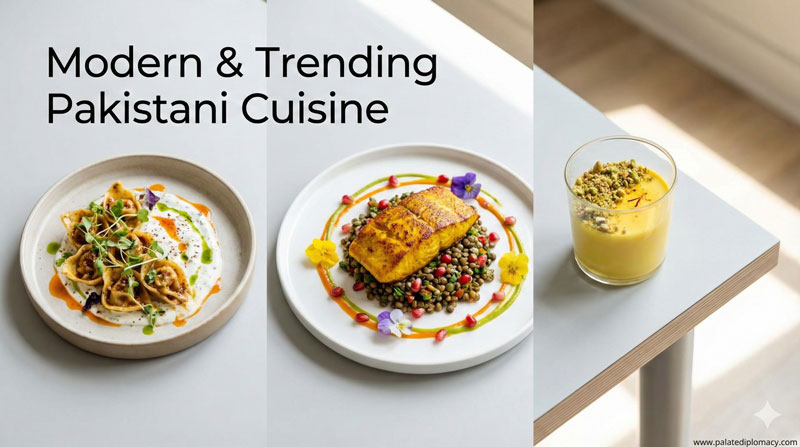
Introduction: Discover the Rich Flavors of Contemporary Pakistani Plates
Today, we celebrate a bright and inviting approach to Pakistani cooking. The dish Discover the Rich Flavors of Contemporary Pakistani Plates invites us to explore a vibrant fusion of tradition and modern craft. This is more than a collection of recipes; it is a living expression of culture, community, and craft. Each plate echoes a story of kitchens where family and friends gather, where spices are toasted with care, and where fresh ingredients meet thoughtful technique. The result is a menu of plates that feel both timeless and newly inspired. In this post, we focus on cultural value and culinary significance, highlighting how these contemporary plates enrich daily life and elevate the shared table. Expect textures that dance, aromas that welcome, and colors that spark conversation. Above all, this journey invites curiosity and respect for skilled artisans and home cooks who bring these flavors to life.
First, the idea of contemporary Pakistani plates is rooted in reverence for ingredients and the joy of transformation. Next, it is about how chefs and home cooks reinterpret familiar flavors with modern balance. Finally, it is about hospitality—the warmth of inviting someone to taste, to learn, and to savor together. Through this lens, the dishes become a bridge between memory and possibility, inviting us to notice the beauty found in everyday meals and in special gatherings alike.
A Palette of Flavors: The Taste Profile of Contemporary Pakistani Plates
Contemporary Pakistani plates deliver a spectrum of tastes that feel both grounded and fresh. Aromatic spices mingle with bright herbs, tangy chutneys, and gentle sweetness. The savory core often shines through with roasted notes, caramelized onions, and well-braised textures. Herbs like fresh cilantro or mint add lift, while citrus or pomegranate seeds offer a sunny brightness. Each plate reflects a careful balance: bold yet approachable, familiar yet surprising.
Moreover, this menu emphasizes contrast in textures. Crunch sits beside silkiness, and tenderness rests with crisp edges. The result is an experience that keeps the palate engaged from bite to finish. The use of heat is thoughtful, enhancing depth without overpowering the core ingredients. In this way, the dishes honor the intrinsic character of tomatoes, lentils, legumes, nuts, and vegetables while inviting new techniques and pairings. Clearly, the aim is a cohesive, appetizing whole that speaks to both tradition and exploration.
Key Ingredients and Techniques: Building the Foundation
Contemporary Pakistani plates rely on a well-chosen toolkit of ingredients and techniques. Common staples include fragrant spices that are tempered with careful toasting, allowing warmth and aroma to emerge gradually. Ghee or high-quality oil helps carry flavors, while yogurt or buttermilk adds creaminess and mild tang. Fresh herbs brighten dishes, and citrus shapes the final lift with a crisp, clean note. Legumes and grains provide body and nourishment, forming a dependable backbone for many plates.
Technique matters as much as ingredients. Slow simmering can deepen a sauce’s character, while quick searing preserves brightness in vegetables and proteins. Tandoor-style cooking adds a smoky nuance to meats and breads, creating distinctive textures and flavors. Chutneys and relishes provide bright acidity or sweet-heat contrasts that enhance overall balance. The contemporary approach welcomes ideas from various cooking methods while staying grounded in regional sensibilities and seasonal produce.
In this context, key components like garam masala, toasted cumin, coriander, turmeric, and chili work together to create the signature warmth associated with Pakistani plates. Yet the beauty of these dishes lies in their adaptability. Robuste flavors can be lightened with yogurt, lemon, or mint. Hearty lentil dishes can be brightened with pomegranate or carrot juice. This flexibility makes the plates accessible to a wide audience while preserving a strong cultural voice.
Regional Threads: A Tapestry of Flavors Across Pakistan
Pakistan’s culinary landscape is rich with regional voices. In Punjab, you may find hearty, comforting preparations that celebrate meat and spice with generous, satisfying profiles. Sindh brings a coastal brightness, often featuring sesame, tamarind, and a lively balance of sweetness and sourness. Khyber Pakhtunkhwa adds grain-forward dishes, herbs, and earthy notes from mountain farms. Balochistan offers robust flavors and smoked textures that reflect desert and coastal influences. Contemporary plates weave these regional threads into cohesive menus that honor local produce while inviting global palates to enjoy the harmony.
This tapestry highlights the importance of seasonality and fresh sourcing. Producers, markets, and kitchens collaborate to bring vibrant produce to the table. The result is plates that feel local in character yet universally inviting. In every bite, a sense of place emerges: the market buzz, the scent of herbs drying in the sun, and the careful craft of cooks who know How to balance memory with innovation.
Cultural Value: Hospitality, Craft, and Everyday Joy
The cultural value of the dish Discover the Rich Flavors of Contemporary Pakistani Plates rests in hospitality and shared experience. Food plays a central role in gatherings, celebrations, and daily meals alike. When people come together to taste and talk, flavors become a language for connection. The plates encourage conversation about ingredients, techniques, and personal preferences, turning cooking into a communal art.
Craftsmanship shines in both professional kitchens and home kitchens. Chefs blend traditional methods with modern ideas, but the respect for skill remains constant. Roasting spices to release aroma, layering sauces with care, and plating with intention—all demonstrate a commitment to quality and respect for ingredients. In social spaces, plates offer a focal point for generosity, curiosity, and appreciation for the cooks who make meals possible.
Furthermore, these contemporary plates support sustainable practices. They celebrate seasonal produce, minimize waste, and highlight local suppliers. In this way, the dishes contribute to a thoughtful rhythm of eating that respects the land, supports farmers and makers, and reinforces a sense of community.
Experience and Education: How These Plates Inspire Travel and Learning
Exploring contemporary Pakistani plates invites educational moments for cooks and diners alike. In kitchens, students learn to taste mindfully, adjust balances, and pair dishes with appropriate beverages. In markets, shoppers discover new fruits, vegetables, and spice blends, expanding their culinary vocabulary. Restaurants showcase the plates as a living gallery where technique and story meet plate and palate.
Travelers or curious readers can seek cooking classes, chef demonstrations, and market tours that illuminate the path from ingredient to plate. Each experience deepens appreciation for the craft and for the people who share food with kindness and expertise. The plates become a guide to flavor, culture, and the joy of learning through food.
Savoring and Sharing: A Gentle Invitation to Enjoy
To savor these plates is to slow down and listen to the kitchen’s quiet rhythm. As flavors unfold, the plate invites conversation about textures, aromas, and balance. Sharing a platter becomes an act of welcome, a way to say, “You are invited to taste and to learn.” Plating matters too; colors, height, and arrangement contribute to the sensory story. A well-composed plate can make the dining moment feel special, even in a casual setting.
In closing, the dish Discover the Rich Flavors of Contemporary Pakistani Plates stands as a celebration of culture, craft, and communal joy. It honors traditional ingredients and techniques while encouraging thoughtful experimentation. The result is a family of plates that feels both comforting and exciting, rooted in place yet open to new ideas. Whether enjoyed at a bustling restaurant, in a quiet home kitchen, or among friends and neighbors, these contemporary Pakistani plates offer a welcoming invitation to explore, taste, and share.