
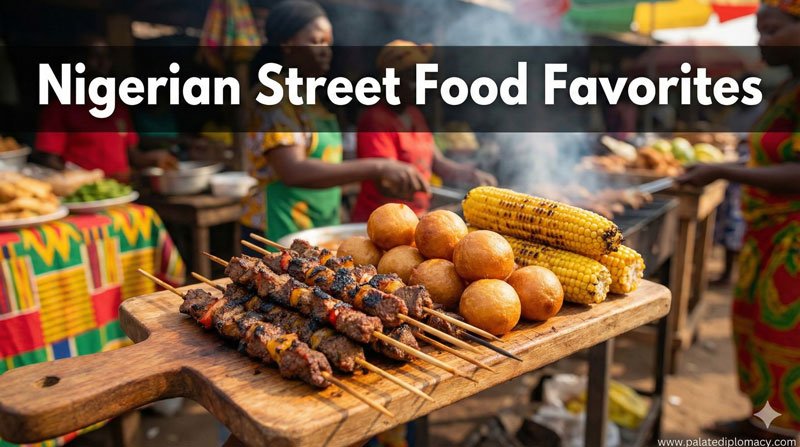
The Story Behind Boli, a Nigerian Food Favorite
Boli is the roasted plantain you often see at busy street corners and quiet parks. It is simple, yet deeply cherished. The dish speaks to everyday life, shared moments, and a sense of welcome. When you bite into Boli, you taste more than sweetness; you taste a tradition of conversations, laughter, and careful preparation. The beauty of Boli lies in its balance: smoke-kissed edges, caramelized fruit, and the warm familiarity of a snack that fits any time of day.
Street Aroma and Community
In many neighborhoods, Boli vendors bring a friendly presence to the street. Charcoal flames glow, and the air fills with a sweet, smoky scent. People pause to greet the vendor, children tug at their parents’ hands, and conversations begin as easily as the plantain meets the flame. This scene is more than food; it is social glue. Friends meet after work, students share a quick bite between classes, and families extend a pocket of time to enjoy a simple pleasure together. The ritual of choosing a ripe plantain, listening to the sizzle, and sharing a snack creates a sense of belonging and everyday joy.
The Craft: How Boli Is Made
The craft is straightforward, yet it rewards patience and attention to detail. First, choose plantains that suit your preferred sweetness. Slightly ripe fruit with golden skins caramelize beautifully when roasted. Next, the plantains are roasted on a grill or over charcoal. They can be roasted with the peel on to trap a little steam, then turned carefully so the surface darkens evenly. As they roast, the sugars caramelize and the scent fills the air. Finally, they are cooled briefly and opened to reveal tender, fragrant flesh inside. The contrast between the smoky exterior and the soft, sweet interior is the hallmark of a well-made Boli.
Flavor Partners: Groundnut and Pepper Sauce
Boli shines when paired with simple accompaniments. One classic pairing is groundnut sauce (peanut sauce). The rich, nutty note complements the plantain’s sweetness, creating a satisfying, balanced bite. Another popular option is a light, spicy pepper sauce. The heat from the pepper sauce adds energy to the dish while letting the plantain remain the star. Some people drizzle a touch of palm oil for extra depth, while others enjoy the plantain with a sprinkle of salt to bring out the natural flavors. These pairings are not just about taste; they invite a moment of tasting and sharing that many audiences recognize and love.
Occasions and Rituals
Boli appears in countless everyday moments. It is a welcome treat after school, a casual snack during a park visit, or a heartening bite during a cool evening walk. In markets and home kitchens alike, Boli is a flexible guest, fitting neatly into gatherings of friends and family. Because it is easy to share, Boli often travels from one plate to another, sparking conversation and smiles. The dish also supports small, joyful rituals—an after-work unwind, a quiet moment with a friend, or a quick celebration of a simple, delicious day.
Variations and Regional Flair
Across regions, Boli carries subtle variations that reflect local tastes. The ripeness of the plantain influences texture and sweetness; some cooks prefer fruit that is just turning yellow for a firmer bite, while others choose very ripe fruit for a sweeter, creamier interior. The roasting method can vary slightly, producing a range of smoky intensities. Pairings may shift with availability—groundnut sauce remains a favorite, but pepper sauces, tomato-onion relishes, or a light drizzle of oil also find welcome places on the platter. These small differences honor regional preferences while preserving the shared joy of roasted plantain.
A Bite of Tradition
Boli is more than a snack; it is a thread in the fabric of Food Culture. It invites careful preparation, social sharing, and mindful appreciation of simple flavors. Each bite offers a moment of connection—to the fire that roasted it, to the hands that prepared it, and to the people who chose to share it. In this way, Boli embodies a warm, inviting spirit: a dish that welcomes all to slow down, savor, and celebrate the beauty of Nigerian food culture.