
The Story Behind Bun Kebab, a Pakistani Food Favorite
Bun kebab is more than a snack; it is a warm chorus of street life, skill, and shared taste. In busy markets and outside busy eateries, vendors grill and assemble with care. The result is a meal that feels both simple and soulful. This post explores its cultural value and culinary significance, inviting you to see why this dish earns a special place on plates and in memories.
The Flavor and Texture That Define Bun Kebab
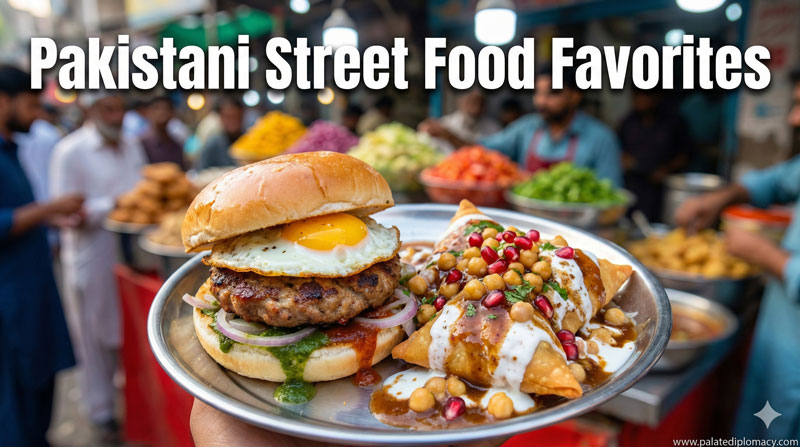
The heart of bun kebab is the kebab itself—ground meat seasoned with a bright balance of spices. Cumin and coriander wake the palate, while garam masala and black pepper add depth. Garlic and ginger bring warmth, and green chilies offer a gentle kick for those who want it. The mixture rests briefly so the flavors mingle, then it is shaped and grilled. The meat forms a crisp, smoky crust as it cooks, with juices that stay juicy inside. This contrast—soft interior, charred exterior—creates the signature bite.
The bun is the supporting stage, and it matters as much as the kebab. a Fresh, fluffy bun soaks up the juices and carries the aromatic warmth outward. A light toast adds a touch of nutty aroma without dampening the bread’s tenderness. Together, the meat and bun offer a harmony of savor and texture that many diners return for again and again.
The Craft: From Spice to Smoke
Crafting bun kebab is a craft passed along in kitchens and stalls. Skilled cooks balance meat with onions, chopped herbs, and a careful hand with spices. The mixture is often shaped into long logs or patties, then placed on a hot grill. Charcoal fire adds a smoky layer that electricity-based grills can rarely match. The cook’s eye guides the timing: a crisp edge here, a juicy center there. A final brush of oil or a light glaze helps capture sheen and flavor as the kebab rests briefly before joining the bun.
This process teaches patience and precision. It rewards discipline with a consistent result: a kebab that glows with color and aroma, and a bun that remains tender. In many kitchens, the flame is a trusted partner, whispering through the spices and turning simple ingredients into a communal delight.
Chutneys and Toppings: The Colorful Companions
A bun kebab truly shines when paired with bright, contrasting accompaniments. Green coriander-mint chutney delivers a fresh, herby kick that lifts the meat’s warmth. A tamarind or date chutney adds a tangy-sweet note that brightens the palate. Slices of onion bring crispness and a mild bite, while cucumber adds cool refreshment. A dash of chaat masala or a squeeze of lemon can elevate the overall balance.
These condiments are more than flavor boosters. They are a social language—shared tastes, personal twists, and a sense of place. In a single bite, you may taste the peppers of home, the tang of street markets, and the careful hand of the person who prepared the kebab. The toppings help tell the story of how bun kebab adapts to local palates while keeping its core character intact.
Regional Variations: A Flavor Map Across Cities
Across Pakistan, bun kebab takes on subtle regional notes. In one city, the kebab may be studded with a bolder pepper and a touch more garam masala, while in another, cooks lean toward a smoother spice profile with sweeter chutneys. Some places prefer beef, others chicken or a blend, all chosen to suit local tastes and available ingredients. The bun itself can vary too—soft and airy in some markets, slightly denser in others—yet it remains the essential vessel that holds the heart of the dish.
The beauty of bun kebab lies in its flexibility. It welcomes both traditional methods and thoughtful modern tweaks. Each stall may offer its own signature chutney or a special spice blend, inviting curious eaters to explore while preserving the dish’s recognizable spirit.
The Social Heartbeat: Food That Brings People Together
The appeal of bun kebab goes beyond flavor. It is a social ritual, a moment of togetherness that happens on busy sidewalks and in shared meals. Families, friends, and neighbors gather at a stall, exchange smiles, and choose their toppings together. The aroma from the grill meets the street and becomes a familiar welcome. People savor bites, trade recommendations, and plan their next stop along the food route. In this sense, bun kebab helps sustain a sense of community and belonging.
Seasonal fairs, evening strolls, and casual lunches all become more special with this dish at hand. It is portable, satisfying, and quick enough to fit a busy day, yet it carries a richness of tradition that invites people to slow down and enjoy the moment. This is how a simple bun and kebab becomes a little ceremony that many look forward to.
A Tasteful Lesson in Cultural Value and Culinary Significance
Bun kebab embodies a respect for ingredients and craft. It shows how a few well-chosen spices, a careful grill, and a thoughtful assembly can create something greater than the sum of its parts. It teaches generosity—sharing a bun, offering a bite, passing along a preferred chutney. It also celebrates adaptability: cooks adjust spice levels, select locally available components, and welcome new ideas while honoring a familiar form.
For home cooks and food lovers alike, bun kebab offers inspiration. It invites experimentation with textures and flavors, from experimenting with different breads to exploring variations in spice blends and chutneys. It also highlights the artistry of street food—a tradition in which skill, timing, and heart converge to produce something comforting and memorable.
In closing, the story of bun kebab is a tribute to everyday brilliance. It is a reminder that culture can be tasted in a single bite, and that the best dishes grow from shared effort, attentive hands, and a community’s enduring love for flavor. Whether enjoyed at a bustling stall or recreated at home, bun kebab stands as a cherished thread in the fabric of Pakistani Food Culture.