
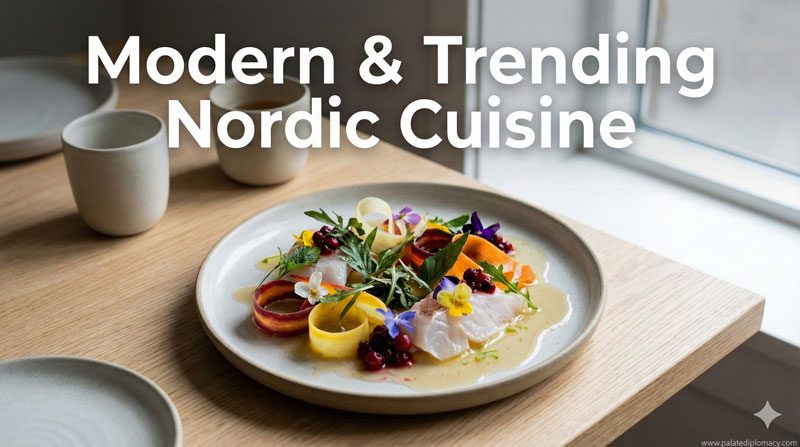
The Story Behind Modern Nordic Bowls, a Nordic Food Favorite
Nordic bowls have captured the heart of regional cooking by turning simple, seasonal ingredients into something generous and inviting. The dish centers a bowl filled with grains, vegetables, and protein, then finished with bright herbs and a touch of acidity. This presentation feels natural, calm, and thoroughly satisfying. The Story of these bowls is really a story of place: the clean air, long daylight, and generous harvests that define Nordic kitchens. In this post, we explore their cultural value and culinary significance, staying focused on flavor, craft, and community.
Core ideas that shape the bowl
Modern Nordic bowls rest on three steady ideas. First, balance: texture, color, and taste meet in harmony. Second, seasonality: ingredients come from nearby farms, waters, or forests, chosen for what is freshest. Third, simplicity with care: each component has room to shine, yet works together with the others. These ideas reflect a cooking style that feels intentional and calm. The result is a dish that invites both quiet moments of eating and shared meals with others.
A cultural tapestry in a single bowl
In Nordic bowls, we see how daily life, nature, and craft come together. The design of the dish mirrors the rhythm of the seasons: bright herbs in spring, crisp vegetables in summer, hearty roots in autumn, and preserved flavors in winter. The bowls often tell a story through color and texture—green dill and cucumber, deep amber grains, pale fish, and creamy dairy. They celebrate a regional palate that values clarity of flavor and restraint. The result is dishes that feel welcoming to the eye and comforting to the body.
The language of ingredients and technique
Rice or barley, rye, oats, or other grains form a sturdy base. They bring warmth and substance, and they pair well with dairy and fish. Fresh vegetables lend crunch and lightness, while roasted or smoked proteins offer depth. Fermented or pickled elements provide brightness and tang. Techniques such as curing, smoking, quick pickling, or gentle roasting showcase skill without complicating the flavor. The language of these bowls is straightforward yet expressive, inviting home cooks and professional chefs alike.
Regional flavors and thoughtful variations
Across the Nordic region, bowls adapt to local tastes and products. In coastal areas, smoked salmon, cod, or herring mingle with sea vegetables and citrus notes. Inland regions favor grains, root vegetables, mushrooms, and earthy herbs. Finland might bring barley and creamy dairy into balance, while Sweden offers dill, cucumber, and light vinaigrette lift. Denmark often adds colorful vegetables and crisp textures. These variations demonstrate how a single concept can feel universal yet intimate, always rooted in local harvests.
Craft, seasonality, and sustainability
Sustainability guides selection of ingredients and the way bowls are plated. Seasonal produce reduces waste and highlights natural flavors. Local fisheries and farms provide freshness and support nearby economies. The bowls emphasize careful preparation rather than rapid cooking, allowing flavors to unfold. This thoughtful approach resonates with many home kitchens and dining rooms, where the goal is nourishment that respects the land and its producers.
How to enjoy a Nordic bowl
The experience begins with aroma and color. A bright herb crown draws the eye, while warm grains invite a comforting bite. A balance of cool, crisp vegetables with a richer protein creates a pleasing mouthfeel. A light citrus or vinegared finish lifts the dish without overpowering it. Pairing ideas include rye bread, a dollop of cultured dairy, or a simple herbal tea. Each bite should feel generous, clear, and satisfying, encouraging mindful eating and conversation.
Making a Nordic bowl at home
Start with a sturdy grain as your base—barley, rye, or oats work beautifully. Cook until tender but still slightly chewy. Add roasted root vegetables, lightly sautéed greens, or cucumber for brightness. Choose a protein such as smoked salmon, chickpeas, or roasted mushrooms to suit your preference. Finish with a fresh herb mix, a squeeze of lemon, and a touch of yogurt or cream for contrast. Plate in a wide bowl to display colors and textures. Serve with a light drizzle of olive oil or a mild vinaigrette to tie the components together.
The role of bowls in Nordic culinary culture
Bowl meals reflect a culture that values balance, practicality, and beauty. They suit quick weeknights and relaxed gatherings alike. The practice of assembling a bowl encourages mindful sourcing and careful preparation. Sharing a bowl becomes a small ritual—a communal moment to savor the season and the care that went into each ingredient. These dishes elevate everyday eating into a moment of appreciation for craftsmanship and flavor.
Final thoughts
The Story Behind Modern Nordic Bowls reveals more than a tasty dish. It shows a culinary mindset that honors season, locality, and clarity of flavor. The bowl acts as a canvas for textures, colors, and techniques, all grounded in Nordic Food Culture. Whether you dine out or cook at home, these bowls invite you to slow down, notice the ingredients, and celebrate the beauty of well-made food. This is a modern tradition that keeps evolving, always inviting, and forever delicious.