
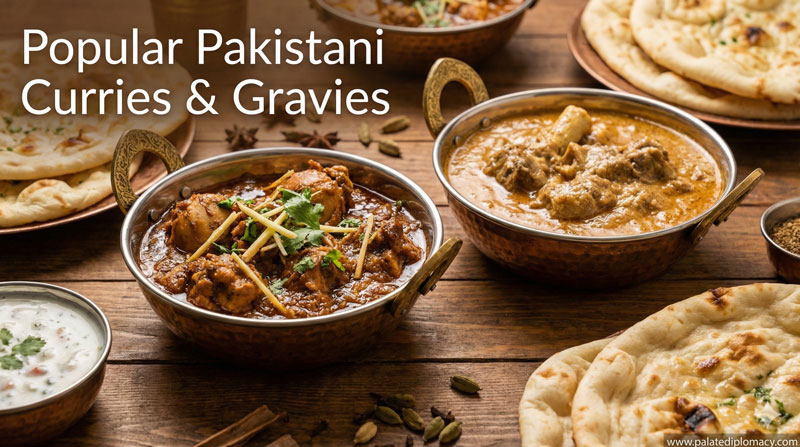
The Story Behind Mutton Korma, a Pakistani Food Favorite
Mutton korma sits at the heart of Pakistani dining as a dish that invites warmth and conversation. The preparation unites fragrant spices, a creamy sauce, and tender meat to create a comforting centerpiece. In homes and kitchens across the country, families pass the recipe with care, savoring each generation’s subtle touch.
A Window into Hospitality and Shared Moments
Korma is more than a recipe. It is a gesture of welcome. When a pot opens on the stove, the room fills with a slow, inviting aroma. Guests feel cared for as bowls arrive at the table. The dish invites conversation, laughter, and a sense of togetherness that marks celebrations and simple Sundays alike.
The Flavor Journey: Ingredients and Techniques
The magic begins with quality mutton, slowly marinated and braised until it glides from bone to bite. A silky sauce forms from yogurt, cream, or nut paste, depending on family preference. Ground spices—cumin, coriander, garam masala, cardamom, cinnamon, cloves—bind with onions fried in ghee. Nuts such as almonds or cashews add body, while saffron or rosewater can brighten the finish. The key is patience: low heat, steady simmer, and careful layering of flavors.
Regional Variations Within Pakistan
Across regions, mutton korma wears a Local voice. In some Punjabi kitchens, a touch of poppy seeds or cream thickens the sauce and deepens its creaminess. In other areas, a nut paste base brings a warmer, richer texture. Kashmiri-influenced versions may use saffron for a golden hue and a delicate sweetness. Across these forms, the dish remains true to its core: tender meat cloaked in a fragrant, mellow sauce.
The Craft of Slow Cooking and Care
The technique honors time and texture. Start by blooming whole spices in hot ghee to awaken their aroma. Then add sliced onions until they turn amber. Stir in the marinated mutton and allow it to brown gently. Whisk in yogurt or nut paste with care to prevent curdling, and let the mixture simmer slowly. Finally, finish with a pinch of salt, nutty garnish, and a final swirl of cream. This method creates a sauce that clings to each piece of meat and lingers on the palate.
Serving Traditions and Pairings
Mutton korma shines on a shared plate. It pairs beautifully with soft, fluffy basmati rice or freshly baked naan. A crisp cucumber raita cleanses the palate between bites, while a light salad adds color and freshness. Food lovers often present the dish in a wide bowl with a generous drizzle of sauce, inviting everyone to scoop and savor together. The experience is as much about the company as the plates.
A Modern Take: Home Cooking with Respect for Start-to-Finish Flavor
Today, many households adapt by balancing richness with lighter ingredients, yet they keep the heart of the dish intact. Home cooks experiment with yogurt strength, adjust spice levels, and still honor the slow simmer that defines great korma. The result remains a comforting ritual: a pot on the stove, a shared table, and a sense of pride in a beloved tradition.
A Gentle Conclusion: The Beauty of the Dish in Culture
Mutton korma captures the beauty of food as culture—how a single dish can carry memory, warmth, and artistry. Its careful balance of spice, creaminess, and tenderness mirrors a value for patience and hospitality. When you taste it, you taste a story of family, craftsmanship, and the thoughtful care that goes into every bite. This is why mutton korma endures as A Pakistani favorite: a dish that honors flavor, togetherness, and the quiet joy of a well-made meal.