
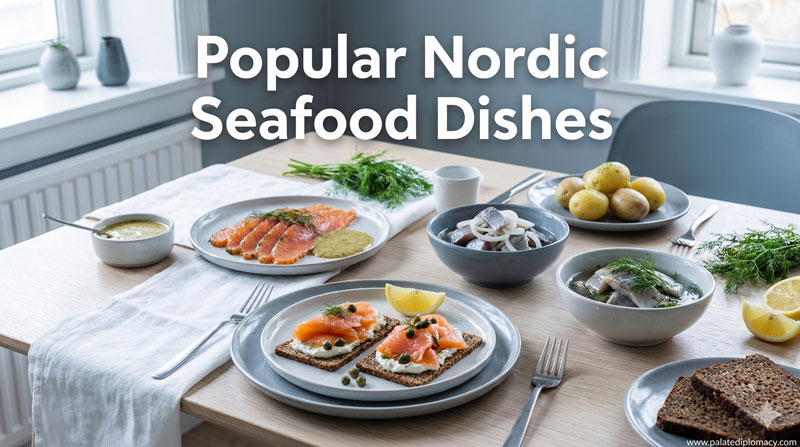
The Story of pickled herring unfolds with the quiet confidence of Nordic kitchens. It is a dish that travels through seasons, gatherings, and daily meals, tying together people, flavors, and shared hands. This post invites you to taste not just a bite, but a tradition that many families keep alive with care and pride. We explore its cultural value and culinary significance, told through the language of ingredients, methods, and the joy of coming to the table together.
The Cultural Value of Pickled Herring in Nordic Life
Pickled herring is more than a dish; it is a storyteller of everyday life. In Nordic homes, it appears on tables at modest lunches and festive gatherings alike. The practice of preparing, sharing, and savoring it speaks to a calm rhythm of seasons and meals. Families pass down simple recipes that rely on careful timing, clean ingredients, and respect for the process. Each jar and plate carries a memory of tradition, place, and the company of others. The dish invites conversation, a moment to slow down, and a sense of continuity that comforts the palate and the heart.
A Culinary Significance: Techniques and Flavor
Culinary significance often lies in technique. Pickled herring highlights craft in brining and balance. Fresh fillets are cleaned and then cured in a brine that blends salt, sugar, and vinegar. This combination preserves, sharpens, and brightens the fish. Aromatics — onion slices, peppercorns, mustard seeds, and dill or caraway — weave through the brine to shape a crisp, tangy flavor profile. The result is a clean bite with a gentle sweetness, a touch of acidity, and a savory depth that lingers.
The preparation is accessible yet precise. Time matters: the fish rests in the brine to absorb flavor without becoming overwhelmed by salt. Packaging may include layers of onion or carrot, and sometimes a hint of spice in a jar. This careful balance is What Makes pickled herring versatile: it pairs with soft bread, crisp rye, boiled potatoes, or a dollop of sour cream. It also invites bright accompaniments like chives, fresh dill, or a squeeze of lemon. In Nordic kitchens, the method and the seasoning approach invite a respectful, patient celebration of taste.
Regional Variations Across Nordic Countries
Across Nordic lands, pickled herring takes local character from pantry and palate. In Sweden, inlagd sill often features briny tang with onions, sometimes a hint of sugar, and sometimes additional spices. In Norway, sursild varieties emphasize freshness and a balanced acidity that pairs well with hearty breads. Denmark offers its own bright interpretations, where lighter brines and crisp presentation highlight the fish’s delicate texture. Finland adds its regional touches, with brines that glow softly under the influence of local herbs and flavors. While each country has its own style, the throughline remains the same: a bright, accessible, and enduring preparation that honors the fish and the craft.
Seasonal Traditions and Everyday Meals
Pickled herring shines in both everyday meals and seasonal celebrations. It often appears during family lunches and on holiday spreads, where its color and aroma add warmth to the table. In winter, the dish brings brightness to the meal when days grow short and the palate craves a crisp, refreshing bite. In spring and summer, it accompanies lighter sides like new potatoes and fresh bread, creating a simple but satisfying balance. The dish supports ritual moments as well, serving as a dependable presence on plates during gatherings that value shared food and conversation.
The Table and Time: Pairings and Celebrations
At the table, pickled herring sets the stage for thoughtful pairings. Rich, dark bread creates a textural contrast that complements the fish’s briny brightness. Boiled potatoes or creamy mashed potatoes offer a comforting counterpoint. A dollop of sour cream or a sprinkle of finely chopped onions adds mellow sweetness and crunch. Fresh herbs — dill or chives — bring a hint of greenery and fragrance. For a traditional touch, a light pour of aquavit or a crisp beer can elevate the experience without overpowering the fish. These pairings reinforce the dish’s role as both everyday sustenance and a key element in festive meals.
Preserving a Simple Yet Rich Recipe for Future Generations
The lasting appeal of pickled herring lies in its simple ingredients and the care with which they are treated. By keeping a steady hand with brine, respecting freshness, and sharing the recipe across generations, families maintain a living memory of place and practice. This approach honors tradition while inviting new cooks to explore the technique, adapt to personal tastes, and keep the spirit of Nordic cuisine vibrant. The dish becomes a gentle ambassador of a culture that values quality, patience, and communal eating.
If you seek a dish that embodies quiet elegance and cultural warmth, pickled herring offers a clear, inviting path. It celebrates the beauty of straightforward ingredients, the skill of careful preparation, and the joy of gathering around the table. In every bite, you taste a story carried forward by hands that have kept it alive. This is the essence of pickled herring: a Nordic favorite that endures because it speaks to flavor, craft, and community.