
The Story Behind Ogbono Soup, a Nigerian Food Favorite
Ogbono soup welcomes you with a gentle aroma and a warm, comforting texture. This dish sits at The Heart of Nigerian homes, often appearing at family meals and special gatherings. It is beloved for its smooth, velvety mouthfeel and its rich, adaptable character. At its core, Ogbono soup uses ground ogbono seeds to create a distinctive body, then blends meat or fish, palm oil, and leafy greens into a harmonious, satisfying bowl. The result is inviting, deeply satisfying, and easy to share with others.
What is Ogbono Soup?
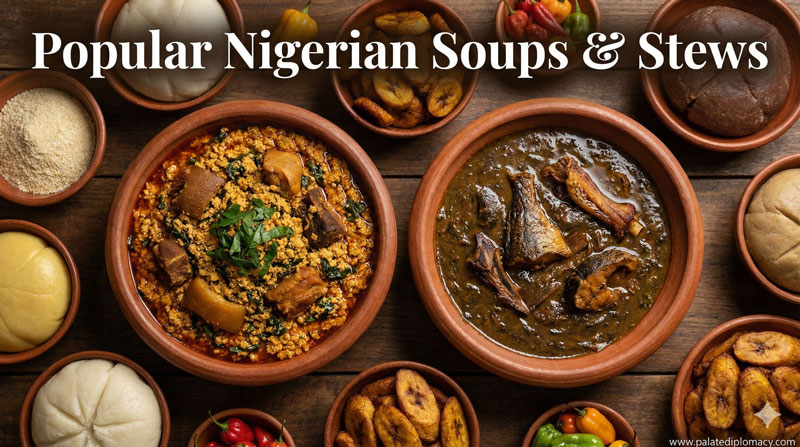
Ogbono soup is a traditional Nigerian soup. The key ingredient is the ground seeds of the African bush mango, called ogbono. When stirred into hot liquid, these seeds release a natural, silky mucilage that gives the soup its signature body. The texture is lush and slightly chewy, never heavy, and it blends beautifully with the flavors of meat, fish, and seasonings. The color shifts from warm amber to a deeper gold as palm oil and spices mingle. This simple, honest foundation invites a range of add-ins and still carries springy elegance in every bite.
The Ingredients and How They Come Together
A typical Ogbono soup features:
- Ground ogbono seeds for the signature texture
- Palm oil or a lighter oil as a base
- Protein such as beef, chicken, goat, fish, or stockfish
- Aromatics like onion, pepper, and seasoning
- Leafy greens such as ugwu (fluted pumpkin leaves) or spinach
- Optional seasonings like crayfish, dried fish, or iru (fermented locust beans)
These elements come together with care. The oil, seeds, and heat interact to form a smooth, cohesive body. The meat or fish adds depth, while the greens brighten the dish and provide balance. Each household brings its own touches, creating gentle variations that honor tradition while inviting personal flair. The result is a dish that feels both timeless and accessible.
Cultural Value and Culinary Significance
Ogbono soup holds a place of quiet honor in Nigerian Food Culture. It is a dish that signals hospitality, warmth, and shared enjoyment. Serving Ogbono with a starchy side—pounded yam, fufu, or garri—becomes a ceremony of togetherness. The act of scooping from a common pot and passing bowls around the table expresses care and generosity. Families teach younger cooks to balance flavors, monitor thickness, and choose greens with pride. The dish also travels through celebrations and daily meals alike, proving its versatility and enduring appeal.
Culinarily, Ogbono showcases the beauty of texture. The mucilage created by the seeds gives a luxurious, creamy mouthfeel that delights the senses. It is a celebration of simple ingredients becoming something greater through technique and patience. The greens add brightness and a fresh note, while the protein anchors the dish in heartiness. This combination—comforting texture, rich aroma, and balanced nutrition—explains why Ogbono soup remains a cherished staple across many Nigerian kitchens.
Regional Variations and Personal Touches
Across Nigeria, cooks adapt Ogbono to local tastes and family preferences. Some choose more palm oil for a deeper color and richer mouthfeel; others favor a lighter touch for a subtler finish. The choice of greens varies, from ugwu to spinach, each bringing its own texture and aroma. Protein choices range from beef to fish to dried options, with crayfish or iru adding depth. These variations celebrate regional abundance and personal memory, turning each pot into a personal story told through flavor. The spirit remains the same: a nourishing, hospitable dish that invites sharing and conversation.
Serving, Etiquette, and the Experience Around the Table
Ogbono soup shines when paired with a starch that soaks up its silky body. Pounded yam, fufu, or garri are common matches. The act of breaking the starch, dipping into the soup, and lifting a cohesive bite is a familiar ritual of enjoyment. The aroma invites conversation, while the smooth texture encourages lingering at the table. This is more than nourishment; it is a moment of connection, a gentle ritual that honors cooks and guests alike.
A Dish for Generations
Ogbono soup acts as a bridge between generations. It carries memories of cooks who perfected the balance of seeds, oil, and greens, and it invites new cooks to learn with guidance and care. Each family adds its own refinements, keeping the dish lively while preserving its essential character. In this way, Ogbono soup remains a living tradition: a dish that respects the past, yet speaks clearly to present tastes and shared meals.
Conclusion
The Story of Ogbono soup is the story of Nigerian food culture in motion: rooted in traditional technique, enriched by flexible ingredients, and carried by the joy of sharing. It is a dish that invites warmth, celebrates texture, and honors hospitality. Whether enjoyed at a quiet family supper or a lively gathering, Ogbono soup stands as a beautiful testament to the culinary values that bring people together around a table. If you taste it, you will feel the care, history, and inviting spirit that make this Nigerian favorite so enduring.