
The Story Behind Sindhi Biryani, a Pakistani Food Favorite
Sindhi Biryani is more than a meal. It is a page from the everyday life and festive moments of Sindhi culture. The dish blends Bold Flavors with a gentle sense of hospitality. When the pot opens, the kitchen fills with a warm, inviting aroma. Families gather, share stories, and celebrate togetherness around a single, fragrant pot. This is The Story behind Sindhi Biryani: a symbol of care, craft, and cuisine that travels from bustling kitchens to intimate gatherings.
The Ingredient Story: Fragrance and Flavor
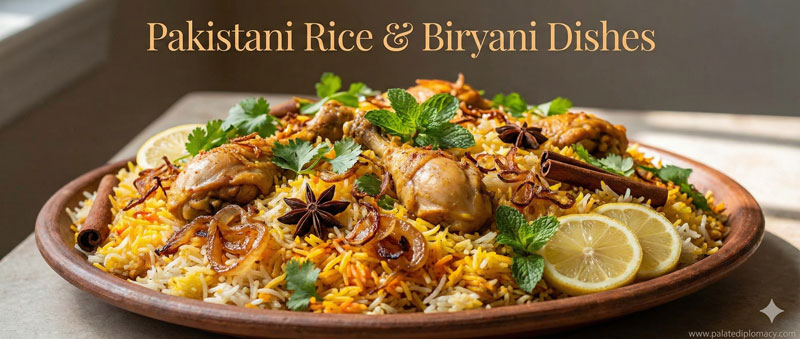
The heart of Sindhi biryani lies in its harmonious balance of textures and scents. Long-grain basmati rice provides a fluffy, separate grain. Meat—often mutton, beef, or chicken—provides depth, while potatoes add earthy comfort to the layers. A base of yogurt tenderizes the meat and adds a tangy note. Fresh herbs such as mint and coriander brighten the dish, and fried onions bring sweetness and color. Spices form a fragrant wall around the core flavors: cumin, coriander, black pepper, cinnamon, cloves, and cardamom create warmth; bay leaves add grace. Saffron and a hint of kewra or rose water give the dish a dizzying, royal aroma that lingers in the air and in memories. Each ingredient has a purpose, and together they create a signature scent and taste that are unmistakably Sindhi.
The Craft of Dum Cooking: Technique and Texture
Sindhi biryani is often prepared using the dum cooking method. The pot is sealed tightly to trap steam, allowing flavors to mingle slowly. The layering is deliberate. In many homes, potatoes form the base, giving a sturdy foundation that keeps rice from clumping. Then comes the meat, marinated in yogurt and spices, followed by a layer of parboiled rice. Fried onions, chopped cilantro, and mint are scattered between layers for texture and brightness. Finally, saffron-infused milk or a sprinkle of saffron threads paints the top with a golden hue. The pot rests on low heat, and patience does the rest. Steam rises slowly, carrying aromas through the room and inviting everyone to anticipate the first bite. The result is a cohesive dish where each grain is separate, yet the flavors blend as if they were made for each other.
A Sindhi Celebration in a Pot: Regional Variations and Family Rituals
Sindhi biryani is wonderfully varied, and those variations illuminate regional tastes and family customs. In interior Sindh, the potatoes in the base layer are a cherished touch, offering earthiness that echoes the land. In coastal areas or larger towns, cooks may emphasize fruitier notes from saffron or a delicate rose water finish. Some households cook with chicken, others with lamb or beef, and the choice of spice intensity can shift from mild to bold, all while keeping the iconic balance intact. Accompaniments matter too: fresh cucumber salad, a tangy tamarind chutney, creamy raita, and crisp pickle add contrasts that elevate the meal. The dish is often part of multi-course meals where guests pace themselves, share bites, and toast to good spirits. These rituals reveal how Sindhi biryani functions as a centerpiece for conversation, generosity, and shared joy.
Cultural Moments: Food, Hospitality, and Memory
The social value of Sindhi biryani rests on hospitality. The aroma welcomes guests, signaling a warm invitation into the home. Serving comes with a sense of ceremony and care. In many households, the eldest member or the host serves first, a sign of respect and gratitude. The act of serving from a single large handi reinforces a sense of unity and communal experience. Even the act of eating becomes a social ritual: tearing off pieces, tasting the savory balance, and appreciating how the spices unfold. Over meals, stories flourish—about harvest luck, family milestones, or simple daily joys. In this way, Sindhi biryani is not only a dish but also a thread that weaves people together, preserving a sense of place and belonging.
A Modern Table: Tradition Meets Today
Today, chefs and home cooks honor tradition while embracing contemporary tastes. The core elements remain: fragrant rice, well-spiced meat, and careful layering. Yet cooks experiment with textures and presentation. Some serve biryani on a large platter for a communal feel, while others present elegant stacked portions to highlight the colorful layers. Vegetarians and pescatarians find creative adaptations by substituting paneer or mushrooms for meat, or by crafting a richly seasoned vegetable biryani that honors the Sindhi approach to balance and aroma. Regardless of the variation, the essence stays intact: the delightful interplay of spice, aroma, and the comforting texture of rice that invites sharing. This continuity—paired with thoughtful innovation—keeps Sindhi biryani relevant in homes and kitchens around the world.
Closing: The Lasting Charm of a Beloved Dish
Sindhi biryani endures because it speaks to fundamental human joys: nourishment, warmth, and connection. Its preparation is a ritual of care, its flavors a celebration of regional identity, and its social role a reminder that food can bring people closer. As you savor the layers of meat, rice, and saffron, you taste a culture that values generosity, respect, and craft. The story behind Sindhi biryani is not only about how it is made, but also about how it brings people together. It remains a beloved favorite because it invites you to slow down, breathe in the aroma, and share a moment of feast with family and friends.