
Top Reasons Ethiopians Love Injera
Injera is more than bread. It is a living part of daily life, shared meals, and quiet celebrations. This post highlights its cultural value and culinary significance, in a warm and respectful way.
What Injera Is and How It Graces the Table
Injera is a large, soft, spongy flatbread. It starts with teff flour mixed with water and left to ferment. The result is a tangy, airy pancake with many tiny holes. When cooked on a hot clay griddle called a mitad, it becomes a round, elastic canvas. The bread acts as both plate and utensil at the table, inviting every guest to participate in the meal.
Shared Meals and Hospitality
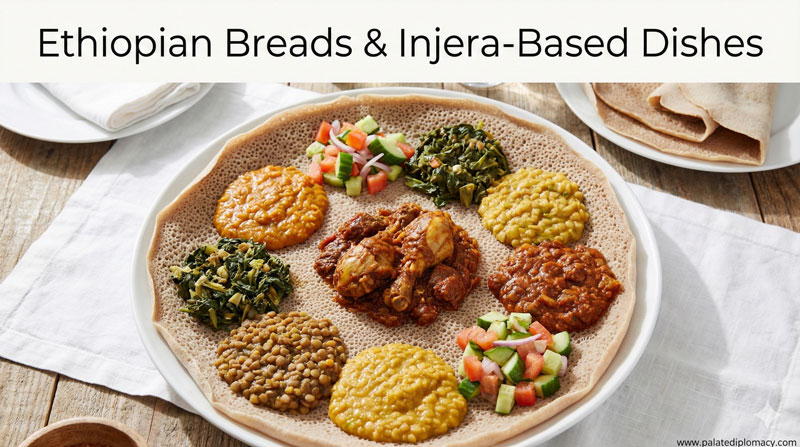
Ethiopians greet guests with generous hospitality. A meal often centers on a single, communal injera. People place a big round injera on a tray and arrange stews around it. Diners tear off pieces, scoop sauces, and pass the platter with care. This act of sharing builds a sense of belonging and warmth. Injera becomes a quiet language of welcome.
Fermentation: The Soul of Flavor
Fermentation shapes injera’s character. The batter rests in a warm place, where natural yeasts and bacteria work slowly. This creates a light, bubbly texture and a distinctive sour note. The porous surface on top soaks up sauces while releasing aroma to the air. The result is a lively flavor that complements spicy stews and fresh vegetables.
Teff: The Grain at the Heart of the Dish
Teff is small and deeply rooted in Ethiopian landscapes. It gives injera its characteristic color and a gentle nuttiness. Teff is naturally gluten-free, which many families value for its culinary flexibility. Different varieties produce pale to dark tones, adding subtle variation to meals. The grain’s resilience mirrors the care that goes into its cultivation and preparation.
Versatility on the Platter
Injera is a versatile accompaniment. It pairs with a range of stews and vegetables, from lentil and chickpea dishes to savory vegetable mixes. The bread’s tang and sponge-like texture catch and carry sauces, allowing flavors to mingle with every bite. Vegetarian options shine, and meat dishes gain a bright, balanced backdrop when served with injera.
Craft and Patience: Making Injera
The making of injera is a craft passed through families. It begins with grinding teff into flour, mixing with water, and allowing the batter to ferment. After fermentation, cooks ladle the batter onto a hot mitad, forming a circular pancake. The process requires patience and attention, yet the result is a meal that feels rooted in time.
A Dish for Celebrations and Everyday Life
Injera accompanies both daily meals and special gatherings. It makes ordinary moments feel shared and meaningful. Whether at a simple lunch or a festive feast, injera invites people to sit together, talk, and savor.
Preserving a Living Culinary Language
Across households, recipes are handed down with care. The methods of fermentation, the choice of teff varieties, and the rhythm of serving injera stay alive through generations. This continuity keeps the dish vibrant and comforting, a true language of Ethiopian food culture.
Injera embodies hospitality, community, and craft. Its flavor, texture, and ritual invite us to slow down, to share, and to honor tradition with every bite.