
Top Reasons Ethiopians Love Injera
Injera sits at the heart of Ethiopian meals. It is more than food; it is a symbol of hospitality, family, and daily life. This bread-like staple unites flavors, textures, and shared tables in a single, inviting bite.
What Injera Is and How It Comes Together
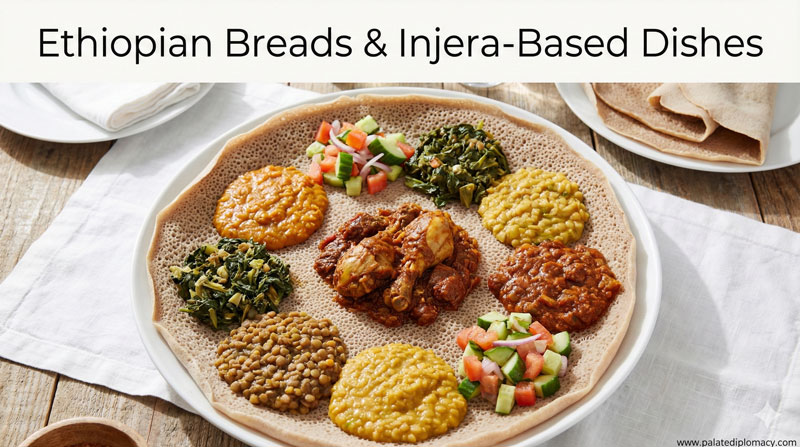
Injera is a large, round flatbread made from teff flour. The batter ferments gently, creating tiny bubbles and a light, airy surface. When cooked on a hot griddle, it forms a soft, slightly sour layer that covers the plate and all the accompanying dishes.
The Texture and Taste That Enchant
The most-loved feature is its spongy texture. The holes in the surface trap sauces and stews, allowing every bite to be moist and flavorful. The tang from fermentation adds brightness, while the teff brings a nutty, earthy depth. This balance makes injera both comforting and exciting to the palate.
The Sharing Tradition that Feeds the Soul
Ethiopian meals arrive at the table as a communal spread. A large injera serves as the base, and family members gather around, tearing pieces to scoop up stews. This method invites conversation, patience, and a sense of togetherness. The act of sharing strengthens bonds and creates a warm, welcoming atmosphere.
Culinary Significance Across Dishes
Injera blends with a variety of wots (stews), ayib (fresh cheese), and fresh vegetables. It adapts to many flavors—savory, spicy, and mild—without overpowering them. The bread’s mild character makes it a versatile partner for meat, legumes, and greens alike. This adaptability highlights injera’s central role in Ethiopian cooking.
A Key to Texture, Color, and Aroma
The aroma of simmered spices and the soft sheen of the injera invite the senses before a bite even happens. The color is warm and earthy, reflecting the natural ingredients used in traditional teff. These sensory cues make the meal feel special while staying approachable for everyday dining.
Regions, Variations, and Local Pride
Different regions add subtle tweaks to the batter or serving style, preserving local pride and tradition. Yet the core idea remains the same: a shared bread that carries sauces and stories. This regional variation enriches the national culinary tapestry without losing its common heart.
Etiquette and Experience at the Table
When eating injera, one often starts by tearing a piece to scoop the first bite. Use the injera as a utensil, not a plate, and rotate portions to honor guests. Such practices celebrate hospitality and create a calm, respectful dining rhythm.
A Nourishing, Gluten-Friendly Staple
Teff is naturally gluten-free, offering a gentle, grain-forward nutrition. Injera provides carbohydrates, fiber, and minerals in a wholesome, digestible form. Its nutritional balance supports daily meals and festive feasts alike, making it a dependable staple.
Conclusion: A Dish with Gentle Grandeur
Injera embodies the beauty of Ethiopian food culture: simplicity crafted with care, shared over a table, and carried by textures, flavors, and rituals that welcome everyone. Its charm lies not just in taste, but in the harmony it brings to daily life and celebrations alike.