
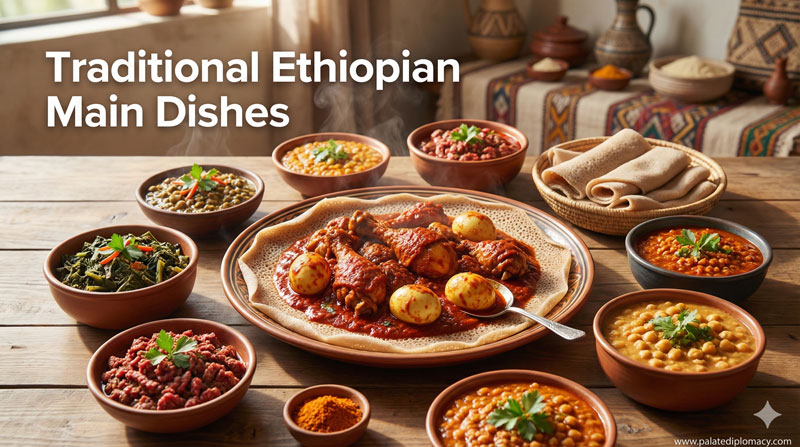
Kitfo holds a special place in Ethiopian kitchens and hearts. In this post, we explore the Top Reasons Ethiopians love Kitfo, focusing on cultural value and culinary significance. The dish brings people together, celebrates craft, and honors tradition with every shared bite.
What Is Kitfo?
Kitfo is a finely minced beef dish, seasoned with a bright blend of spices. Many cooks mix the meat with mitmita, a peppery blend that lends warmth and depth. They fold in niter kebbeh, a spiced clarified butter that adds a silky sheen and a gentle heat. Kitfo is most often presented on a bed of injera, with accompaniments like ayib (fresh cheese) and gomen (collard greens) on the side. Some people enjoy it raw and tender; others prefer it lightly cooked. In any form, Kitfo radiates freshness, precision, and care.
A Dish of Warm Hospitality
Hospitality is a central thread in Ethiopian food culture, and Kitfo is a signature expression of that warmth. When guests arrive, a generous platter of Kitfo signals welcome and respect. The serving style invites conversation, shared scoops, and mutual enjoyment. The aroma from the butter and spices invites smiles. In this way, Kitfo becomes more than a dish; it is a ritual of connection that strengthens family and community bonds.
The Craft Behind the Flavor
The heart of Kitfo lies in careful preparation. High-quality beef is selected for texture and color, then trimmed and finely minced. The meat is mixed with a portion of warm, spiced butter, which brings richness and a subtle sweetness. The spice blend—mitmita or a similar mix—delivers a bright, peppery kick that wakes the palate. Healing aromas rise as the butter sizzles lightly, marrying meat and spice. The result is a dish that feels precise, deliberate, and deeply rooted in culinary skill.
Pairings That Speak to Place
Injera, the sour teff flatbread, is the perfect partner for Kitfo. It acts as a edible plate and a utensil, inviting every bite to be wrapped in a soft, tangy wrap. Ayib provides a creamy contrast to the meat’s richness, while gomen offers a fresh, leafy balance. The combination creates a harmony of textures and flavors that many families consider essential. Each bite tells a story of teatimes, markets, and everyday meals that center around generosity and balance.
A Canvas for Personal Tradition
Households vary in their approach to Kitfo, reflecting personal and regional preferences. Some cooks keep the meat very rare to showcase tenderness and clean beef flavor. Others prefer a lightly cooked variation that preserves tenderness while ensuring warmth. Many families adjust the spice level to match taste, from mild to bold. This flexibility allows Kitfo to be a canvas for tradition and personal touch, while still preserving its core identity as a beloved staple.
Celebrations and Everyday Meals
Kitfo shines during festive gatherings, family reunions, and market days, but it also nourishes everyday meals. The dish adapts to the rhythm of daily life, offering a sense of ritual and comfort whether enjoyed at a crowded table or a quiet family moment. In both settings, Kitfo communicates joy, care, and the beauty of shared food.
Regional Voices in Ethiopian Kitchens
Across Ethiopia, cooks bring their own regional influences to Kitfo. Some kitchens highlight the brightness of mitmita, while others emphasize the butter’s nutty notes from niter kebbeh. The teff-based injera beneath Kitfo carries its own regional character, with variations in texture and sourness that influence how the dish feels on the tongue. These local differences enrich Kitfo without altering its core essence—high-quality meat, precise seasoning, and a warm presence at the table.
The Plate as a Cultural Mirror
The way Kitfo is plated and eaten reflects cultural values of balance, generosity, and care. The plated platter invites shared portions, while the careful distribution of ayib and greens signals attention to every guest. Each serving offers a moment to reflect on the artistry of Ethiopian home cooking and the joy of feeding others. In this sense, Kitfo is more than food; it is a living mirror of daily life and social grace.
A Connection to Teff and Tradition
Injera, made from teff, is inseparable from Kitfo in the traditional setting. Teff brings A Unique texture and tangy backdrop that complements the meat’s richness. The combination elevates a simple act of eating into a culturally meaningful experience. As teff grains are ground and fermented, they carry stories of generations who honored farming, milling, and shared meals. The result is a dish that feels timeless and deeply rooted in Ethiopian culinary heritage.
A Gentle, Respectful Experience
The beauty of Kitfo lies in its balance of power and tenderness. The peppery warmth invites the senses to respond; the butter smooths and carries flavors forward; the accompaniments provide bright contrast. This careful balance invites diners to slow down, listen to the sizzling pan, and savor each moment of the meal. Kitfo invites respect for ingredients, skill, and the joy of gathering around a table.
Conclusion
Top reasons Ethiopians love Kitfo flow from culture and cuisine in equal measure. It is a dish built on precise preparation, generous hospitality, and a strong sense of place. It celebrates meat and spice while honoring the nourishing tradition of sharing food with friends and family. Kitfo is both a culinary treasure and a cultural beacon, inviting everyone to experience the warmth, craft, and beauty of Ethiopian food.
If you’d like, I can tailor this further to emphasize a particular Ethiopian region, family tradition, or a specific ingredient emphasis (like more on injera, ayib, or niter kebbeh).