
Introduction
This post introduces the dish Top Reasons Ethiopians Love Vegan Ethiopian Bowls. It highlights how culture and cooking come together in a single plate. The bowls show how plant-based ingredients can create depth, warmth, and shared joy. Readers will sense the care behind each layer, from the grain of injera to the aroma of spices.
What Makes These Bowls Special in Ethiopian Food
Vegan Ethiopian bowls celebrate a kitchen’s ingenuity. They center on legumes, greens, and grain, all prepared with time-honored techniques. The result is a meal that feels generous and nourishing. Each bowl tells a story of everyday cooking that feels ceremonial in its attention and rhythm. The bowls invite everyone to slow down, savor layers, and enjoy a meal that is both simple and deeply rooted in tradition.
Core Elements You’ll Find
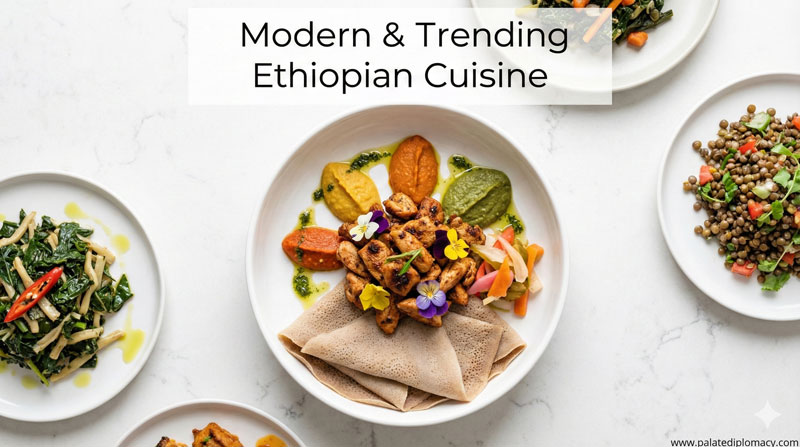
Injera forms the heart of the experience. This sour flatbread acts as a natural plate and a utensil. It soaks up sauces and carries flavors from one bite to the next. The staple grain, teff, brings a subtle nuttiness and a sturdy texture. Veggie stews known as wot or wat provide color, aroma, and balance. Think misir wot (spiced lentils), shiro (creamy chickpea flour sauce), and kik wot (split peas). Leafy greens like gomen and carrots add brightness. A dash of fresh tomato, onion, and garlic lifts the dish. A careful blend of berbere and other spices ties everything together with warmth and depth. The bowls are often finished with a squeeze of lemon for brightness and a touch of olive oil for sheen.
Flavor Profiles and Techniques
These bowls shine through contrast. Creamy, savory, tangy, and herbal notes mingle harmoniously. Berbere brings a smoky, peppery punch, while garlic, onion, and tomato add sweetness and depth. Slow-simmered wots release complex flavors, while bright vegetables keep the meal lively. The technique values patience and layering: simmering legumes until tender, then layering sauces and greens on injera. Each bite delivers a balance of textures—soft stew, chewy injera, crisp greens, and silky sauces. The result is a culinary chorus that feels both rustic and refined.
Cultural Significance of Shared Dining
Sharing a vegan Ethiopian bowl is often a communal act. People gather around a single spread, tear pieces of injera, and scoop with hands. This practice emphasizes hospitality, connection, and generosity. The meal invites conversation and pause, turning everyday cooking into a moment of togetherness. It reflects a cuisine that honors seasonality, sustainability, and the joy of eating well with others. The bowls capture a sense of belonging that many food lovers seek in every culture.
Regional Variations and Seasonal Touches
Around Ethiopia, cooks adapt bowls to reflect regional ingredients. Some regions highlight different legumes or greens based on what’s fresh. Teff injera can vary in texture and tang, offering subtle differences from kitchen to kitchen. Seasonal vegetables add color and vibrancy. These variations remind us that vegan Ethiopian bowls are not a single recipe, but a family of recipes that share a common spirit: reverence for plants, balance, and communal eating.
The Craft Behind Home and Market Creations
In homes, preparing these bowls blends practical skills with artistry. Soaking, simmering, and tasting are common steps. At markets, ready-made injera and fresh produce invite cooks to assemble bowls quickly while preserving tradition. The craft lies in tasting and adjusting—balancing spice, sourness, and salt to suit the day’s produce and the cook’s mood. This crafteroom of flavors makes vegan Ethiopian bowls approachable for home cooks and exciting for food lovers to explore.
Nutritional and Culinary Significance
The bowls offer a nutritious, plant-forward profile. Lentils, chickpeas, greens, and teff provide protein, fiber, iron, and minerals. The spices stimulate the palate without overpowering the ingredients. The combination supports mindful eating and everyday wellness. The bowls prove that tradition and health can walk hand in hand, each reinforcing the other with careful preparation.
Tips for Recreating the Experience at Home
- Start with good injera or a dependable store-bought option. If you make injera, patience in fermentation pays off.
- Build a small set of core wots: a lentil-based, a chickpea-based, and a green vegetable option.
- Layer flavors gradually. Sauté onions and garlic, add spices, then simmer with tomatoes for depth.
- Balance heat and tang. A touch of mild chili and a squeeze of lemon lift the dish.
- Keep greens bright. Add them near the end to preserve color and crunch.
- Serve with a shared mindset. The joy comes from gathering, not just from the bowls themselves.
Why This Dish Resonates Today
Vegan Ethiopian bowls embody a universal love for plant-powered meals. They celebrate careful preparation, seasonal produce, and social dining. The flavors feel modern in their boldness yet timeless in their primal appeal. They invite curiosity, inviting diners to sample a tapestry of textures in one confident bite. The dish remains inviting, respectful, and profoundly rooted in food culture.
Conclusion
Top Reasons Ethiopians Love Vegan Ethiopian Bowls shows how a simple plate can carry a rich cultural footprint. The bowls honor tradition, celebrate plant-based ingredients, and welcome people to share in a meal that is warm, flavorful, and deeply satisfying. If you seek a dish that blends heritage with culinary artistry, this is a compelling and delicious place to start.