
Introduction
Coconut rice is a treasured dish in Nigeria. It welcomes with a warm aroma and a creamy, comforting texture. It travels easily from busy weekday kitchens to festive weekend gatherings. The dish speaks to care, hospitality, and everyday joy. In this post, we explore the cultural value and culinary significance of coconut rice in Nigerian life.
Aromatic Heart
The dish centers on coconut milk and fragrant spices. The milk brings a gentle sweetness and a rich, silky mouthfeel. Onions, garlic, and a touch of thyme or curry deepen the aroma. When the pot releases steam, the kitchen feels inviting and alive. The scent alone can spark conversations and smiles.
A Dish of Hospitality
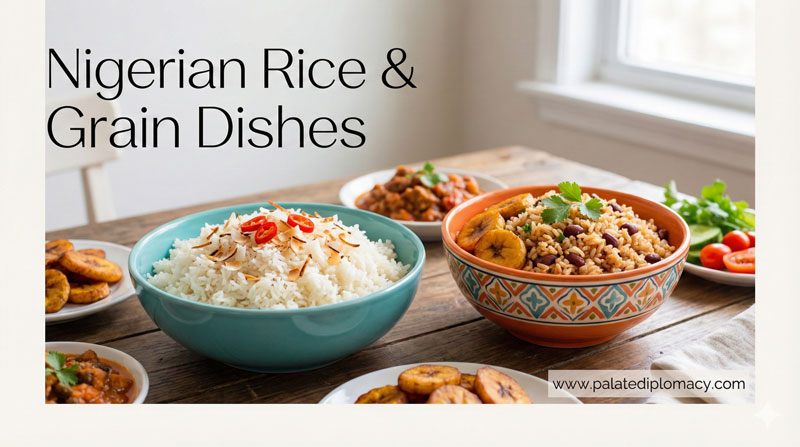
Coconut rice often appears when friends and family gather. It is the kind of dish shared in large bowls or heirloom pots. Serving it signals welcome and togetherness. It pairs with stews, grilled meats, or fresh salads, making room for many voices at the table. The act of serving coconut rice embodies the spirit of communal meals.
Regional Threads
Coastal towns and inland markets both celebrate coconut rice. In coastal Nigeria, coconut milk and grated coconut are common, enriching rice with a sunlit sweetness. Across the country, cooks adapt the dish with local herbs and spices, creating subtle regional flavors. The result is a flexible dish that honors both tradition and personal taste. Its versatility mirrors the diversity of Nigerian Food Culture, where rice becomes a canvas for shared memories.
Preparation as Tradition
The essence lies in patient simmering and careful balance. Coconut milk blends with stock to flavor the rice gently. A hint of pepper, garlic, and onions adds warmth without overpowering sweetness. Some homes include curry powder, thyme, or bay leaves for depth. Grated coconut or coconut oil may enrich the dish, lending texture and brightness. Across households, the method honors time-tested rhythms of the kitchen and the cook’s artistry.
Pairings and Serving
Coconut rice shines with a variety of accompaniments. Fried plantains add a sweet contrast. Grilled chicken, beef, or fish offer savory balance. A bright pepper sauce or a simple tomato stew can lift the flavors, while fresh vegetables provide crunch. This combination makes coconut rice a flexible centerpiece for everyday meals and special occasions alike.
A Cultural Moment
Beyond nourishment, coconut rice carries memory and belonging. It appears in conversations after a meal, in photos of family gatherings, and in the quiet joy of sharing a plate. The dish reflects values of hospitality, warmth, and careful preparation. It celebrates the everyday beauty of Nigerian cooking and the simple happiness of a well-made meal enjoyed together.
Conclusion
Coconut rice stands as a graceful thread in Nigerian food culture. Its creamy texture, fragrant aroma, and adaptable nature invite people to gather and celebrate daily life. The dish embodies hospitality and shared pleasure, enriching meals with memory and meaning.