
Why Fufu Holds a Special Place in Nigerian Cuisine
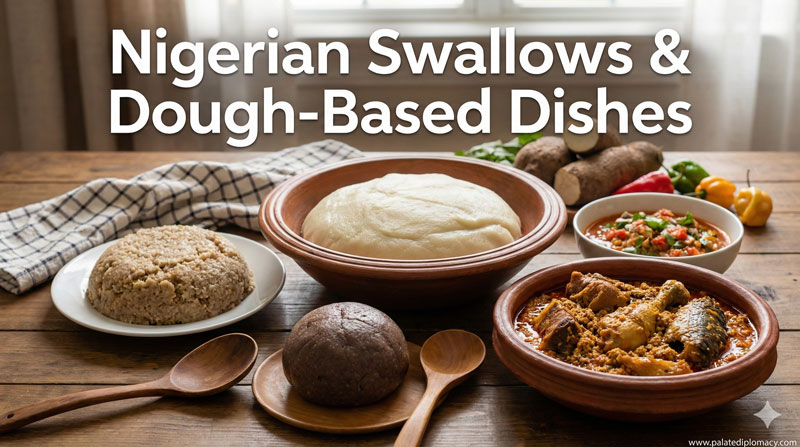
Fufu is more than a dish in Nigeria; it is a woven thread in daily life. Its smooth, elastic texture invites careful shaping and joyful sharing. People celebrate fufu for its comforting presence and its ability to bring flavors and stories together at the table.
Reason 1: Comfort in Texture and Mouthfeel
The first thing many Nigerians notice is the texture. Fufu is silky and cohesive, yet firm enough to hold its shape. When rolled into a small ball and dipped into soup, the sensation on the tongue feels grounding and reassuring. This mouthfeel has made fufu a trusted comfort food across generations.
Reason 2: The Perfect Pairing with Rich Soups
Fufu shines beside hearty soups like Egusi, Ogbono, and Okra. The neutral starchy base lets the soup flavors take center stage, while still enriching each bite. Diners enjoy the balance of mild sweetness and subtle sour notes from fermentation. The pairing is a staple that showcases the skill of both fufu and soup makers.
Reason 3: A Tradition of Shared Meals
Mealtime is a moment for togetherness. Families gather around a shared bowl or plate, passing fufu from hand to hand. This practice emphasizes care, patience, and attentiveness to others at the table. The act of sharing reinforces bonds that families cherish.
Reason 4: A Bridge to Family Heritage
Recipes travel through generations, adapted by each household. The way a grandmother shapes fufu can reflect local methods and family stories. Preparing fufu becomes a respectful nod to ancestors and a living link to heritage. This continuity adds meaning beyond flavor alone.
Reason 5: Regional Variations and Local Ingredients
Across Nigeria, fufu can be made from cassava, yams, plantains, or other starchy roots. Each region brings its own touch, influencing texture and aroma. These variations highlight the diversity within a single dish. They invite cooks to celebrate local crops and seasonal harvests.
Reason 6: Accessibility and Everyday Presence
Fufu is reachable for many households, using common ingredients. Its preparation often fits into daily routines, not just special occasions. This accessibility makes fufu a reliable centerpiece for countless family meals. It stands as a staple that many people can rely on with confidence.
Reason 7: Craft and Skill in Preparation
There is artistry in shaping fufu by hand, whether pounding or kneading until the dough shines. The careful motion, timing, and rhythm matter, yielding the perfect elasticity. Skillful preparation elevates fufu from food to craft, admired by cooks and diners alike.
Reason 8: Celebrations, Festivals, and Seasonal Dinners
During celebrations and feast days, fufu often appears as a unifying dish. It welcomes guests and marks special moments with warmth. In these settings, fufu carries festive meaning, reinforcing hospitality and shared joy. The dish becomes a symbol of welcome and good fortune.
Fufu’s appeal in Nigerian culture is clear. It blends texture, taste, and togetherness into a dining experience that honors family, region, and everyday life. With every bite, it invites you to savor a tradition that continues to thrive at the heart of Nigerian Food Culture.