
Top Reasons Nigerians Love Eating Suya
Suya is more than a snack. It is a color-filled invitation to share a moment of warmth, flavor, and friendship. The dish stands at the crossroads of street drama and homey comfort, a vivid expression of Nigerian culinary spirit. in the pages that follow, we explore why suya holds a special place in The Heart of Nigerian Food Culture, and why its simple skewers carry such deep meaning.
The Craft Behind Suya
The beauty of suya begins with the choice of meat and the care in preparation. Beef, goat, or chicken is cut into bite-sized pieces and threaded onto bamboo skewers. The meat rests with a spice rub that blends the earthy warmth of ground peanuts, paprika, chili, salt, and a fragrant mix of spices. The rub inspired by tradition coats each piece, preparing it for the flame. The process is precise, yet it invites improvisation, allowing cooks to tailor the level of heat and smoke to the moment. The result is a balance of tenderness and bite that invites a second skewer, then a third.
The Spice Symphony
A defining feature of suya is its spice blend, or yaji. The aroma comes from roasted peanut powder and a chorus of peppers and spices. The blend hits the tongue with warmth, a touch of sweetness, and a pleasant peppery kick. The peanuts contribute a nutty richness, while the spices offer brightness and depth. This flavor profile travels beyond simple heat; it carries a toasty, almost caramelized note from the roasting process. The spice symphony makes each bite feel intentional, crafted, and deeply satisfying.
The Sizzle and Aroma
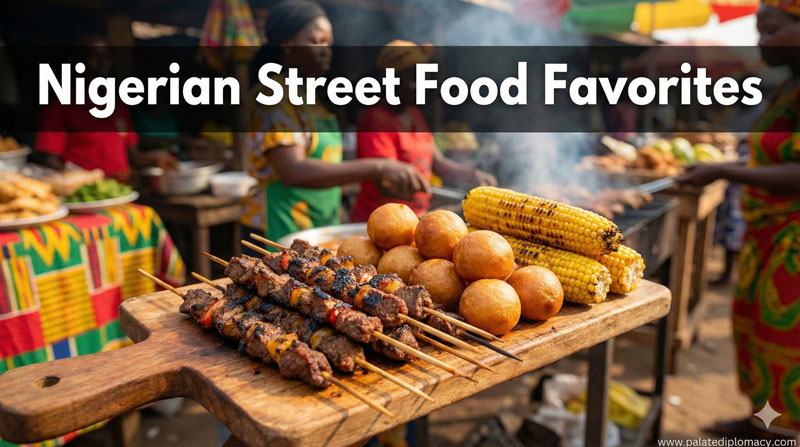
Charcoal fires give suya its signature scent. As the skewers spin over glowing embers, the surface of the meat caramelizes and seals in juices. The air fills with a smoky perfume that lingers long after the last bite. This aroma acts as a welcome mat, signaling a moment of shared enjoyment. The sensory moment—sound, smell, and sight—connects cook and eater in a simple, joyful hello.
A Social Favorite
Suya thrives in social spaces. Market corners, street stalls, and evenings with friends become informal gathering spots. People greet neighbors, exchange stories, and savor a few skewers while sipping cool drinks. The dish is as much about conversation as it is about flavor. In these moments, food becomes a social glue, a way to celebrate ordinary days together. This communal aspect is a core reason for suya’s enduring appeal.
Tradition in Every Bite
The method and seasonings reflect local memory and culinary pride. Each cook may bring a hint of their family’s recipe, a regional preference, or a personal touch to the spice mix. Yet the essence remains clear: suya is a celebration of simple ingredients transformed through fire, patience, and care. The dish honors craft, resilience, and the joy of sharing a hot, flavorful meal with others. This sense of tradition strengthens how people feel about suya, making it more than a dish and more of a cultural ritual.
Pairings and Serving Traditions
Suya is commonly enjoyed with fresh onions, tomatoes, and cucumbers, which provide crisp contrast and brightness. A squeeze of lime or a wedge of ripe fruit can brighten the palate between bites. Some serve suya with a slice of bread to soak up the juices and spice, while others enjoy it with pepper sauce for an extra layer of heat. These simple accompaniments enhance the experience and illustrate how flexible the dish can be, fitting into many moments of everyday life.
How Suya Shapes Everyday Experience
Because suya is accessible and quick to prepare, it fits naturally into busy days and relaxed evenings alike. It can be a quick lunch, a casual dinner, or a late-night treat after a long day. The dish invites experimentation, too: different meats, new spice blends, or varied roasting times can yield fresh yet familiar flavors. This adaptability makes suya a versatile staple in Nigerian food culture, able to accompany a wide range of moods and occasions.
Respect for Craft and Modern Flavors
Today’s kitchens honor tradition while welcoming modern sensibilities. Chefs and home cooks alike explore new spice blends, healthier preparations, and creative pairings, all while keeping the core idea intact: meat kissed by spice and fire, shared with others. The continued evolution of suya shows how a beloved classic can stay relevant, delicious, and welcoming to new tastes, without losing its cultural roots.
Conclusion
Suya stands as a vibrant testament to Nigerian culinary artistry and hospitality. Its flavorful balance, aromatic roast, and social essence make it more than a meal; it is a celebration of community, craft, and the joy of sharing good food. Whether enjoyed from a street stall or at a family table, suya invites everyone to experience the warmth and wonder of Nigerian food culture.