
Introduction
Egusi soup stands as a vibrant thread in Nigerian Food Culture. It travels from bustling markets to cozy family kitchens and bright table settings. Across communities, it signals welcome, care, and a shared story told through taste. The dish blends nutty richness, bright heat, and comforting textures into a single bowl. It invites conversation, generosity, and a sense of belonging. In this post, we explore the cultural value and culinary significance of egusi soup with an inviting, respectful lens. We focus on how the dish nourishes both body and spirit, and how families and communities make it their own.
What is Egusi Soup?
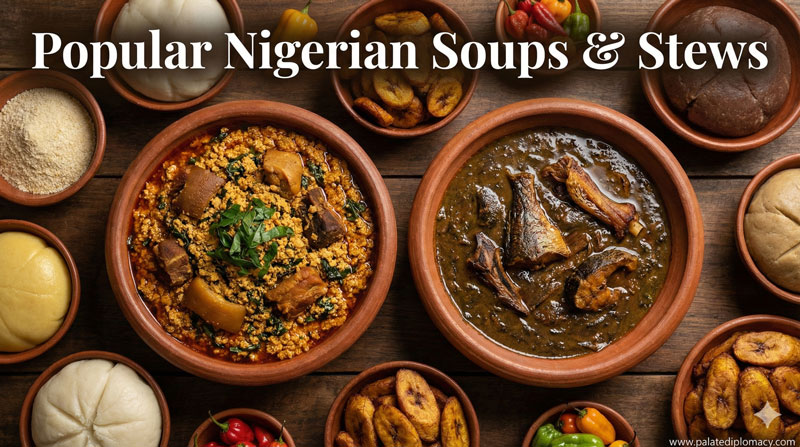
Egusi soup is built around ground melon seeds, known as egusi. These seeds are mixed into a paste and simmered with palm oil for depth and brightness. The base also includes stock, meat or fish, and a mix of spices. Leafy greens such as spinach, ugu (pumpkin leaves), or bitter leaf brighten and balance the dish. The result is a thick, creamy stew with a nutty bite and a savory backbone. Common accompaniments are fufu, pounded yam, or eba, which are used to scoop up the soup. The preparation is adaptable, allowing cooks to adjust richness, spice, and texture to fit family preferences. The dish holds steady as a comforting staple that travels well from home kitchens to festive gatherings.
Top Reasons Nigerians Love Egusi Soup
- Comfort and familiarity: The nutty depth and familiar flavors create a sense of home and warmth.
- Hospitality and sharing: Preparing egusi soup is a gracious act that invites others to the table.
- Family tradition: Recipes are passed down with care, carrying memories of Sundays, celebrations, and daily life.
- Flavor versatility: The dish adapts to different greens, proteins, and heat levels, making it endlessly approachable.
- Nutritional richness: The blend of seeds, greens, and protein provides satisfying energy.
- Pairing harmony: It pairs beautifully with fufu, pounded yam, or eba, enhancing a shared eating experience.
The Craft: Preparing Egusi Soup
The process centers on balance and patience. First, egusi paste is formed and warmed in palm oil to bloom its aroma. Then, stock, meat or fish, and peppers are added to build a deep, layered base. The greens are introduced toward the end to maintain their color and fresh bite. Cooks adjust thickness by adding more stock or blending part of the egusi for a smoother texture. Seasoning brings in salt, stock cubes, onions, and sometimes dried crayfish for a subtle oceanic note. The result is a soup that holds its shape when scooped with a starchy companion. The method rewards careful timing and attention to texture and flavor development.
Serving Traditions and Pairings
Egusi soup shines when served with a traditional accompaniment. Fufu, pounded yam, and eba are the classics, each offering a unique experience of the same sauce. Diners often break a small portion of the starch, dip it into the soup, and lift a bite to the mouth in a satisfying bite. The practice emphasizes sharing and togetherness. In many homes, a bubbling pot on the stove signals a gathering, a time for conversation, laughter, and connection. A glass of water or light beverage completes the meal, inviting a calm moment after a rich bowl. The serving ritual reinforces hospitality and the social pleasure of dining.
Regional Flavor Notes
Egusi soup travels across Nigeria, and families adapt it to local tastes. Yoruba households may favor a slightly sweeter note from certain peppers and herbs, while Igbo kitchens might lean into a more robust meat or fish profile. Some cooks weave in bitter leaf or spinach to vary texture and color. The choice of greens, meat, and fish reflects the season and the kitchen’s pantry. Across regions, the core idea remains the same: a hearty, communal dish built around egusi paste, palm oil, and a nurturing sense of sharing.
Conclusion
Egusi soup embodies a celebration of flavor, skill, and communal life. It stands as a flexible, nourishing dish that families craft with care and pride. Its nutty richness, vibrant greens, and comforting texture invite people to linger at the table and tell their stories. In this way, egusi soup is more than food; it is a living part of Nigerian culture, inviting generosity, celebration, and connection with every spoonful.