
Introduction: A warm welcome to Egusi Soup
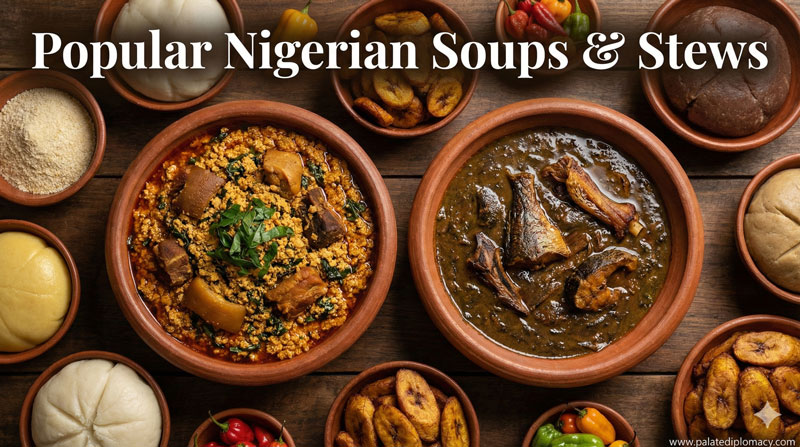
Egusi soup sits at The Heart of Nigerian kitchens. It is a dish many families prepare with care and pride. Its aroma signals a gathering, a moment to share stories, and a sense of belonging. The soup blends texture, color, and depth in a way that feels both comforting and celebratory. In this post, we explore why Nigerians Love Eating egusi soup for its cultural value and culinary significance.
The star ingredient: egusi seeds and their magic
Egusi seeds give the soup its rich body. They are toasted, ground, and stirred into the pot. The seeds act as a natural thickener, giving a creamy texture without heavy dairy. Palm oil adds its warm, orange glow and a gentle sweetness. The balance of egusi, oil, peppers, and stock creates a signature mouthfeel that is both smooth and satisfying. This combination travels well across households, preserving the dish’s character from one kitchen to another.
Regional flavors that shape the dish
Across Yoruba, Igbo, and Hausa cooking, egusi soup wears different costumes. Some versions favor leafy greens like spinach, pumpkin leaf (ugwu), or bitter leaf. Others lean toward light meat stock or dried fish for depth. The choice of greens, meat, and fish reflects local tastes and seasonal abundance. Yet the core of egusi remains recognizable: the nutty seed paste, the glossy oil, and the savory broth. This versatility invites families to adapt it while keeping the essence intact.
Hospitality and the social fabric of sharing
Sharing egusi with others is a meaningful gesture. A pot of egusi signals welcome and care. Guests are offered generous portions, served with warmth. In many homes, meals are relaxed, with conversations flowing as the soup steams. The act of feeding others strengthens bonds. It is not just about sustenance; it is about generosity, kinship, and daily joy.
Technique that honors tradition
Cooks begin with careful preparation: toasting and grinding the seeds, heating the oil, and building depth with onions, peppers, and stock. The simmering stage blends flavors until the soup thickens to the perfect consistency. Throughout, cooks taste and adjust salt, heat, and texture. The result is a sauce that clings to fufu, pounded yam, or other staples, delivering a satisfying bite every time.
Texture, balance, and sensory delight
Egusi soup shines in texture. The seeds create body and a slightly granular feel, balanced by smooth oiliness. The peppers bring brightness and a light heat. The greens add freshness and a gentle bite. This textural harmony invites careful scooping and savoring. When spooned over fufu or yam, the dish becomes a comforting, multisensory experience.
Common accompaniments and serving styles
Traditionally, egusi is enjoyed with fufu, pounded yam, or semovita. Some families pair it with garri for a lighter pairing. The choice of accompaniment shapes the eating experience, from hearty comfort to refined savor. A side of vegetables or a squeeze of lime can brighten the plate and offer a fresh contrast.
A dish for daily life and festive moments
Egusi soup is both everyday nourishment and a dish for special occasions. It travels through weekday meals and ceremonial gatherings with equal grace. Its presence signals careful preparation, gratitude for ingredients, and a sense of continuity. The dish thus embodies a quiet celebration of food, family, and Nigerian culinary heritage.
Why egusi soup endures in Nigerian kitchens
The dish endures because it is adaptable, flavorful, and deeply communal. It welcomes different greens, proteins, and regional preferences while preserving its recognizable core. It also travels well in memory—how a kitchen smells, how a family shares a bowl, how friends gather after work. These patterns keep egusi soup alive in homes and hearts alike.
Conclusion: A timeless celebration of flavor and culture
Egusi soup is more than a recipe. It is a living expression of Nigerian culture, where nourishment and hospitality meet artistry. The dish invites cooks to honor tradition while embracing variation. In every pot, there is a sense of place, a story of ingredients, and a quiet invitation to come together. For many Nigerians, egusi soup remains A Beloved centerpiece—delightful, comforting, and forever part of the food landscape.