
Top Reasons Nigerians Love Eating Fish Roll
Fish roll stands out on Nigerian tables as more than a snack. It’s a tasty reflection of shared moments, skillful cooking, and a culture that values warmth and hospitality. In this post, we explore the cultural value and culinary significance behind this Beloved Dish, highlighting why it holds a special place in everyday life.
A Bite that Echoes Nigerian Hospitality
First, fish roll embodies the spirit of hospitality. When friends, family, or neighbors gather, a plate of fish roll signals welcome and generosity. The act of sharing a warm snack creates an easy bridge between conversations and laughter. It’s something you can offer to guests at a doorstep, in a market line, or after a service, and the response is almost always a smile and a compliment. This social role is a key reason the dish remains popular across generations.
Craft and Care: The Heart of the Filling
Next, the heart of fish roll lies in the filling. Cooks select flaky, white fish, then flake it into tender pieces. They season it with onions, peppers, garlic, and a blend of herbs. A touch of thyme and curry powder or paprika adds warmth without overpowering the fish. Some cooks mix in mashed potatoes or mashed yam for body and binding, ensuring each bite is cohesive. The result is a savory filling that carries aroma and depth, making the dish satisfying from the first bite to the last crumb. The care that goes into balancing salt, spice, and moisture reflects a culinary tradition that honors patience and attention to detail.
The Art of the Pastry: Light and Crispy
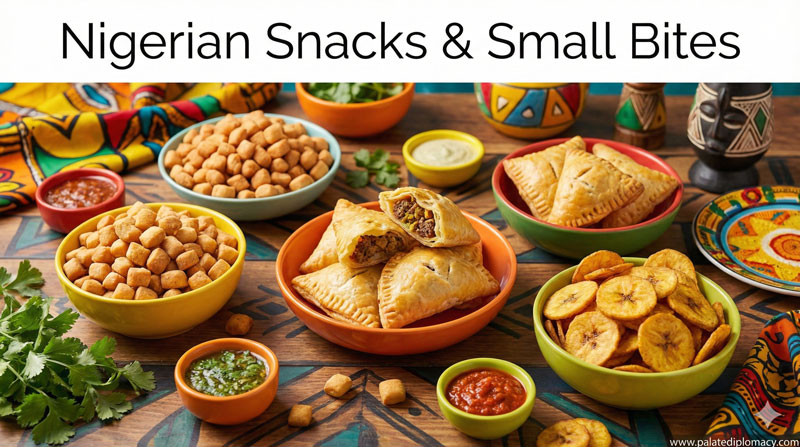
Moreover, the pastry plays a crucial role in delivering a complete sensory experience. Traditional fish roll uses a light, crisp pastry that envelopes the moist filling. The pastry should be thin enough to crackle at the edges, yet sturdy enough to hold the filling without tearing. When fried to a golden hue, the exterior offers a gentle crunch that contrasts with the tender interior. This contrast in texture is a hallmark of the dish and a source of repeated delight for cooks and eaters alike.
Flavor Harmony: Fresh, Spiced, and Bright
Additionally, flavor balance is central to the dish’s appeal. The filling carries a bright kick from peppers and herbs, tempered by the natural sweetness of the fish. Onions provide a mellow sweetness, while garlic adds a clean sharpness. The result is a harmonious mouthfeel where each element supports the others. The overall profile tends toward comforting and familiar notes, making fish roll accessible to many palates across Nigeria.
A Versatile Snack That Fits Many Settings
Furthermore, fish roll adapts to many settings, which strengthens its cultural presence. It is a staple in street markets, where vendors prepare the rolls fresh throughout the day. It appears in homes as a quick, economical snack, and it makes its way onto trays at family gatherings and casual celebrations. This versatility reinforces its status as a reliable option for feeding friends and family, no matter the occasion.
Regional Touches: Variations that Tell Local Stories
Regional variation adds texture to the national story of fish roll. In some cities, cooks lean into a curry-forward filling for a warmer, aromatic character. Others emphasize pepper heat or add local aromatics like fresh herbs native to the area. Some bakers or vendors experiment with the pastry, choosing lighter or crisper wraps to create different first bites. These small choices carry identity, turning a familiar dish into a Local delight that speaks to community tastes and family recipes.
Social Scenes: Markets, Gatherings, and Weekend Rituals
In daily life, fish roll often accompanies social rituals. It may be among quick bites during market visits, a convenient item for a long bus ride, or a useful snack for a Sunday afternoon gathering. Families enjoy it as a treat after religious services or as a simple, satisfying option during weekend breaks. The dish travels well, yet it remains deeply rooted in the places where people meet and talk, reinforcing communal ties and shared experiences.
Serving Style and Pairings: Simple Yet Thoughtful
When it comes to serving, simplicity shines. A plate of fish roll is commonly enjoyed with a simple dip or sauce, such as a bright pepper sauce or a light tomato-based accompaniment. Some prefer a splash of lime juice to brighten the flavors, while others reach for a cooling beverage like zobo or a refreshing juice. The pairing choices are unobtrusive, allowing the fish roll’s flavors to stay front and center while enhancing the overall dining moment.
Freshness, Quality, and Care for Tradition
Quality matters in every kitchen that values fish roll. Fresh fish delivers cleaner flavor, and careful handling preserves moisture and tenderness. Oil temperature is important during frying: too cool, and the roll feels greasy; too hot, and the pastry browns too quickly while the filling remains underdone. Cooks rehearse their craft with attention to timing, temperature, and technique. This dedication to quality is part of the dish’s cultural respect for good cooking and reliable, enjoyable meals.
A Moment to Reflect: Why It Endures
Finally, the endurance of fish roll can be traced to its ability to fit into a busy yet rewarding lifestyle. It offers a satisfying, ready-to-eat option that does not demand elaborate preparation. At the same time, it invites cooks to improvise, to honor family recipes, and to share stories with each bite. Because it blends convenience with care, it remains a favorite across generations.
Closing Thoughts: A Celebration of Flavor and Community
In summary, fish roll is more than a snack. It is a reflection of Nigerian love for good food, thoughtful preparation, and warm hospitality. Its filling carries the heart of home and the skill of the cook, while the pastry delivers a joyful crunch. Across markets, homes, and gatherings, fish roll reminds us of the beauty in everyday cooking and the joy of sharing a well-made bite. By embracing its cultural value and culinary significance, we celebrate not only flavor but the moments of connection that food makes possible.