
Top Reasons Nigerians Love Eating Suya
Suya is more than a snack. It is a beloved symbol of Nigerian street Food Culture. In this post, we explore the Top Reasons Nigerians Love Eating Suya and what makes it a culinary and cultural treasure. The flavor invites curiosity, and the tradition invites conversation. Let’s walk through what makes suya special.
What Suya Is
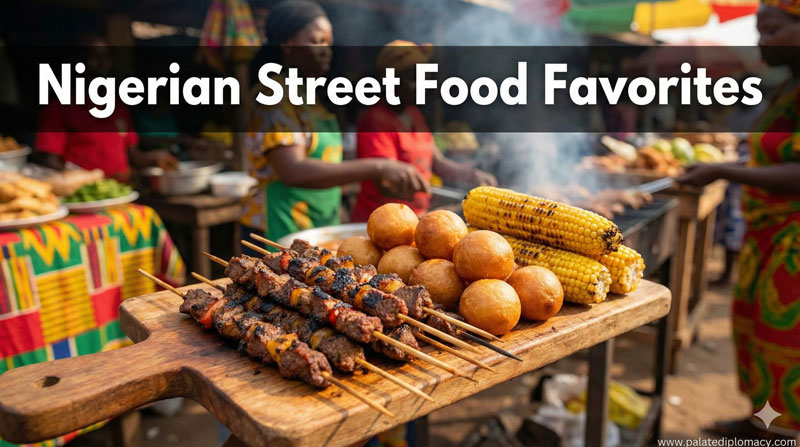
Suya is skewered meat grilled over charcoal. It is finished with a dry spice mix called yaji. Common meats include beef, goat, lamb, and chicken. The meat is usually cut into bite-sized pieces and threaded onto skewers. People savor suya at night markets, street corners, and family gatherings. The aroma alone signals a moment of sharing.
The Spice That Defines Suya: Yaji
Yaji is the signature of suya. It blends ground peanuts with chili peppers and a blend of spices. Some versions add ginger, garlic, and salt for depth. The result is a crust that is nutty, warm, and slightly spicy. As the meat cooks, the yaji caramelizes and clings to each piece. The spice pad also forms a savory layer that remains on the palate between bites.
A Grilled Masterpiece: Technique and Flavor
Suya shines in technique as much as in taste. Vendors brush the meat with a light coating, thread it onto flat skewers, and place it over hot charcoal. The meat cooks quickly, turning to develop a crisp edge and juicy center. The smoke from the charcoal adds a comforting, layered aroma. The final bite feels balanced: nutty, peppery, and satisfying.
Suya and Community: Social and Cultural Value
Suya thrives where people come together. It is a staple at night markets, street corners, and neighborhood hangouts. Friends share a plate, exchange smiles, and swap stories while eating. The practice of sharing suya strengthens a sense of community and belonging. It creates little rituals—who picks the first bite, who orders extra onions, who finishes the last piece. These moments are part of everyday life.
Regional Varieties: Kano, Lagos, and Beyond
Different regions bring subtle differences to suya. Some places favor a bit more heat, others a more pronounced peanut flavor. The size of the skewers and the preparation of accompaniments can vary. Yet the core of suya remains the same: grilled meat with a peanut-based spice crust. This consistency across regions highlights suya’s wide appeal.
The Sides and Traditions: Accompaniments
Suya is often served with fresh onions, sliced tomatoes, and cucumber. A squeeze of lime or a small pepper sauce can brighten the plate. Some people enjoy flatbreads or soft snacks on the side to balance the heat. The accompaniments honor the dish’s street-food roots while adding color and crunch to every bite.
Why It Endures: Timeless Appeal
Suya endures because it is quick, flavorful, and versatile. It works as a snack, a light meal, or a social treat. The preparation rewards patience and skill, yet the result remains accessible. Its aroma draws people in, inviting conversation and shared enjoyment. In this way, suya becomes a small but meaningful celebration of everyday life.
How to Create a Suya Moment at Home
To recreate a suya moment, choose your meat and cut it into skewers. Coat the pieces with a peanut-spice mix and let them rest briefly. Grill on a hot surface or outdoor grill until the crust is golden and the meat is cooked through. Turn the skewers to ensure even charring. Serve with onions, tomatoes, and cucumbers. Enjoy the aroma and share the first bite with someone nearby.
Suya stands as a bright thread in Nigeria’s culinary tapestry. It blends simple ingredients with a practiced ritual, turning a meal into a memory. The beauty of suya lies in its balance: a bold yet approachable flavor, a social rhythm, and a craft that invites both cooks and eaters to pause and celebrate.