
Top Reasons Nordic Locals Love Pickled Herring
Pickled herring is more than a dish. It is a everyday companion at markets, homes, and holiday tables across Nordic regions. Its bright tang, delicate salt, and clean sea notes weave together water, land, and craft. This post explores its cultural value and culinary significance with a warm, welcoming voice.
The Taste and Texture That Tell a Story
The first bite is crisp and bright. The brine delivers a clean bite of vinegar, salt, and a hint of sweetness. A soft, pliant fillet slides smoothly, then a touch of onion or spice adds a crisp finish. This balance is gentle yet memorable. The flavor profile invites conversation about where the fish comes from and How It was prepared. In Nordic kitchens, the relationship between preservation and freshness shines through in every jar, every plate.
The Craft Behind the Brine
Pickling is a craft passed along with care. Simple ingredients—water, salt, sugar, and vinegar—become a vessel for regional nuances. Some brines lean sharp and zesty; others lean toward mellow and sweet. Spice blends vary, with mustard seeds, bay leaves, allspice, and peppercorns showing up in different households. The process honors patience: steady brining, careful tasting, and thoughtful timing. When done right, the herring keeps its shape, its texture, and its ocean-silence of origin.
Regional Variations Across Nordic Lands
Nordic countries share a love for pickled herring, yet each brings its own voice. In one place, the brine favors a tangy, bright finish that pairs beautifully with rye bread. In another, a sweeter, milder note echoes around dill and onion. Some kitchens favor whole filets; others prefer delicate fillets sliced thin. These variations create a musical map of regional palate preferences that are easy to explore. The result is a dish that feels local, even when shared across borders in markets and family meals.
Everyday Meals and Special Moments
Pickled herring lives in the everyday as well as at special moments. It appears on breakfast plates, open-faced sandwiches, and simple dinners after a long workday. It also makes a frequent appearance at seasonal gatherings and festive tables, where the bright flavor acts as a reliable, welcoming bridge between courses. The dish is friendly to the pace of Nordic life: quick to prepare, versatile in pairing, and enduring in memory.
Pairings That Complement and Elevate
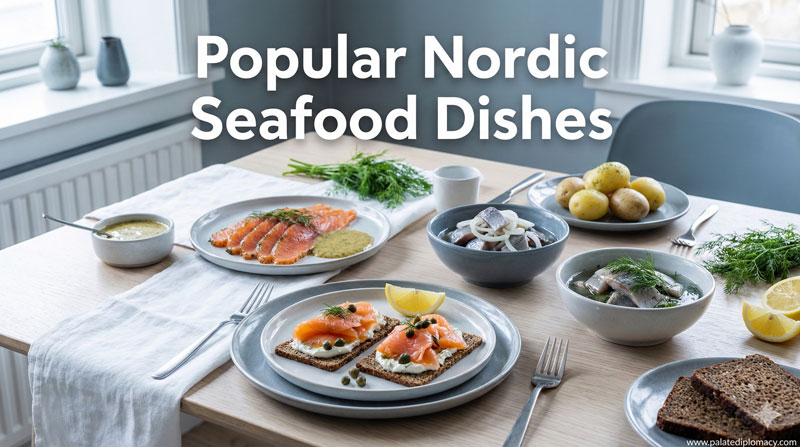
A well-rounded plate helps the herring sing. Rye bread or crispbread adds a sturdy, earthy counterpoint. Boiled potatoes offer a gentle, comforting starch. Thinly sliced onions bring sharp bite, while fresh dill or chives add green brightness. A dollop of sour cream or a light beet salad can round the flavors with a creamy or earthy note. When served with a cool beverage, the contrast between the briny fish and the drink’s freshness becomes a pleasant ritual for many households.
Cultural Value: A Bridge Between Sea and Table
Pickled herring embodies a practical elegance in Nordic Food Culture. It demonstrates how a simple method—brine, patience, balance—can translate sea harvest into a reliable pantry staple. This dish travels well from market stall to home kitchen, reinforcing the idea that culinary culture is built on everyday acts of care. Families pass down tips for brine adjustments and serving ideas, keeping the practice alive across generations. The result is a shared language of taste that connects cooks with the sea and with one another.
Preservation, Craft, and Respect for the Sea
The practice of pickling highlights responsible use of seasonal seafood. When the catch is bountiful, preservation extends freshness and reduces waste. This approach honors the sea’s gifts while maintaining an approachable option for meals. The method itself can be simple or intricate, but the outcome remains a bright, satisfying dish that respects the source and the cook’s skill. For many, this relationship with preservation is a daily reminder of patience, balance, and gratitude.
A Gentle Invitation to Explore Nordic Food Culture
If you are curious about Nordic flavors, pickled herring offers a gentle introduction. It asks for curiosity, not complexity, and rewards exploration with small discoveries in texture, aroma, and pairing. Start with a basic brine, a few onion slices, and a slice of rye. Then broaden your tasting with regional variations, and notice how the dish adapts to different tastes while maintaining its core identity. In this way, pickled herring serves as an accessible doorway into the wider landscape of Nordic culinary culture.
Closing Thoughts: A Timeless, Inviting Dish
Top Reasons Nordic Locals Love Pickled Herring come down to texture, technique, and tradition. The dish is both simple and sophisticated, a daily pleasure and a stage for shared meals. Its cultural value lies in how it brings people together around a table, how it connects sea harvest with home kitchens, and how it remains relevant in changing times. In every bite, there is a story of the coast, the cook, and the care that keeps Nordic food warm and inviting.