
Introduction
Chicken Karahi is a bright, fragrant dish that often sparks joy at the dining table. It blends a lively, tomato-driven sauce with succulent chicken and aromatic spices. This dish shines in homes, markets, and gatherings alike, where the aroma travels before the plate does. It stands as a vibrant page in the story of everyday cooking, inviting everyone to savor a moment of warmth, conversation, and shared flavor. In this blog, we celebrate its cultural value and culinary significance, staying focused on how the dish shapes and strengthens food traditions.
What is Chicken Karahi?
Chicken Karahi is named for the wide, circular metal pan called a karahi or kadai. The pan helps the sauce bloom quickly, delivering a lively edge to every bite. Core components are simple: bone-in or boneless chicken, ripe tomatoes, green chilies, garlic, and ginger, all seasoned with a balance of cumin, coriander, chili, and garam masala. Fresh cilantro and a squeeze of lemon or lime often finish the dish. The result is a bright, saucy curry that clings to bread, rice, or a crisp flatbread. The preparation invites cooks to weave technique with intuition, making each kitchen’s version distinct yet recognizably Chicken Karahi.
The Sizzle and the Technique
The hallmark of Chicken Karahi is the moment the pan meets heat. Oil warms, spices awaken, and the chicken browns with a shallow sizzle. Tomatoes break down into a glossy sauce, adding depth and tang. The technique rewards quick, steady stirrings and steady heat, keeping the sauce bright rather than heavy. Fresh aromatics—garlic, ginger, and green chilies—layer in a clean bite. Finishing the dish with fresh herbs closes the aroma in a friendly, inviting way. This cooking rhythm—sear, simmer, finish—defines the dish’s character and sets the tone for How It is shared.
Flavor Profile and Balance
Chicken Karahi thrives on balance. Tangy tomatoes provide acidity that brightens the meat, while spices offer warmth without overwhelming heat. The dish often carries a gentle smoky note from searing and the possible use of whole spices. Garlic and ginger contribute a crisp, clean edge, and fresh cilantro adds a bright, leafy finish. The result is a sauce that is lively yet comforting, bold yet approachable. This harmony makes the dish suitable for everyday meals and special occasions alike.
Cultural Value: Hospitality at the Table
At its heart, Chicken Karahi embodies hospitality. The dish invites friends and family to gather, share aroma, and enjoy a unifying meal. In many households, it is prepared for guests as a gesture of welcome and care. The act of serving a comforting, flavorful karahi says, “You are valued here, and the food will carry you through the moment.” This sense of warmth and generosity is a quiet thread that runs through many food traditions, and Chicken Karahi is a clear example of it at work.
Regional Flair and Variations
Across regions, you’ll find subtle twists that honor local tastes while preserving the core identity of the dish. Some versions lean toward richer tomato sauce, others lean into a crisper bite from higher heat. Some cooks add kasuri methi (dried fenugreek) for a perfumed note; others emphasize a cleaner herb finish with mint. Spices can range from gentle to bold, and whether bone-in or boneless changes the texture and sauce behavior. These variations illustrate how a single dish can adapt to different kitchens while keeping its soul intact.
Serving, Pairings, and the Table Moment
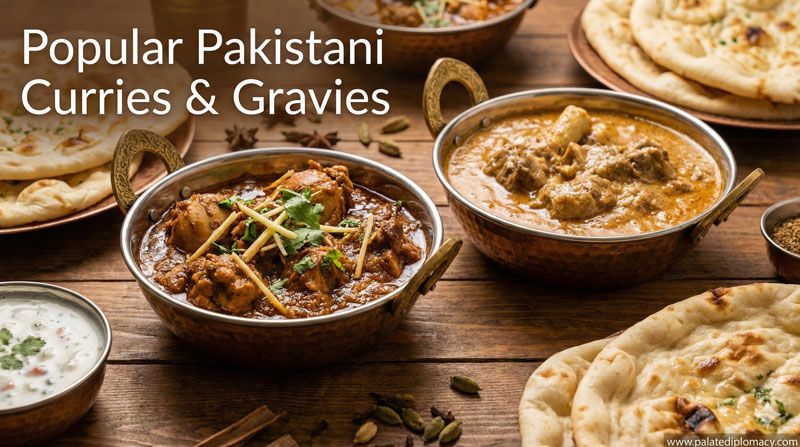
The serving ritual for Chicken Karahi reinforces its cultural role. It is commonly plated with fresh cilantro on top and paired with warm naan, roti, or a bed of steaming rice. A side of cool raita or a crisp onion salad provides a pleasing contrast in texture and temperature. The act of scooping from the karahi and sharing from a common dish fosters conversation, laughter, and a sense of belonging. The table becomes a stage for sensory delight—aroma, color, and the communal rhythm of eating together.
The Craft of the Karahi: Vessel, Craft, and Care
The karahi itself is more than a cooking vessel; it is a symbol of practical craft. Its rounded shape concentrates heat and allows for quick reduction of the sauce, while its sturdy material supports lively cooking sessions. The cook’s steady hand, timing, and attention to spice levels transform simple ingredients into a memorable experience. In many families, the care put into mastering the technique is passed down with affection, becoming a small tradition in its own right.
Top Reasons People Love Eating Chicken Karahi
- The sizzle, aroma, and immediate sense of arrival when the dish hits the table. The moment draws people in and signals a celebration of flavor.
- Bold yet balanced flavors that mingle tangy tomatoes with warm spices, creating a bright, satisfying profile.
- Comfort that feels both familiar and exciting, making Chicken Karahi a beloved staple for everyday meals and special occasions alike.
- Versatility in preparation and heat level, allowing cooks to tailor the dish to different palates and families.
- The social joy of shared plating, where everyone participates in the process of serving and savoring together.
- The connection between technique and tradition, where careful searing, simmering, and finishing touches honor a long-standing culinary craft.
- The way simple ingredients—tomato, spice, herb—become something richer through technique and care.
- The adaptability to pair with a variety of breads and sides, which keeps the dish fresh in different settings.
- A sense of continuity between generations, as stories of cooks and kitchens blend with the aroma of the curry.
Conclusion: A Timeless Favorite
Chicken Karahi stands as a vibrant thread in the tapestry of food culture. It celebrates technique, aroma, and the joy of sharing a well-made dish. Through its sizzle, warmth, and adaptability, it invites people to gather, taste, and appreciate the beauty of a well-prepared meal. Whether served in a bustling market stall or a quiet family kitchen, Chicken Karahi remains a welcoming, respectful homage to nourishment, skill, and the simple delight of eating together.