
Introduction
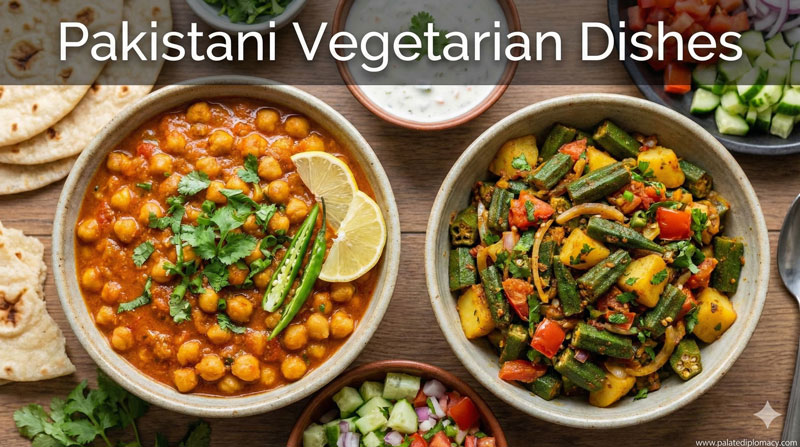
Chickpea curry is a bright, comforting bowl that travels well from stove to table. In this post, we explore the Top Reasons people love eating chickpea curry, with a focus on cultural value and culinary significance. The dish shines because it blends modest staples into a dish that feels festive and familiar at once. It invites curiosity about flavor, color, and technique, while honoring everyday food traditions that many households share.
Flavor and Texture that Deliver Joy
The allure starts with texture. Tender chickpeas hold their shape as the sauce wraps around them. The sauce often blends tomatoes, onions, garlic, and ginger, creating a silky base. Spices like cumin, coriander, turmeric, and garam masala wake the palate with warmth and brightness. A note of chili adds gentle heat, while coconut milk or yogurt brings creaminess. This balance—bright, savory, slightly sweet, and satisfyingly punchy—creates a comforting experience that many people seek after a long day. The result is a dish that feels both humble and celebratory, depending on How It’s plated and served.
Aromatics and Cooking Techniques that Define the Dish
The heart of chickpea curry lies in how it’s built. First, aromatics are sautéed until they bloom, releasing fragrance that signals a good meal is near. Next, spices are toasted briefly to intensify flavor. The chickpeas simmer in a tomato-based sauce that thickens slowly, letting the spices permeate every bite. Fresh herbs, a squeeze of lemon, and a final swirl of coconut milk or yogurt can transform the texture and aroma. Simple, repeatable steps create depth without complexity, making the dish approachable for home cooks and impressive for guests alike.
Regional Variations and Shared Practices
Across kitchens, cooks adapt chickpea curry with local ingredients and preferences. In some places, a tangy tomato base leads the sauce, while others favor creamy coconut milk for a sweeter, richer finish. Fresh herbs such as cilantro, mint, or parsley appear in many versions, adding brightness and color. Pan-roasted spices mingle with onions and garlic to form a confident foundation. Although regional touches differ, the core idea remains the same: chickpeas meet a savory, spice-driven sauce, and the result is a versatile, satisfying curry that travels well and adapts easily.
Serving Suggestions and Pairings
Chickpea curry shines when paired with the right accompaniments. Steamed basmati or jasmine rice lets the sauce pool invitingly, while flatbreads like naan or chapati can be used to scoop up every bit of flavor. A side of crisp salad or pickles adds contrast and freshness. For heartier meals, pair with a lentil dish or roasted vegetables to build A Complete, balanced plate. A dollop of yogurt or a splash of lemon brightens the dish and invites guests to customize the flavor profile to their liking.
Cultural Value: Community, Comfort, and Celebration
This curry carries cultural value through everyday practice and shared meals. Families gather around the stove to simmer a pot and watch the aroma fill the house. Friends come together over bowls of steaming curry, trading notes on spice levels and preferred toppings. The dish supports a sense of belonging by offering a familiar, adaptable option that fits many occasions, from casual weeknights to small gatherings. Its versatility encourages cooks to experiment, learn, and connect through food. In this way, chickpea curry acts as a bridge between comfort and curiosity, inviting everyone to enjoy a moment of warmth.
Sustainability and Accessibility
Chickpeas are affordable, protein-rich, and versatile. This makes chickpea curry an accessible choice for many households, supporting plant-based meals that are satisfying and nutritious. The dish uses pantry staples and fresh produce, reducing waste and encouraging thoughtful cooking. By highlighting simple, repeatable techniques, the recipe becomes easy to share and reproduce. The result is a meal that respects both budget and flavor, reinforcing the positive role of good food in daily life.
Conclusion
Top Reasons People Love Eating Chickpea Curry stem from flavor, technique, and shared culture. The dish offers a welcoming aroma, a comforting texture, and a flexible canvas for regional twists. It honors everyday cooking while inviting imagination at the table. Whether enjoyed alone or with loved ones, chickpea curry remains a celebration of simple ingredients transformed into something meaningful and delicious.