
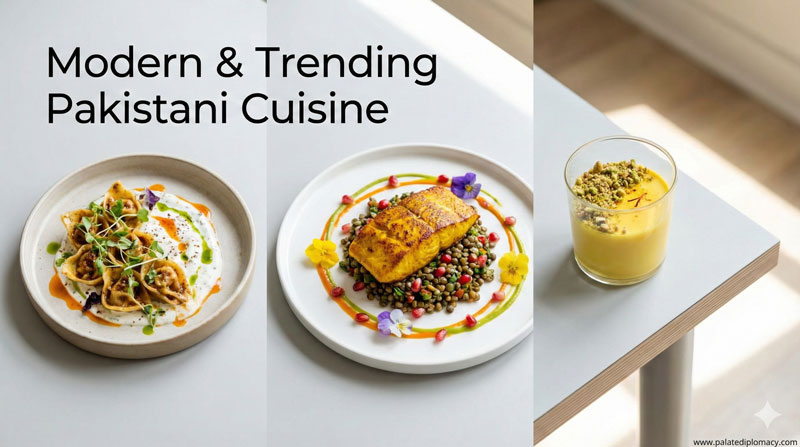
Introducing the dish: Top Reasons People Love Eating Street Food Reinvented
Meet a dish that sits at the crossroads of tradition and modern cooking. The idea behind Top Reasons People Love Eating Street Food Reinvented is simple: take the heart of street flavors and reimagine it with careful technique, fresh ingredients, and thoughtful presentation. The result is approachable, vibrant, and deeply rooted in everyday eating. This post explores its cultural value and culinary significance, focusing on How It feels when you bite in, how it brings people together, and how it stands as a bright example of contemporary street cuisine.
A Compact Miracle of Flavor and Craft
This reinvented dish earns its place through balance and brightness. The cooking steps emphasize clarity of taste: crisp textures meet soft centers, and aromatic herbs lift the core flavors without overpowering them. The plate often showcases a clean contrast of warm and cool elements, inviting you to explore with your senses. Chefs use precise heat, careful seasoning, and thoughtful layering to reveal the dish’s personality. The result is a versatile template that can express seasonal produce, local pantry staples, and the chef’s own signature style.
Cultural Value on the Street
Street food is a daily thread in many communities. It travels from stall to stall, offering quick, dependable meals that still feel celebratory. The reinvented dish shines here because it serves as a bridge between fast dining and thoughtful preparation. People taste it and recognize a shared language of freshness, aroma, and comfort. The scene around the dish—market chatter, open griddles, and friendly exchanges with cooks—adds to its cultural resonance. It becomes part of everyday life, a moment to pause, enjoy, and connect.
Culinary Significance: Technique and Taste
At its core, the dish demonstrates how technique can elevate familiar flavors. The reinvention rests on precise texture control, seasoning depth, and harmonious contrasts. Think of a crisp exterior that gives way to tender interior, or a spice profile that lingers without clashing with the dish’s main notes. The culinary significance lies in its adaptability: a correct balance of components allows the dish to shine whether it’s enjoyed as a quick bite, a shareable plate, or a late-night crave. It invites chefs to honor tradition while exploring new methods.
Texture as a Language
Texture plays a leading role. The dish often blends crunch, chew, succulence, and sometimes a silky sauce. Each texture is chosen to complement the others, creating a rhythm that you feel from the first bite to the last. This emphasis on tactile variety helps explain its broad appeal. Diners savor the contrast, then appreciate the cohesion as flavors harmonize through careful construction and plate design.
A Palette of Color and Aroma
Vibrant color and inviting aroma draw diners in before a single bite. Fresh herbs, pickled accents, and bright sauces provide visible signals of flavor. Steam, char, and glaze contribute to a sensory chorus that makes the dining moment memorable. The plate becomes less about a single component and more about a balanced experience that celebrates freshness, craftsmanship, and a well-curated supply chain of ingredients.
The Social Experience: Sharing and Ritual
The dish thrives in social settings. People often gather around a shared plate or line up at a busy stall, chatting with cooks about ingredients and techniques. The ritual of tasting, commenting, and selecting accompanying items creates a small, welcoming ceremony. This social dimension elevates the dish from nourishment to a communal event, where conversation and curiosity enrich the meal.
Regional Variations: A Living Concept
While the dish has a core identity, it easily adapts to different regional sensibilities. Local herbs, sauces, and produce can tailor the reinvention to fit nearby tastes. This flexibility highlights a broader culinary value: a living concept that grows with the marketplace and the cooks who reinterpret it. Each variation adds a layer of regional charm, inviting curious eaters to explore with open minds and eager palates.
Accessibility and Craft: A Gentle Balance
One notable aspect is accessibility without sacrificing craft. The dish demonstrates how thoughtful technique can be scaled for stalls or small kitchens, and how quality ingredients can elevate a simple concept. This balance matters because it shows respect for both the cook’s skill and the consumer’s appetite for value. The result is a memorable dish that remains approachable for everyday meals and special occasions alike.
A Window into Everyday Creativity
Top Reasons People Love Eating Street Food Reinvented offers a clear picture of daily culinary creativity. It captures how cooks transform familiar flavors into something fresh, while still honoring recognizable comfort. The dish becomes a case study in how Food Culture thrives through iteration, collaboration, and a shared sense of taste. Diners leave with a sense of curiosity and appreciation for the craft behind a well-made bite.
Conclusion: Celebrating a Modern Street Food Icon
This reinvention honors the vitality of street cuisine—its openness to experimentation, its respect for craft, and its role in daily life. The dish stands as a bright example of how culture and kitchen artistry meet on a single plate. It invites cooks, eaters, and communities to celebrate flavor, texture, and togetherness. By embracing the dish’s cultural value and culinary significance, we can appreciate street food as a living tradition that continues to surprise, comfort, and inspire.