
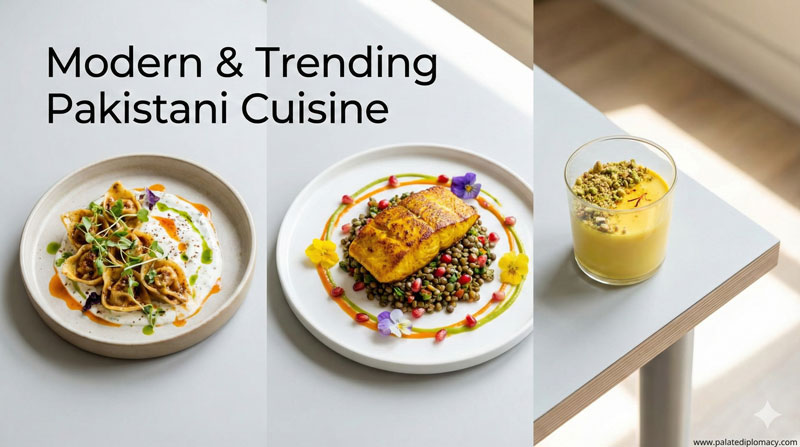
Top Reasons People Love Eating Fusion Pakistani Bowls
Fusion Pakistani bowls blend comfort, color, and curiosity in every bite. They sit at the crossroads of tradition and modern dining, offering a way to celebrate familiar ingredients with fresh, lighter presentations. This dish is a window into everyday Food Culture, where aroma, texture, and balance tell a story of home and exploration. In this post, we explore the cultural value and culinary significance of fusion Pakistani bowls.
A celebration of flavor layers
One of the most immediate joys is the layering of flavors. Each bowl builds from base staples like fragrant rice, tender grains, or creamy lentils. Then come protein or plant-based protein with bold spice blends, roasted vegetables, and a bright drizzle or chutney. Finally, a cool, soothing note from yogurt or a tangy sauce ties the whole bowl together. These layers invite the palate to travel in small steps, and they reward curiosity with harmony. The social aspect of layering flavors is a hallmark of many South Asian kitchens, and fusion bowls carry that spirit into a contemporary format.
Cultural value in a modern format
Fusion Pakistani bowls translate a long-standing culinary heritage into a form that fits busy days and shared meals. They honor the importance of balance—protein, starch, vegetables, and acidity all working in concert. The bowl format makes it easy to showcase regional ingredients without needing a plated, formal course. It invites cooks to tell a story with color, texture, and aroma. In many homes and kitchens, such bowls become a canvas for seasonal produce, regional spices, and family favorite toppings. This adaptability keeps culture alive by evolving with the moments people share around the table.
Textures and techniques that speak
Texture is as vital as taste in these bowls. The soft creaminess of yogurt, the chew of grain, the crisp bite of roasted vegetables, and the tender tenderness of well-cooked protein Create a satisfying rhythm. Techniques from traditional Pakistani cooking—grilling, roasting, simmering, and fresh finishing with herbs—are woven into a modern bowl. This blend preserves core methods while inviting new ingredients and combinations. The result is a dish that feels rooted and inventive at the same time.
Respectful hybridity and culinary conversation
Fusion Pakistani bowls embody a respectful approach to hybridity. They invite cooks to honor core flavors such as cumin, coriander, ginger, garlic, mint, and chutneys while exploring new pairings. The bowls become a conversation between the familiar and the novel, not a replacement for tradition but a continuation of culinary storytelling. This approach keeps the kitchen inclusive, friendly, and curious—an invitation to learn, taste, and share.
A meal suited for community and sharing
The bowl format naturally suits group dining. It supports a spirit of hospitality, where everyone can customize a portion to their taste. Families, friends, and neighbors can gather around a table and build bowls together. This social aspect is a key cultural value: food becomes a shared ritual, a moment to connect over aroma, color, and flavor. In addition, the accessibility of many fusion Pakistani bowls makes them a welcoming option for cooks of varying skill levels, encouraging participation and experimentation.
Ingredients that tell a local story
A great fusion Pakistani bowl blends staples with regional produce. Think basmati or fragrant long-grain rice, chickpeas, lentils, paneer, or tender chicken marinated in spice blends. Accents like mint chutney, lemon juice, pomegranate seeds, caramelized onions, roasted peppers, or fresh herbs brighten the bowl and offer seasonal storytelling. This practice highlights how everyday ingredients reflect local markets and pantry choices, making each bowl feel grounded in place and time.
Easy adaptability for mindful eating
These bowls fit a mindful approach to eating. You can adjust heat levels, swap proteins, or lean into plant-based options without losing the essence of flavor and balance. The flexibility makes fusion Pakistani bowls a practical expression of cultural appreciation. It also supports a thoughtful relationship with food, encouraging people to explore what they enjoy while honoring the natural rhythm of ingredients and spices.
A closing note on beauty and place
Fusion Pakistani bowls are more than a dish; they are a public exhibit of culinary beauty. They showcase how color, aroma, and texture come together to create an inviting eating experience. They remind us that culture can be dynamic, flavorful, and welcoming. By celebrating both tradition and innovation, these bowls help us see the kitchen as a living space where recipes evolve while keeping roots intact.
If you are curious about trying this approach, start with a simple base of spiced rice and add roasted vegetables, a protein option you love, and a bright chutney or yogurt drizzle. Then finish with fresh herbs and a squeeze of lemon. With each bite, you’ll taste a bridge between days past and today’s table, a small but delicious celebration of fusion Pakistani bowls.