
Everything You Need to Know About Traditional Polish Cold Cuts
Polish cold cuts, or wędliny, carry a quiet elegance in every bite. They are more than food; they are a story told in layers of texture, aroma, and craft. This post invites you to explore their cultural value and culinary significance with warmth and clarity. You will discover how these cured and smoked meats connect people around the table, through meals that feel timeless and welcoming.
What are traditional Polish cold cuts?
Traditional Polish cold cuts are a family of cured meats and sausages prepared with care, using salt, spices, and time-honored techniques. Common varieties include kielbasa (sausage), kabanosy (slender dried sausage), szynka (ham), boczek (bacon), and pasztet or pasztetowa (pate). Each piece is sliced thinly to bring out its aroma and texture, then served at room temperature to highlight its flavors. The goal is balance: a gentle smoke, a clean salt note, and a finish that lingers softly on the palate. In many households, these cuts are the stars of a simple bread and pickle plate, as well as the center of festive spreads.
The craft behind the meat: curing, smoking, and preserving
The art of Polish cold cuts begins with careful choice of meat and a precise blend of seasonings. Salt is essential, often accompanied by pepper, marjoram, garlic, coriander, and juniper. Some recipes rely on a light touch, letting each cut express its natural character; others embrace a bolder spice note for a deeper, heartier profile. After curing, the meat may be smoked to add warmth and complexity, or air-dried to concentrate flavors. The curing and smoking techniques are passed down through generations, refined to bring out tenderness and aroma without rushing the process. The result is a range of textures—from lean, firm slices to silky, pate-like forms—that invite careful slicing and mindful tasting.
Regional flavors and signature styles
In Poland, regional approach matters, lending variety to the same family of wędliny. You’ll find styles that emphasize a clean, straightforward pork flavor, and others that carry a subtle smokiness or a peppery kick. Some cuts lean toward a smooth finish, while others offer a richer mouthfeel with a touch of fat that melts on the tongue. The diversity is welcoming: a hobbyist can begin with a simple, sliced ham and gradually explore more expressive sausages and pâtés. Regardless of the exact recipe, traditional Polish cold cuts share a purpose—to celebrate the quality of ingredients, the patience of preparation, and the joy of sharing.
How to savor: taste, texture, and serving etiquette
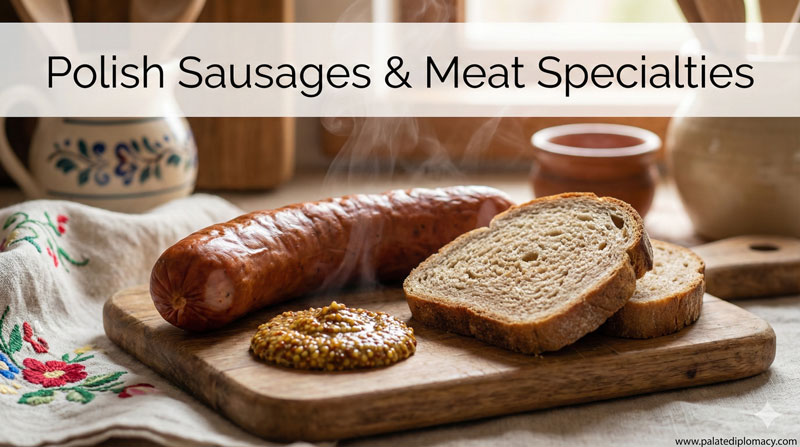
Polish cold cuts shine best when presented at room temperature, allowing their aroma to unfold. Slice thinly so each bite releases nuance rather than heaviness. Pair with crusty rye bread, a dab of good mustard or horseradish, and a few cornichons or pickled vegetables. A light cheese or a mild butter can round the plate, but the focus remains on the meat. For gatherings, arrange slices in overlapping fans or neat stacks to entice guests to explore multiple flavors. A simple, thoughtful presentation elevates the experience without fuss.
Cultural significance at the table
Wędliny hold a quiet but meaningful place in Polish dining rituals. They often appear on breakfast boards, Sunday family meals, and celebratory spreads, weaving together tradition and conversation. The act of sharing thinly sliced cuts creates a sense of ease and hospitality: a guest sees care in the arrangement, notes the familiar scents, and feels welcomed. Across many homes, cold cuts symbolize nourishment, craft, and togetherness. They connect generations—grandparents teaching a child how to slice a ham with just the right thickness, adults guiding younger guests in appreciating the balance of salt and smoke. In this way, Polish cold cuts are a bridge between everyday meals and special occasions.
Pairings that honor the dish
When you pair Polish cold cuts, think of balance and contrast. Some reliable companions include:
– Crisp rye bread and butter for a classic base
– Mild mustard, horseradish, or a tangy pickled cucumber
– A light cheese with mild sharpness
– A simple beer or a clean, refreshing beverage to cleanse the palate
These pairings honor the meat’s texture and aroma without overpowering it. The best combinations arise from a shared plate where each component complements the others.
Choosing quality and caring for your wędliny
Quality often shows in the aroma, color, and texture. Look for:
– A natural, even color with a gentle sheen
– A pleasant, clean aroma that hints at smoked or cured notes
– A texture that feels firm yet yielding when sliced
– Ingredient lists with simple, recognizable items
Store Polish cold cuts in the refrigerator, wrapped lightly to prevent drying. Use them within a few days for the best flavor, and respect any “best by” guidance on the packaging. When you open a package, allow the slices to come to room temperature for a few minutes before serving to release the full bouquet.
A quick guide to enjoying Polish cold cuts at home
- Start with a light board: kielbasa slices, ham, and a pâté
- Include a few crunchy elements like pickles or sliced vegetables
- Offer a simple spread or mustard on the side
- Serve at room temperature for best aroma and texture
- Keep portions modest to encourage tasting a range of flavors
The beauty of tradition in every bite
Traditional Polish cold cuts are more than nourishment; they are a gentle celebration of craft, time, and care. They invite curiosity and appreciation for texture, aroma, and balance. Each slice carries a sense of place—the hands of a butcher, the smoke of a grill or smoker, the patience of curing—yet they welcome all who gather around the table. The result is a shared experience that feels timeless and reassuringly simple.
A note on enjoying them with care
Remember that these cuts are best enjoyed when treated with respect for the craft. Slice with intention, present with care, and taste with attention. In doing so, you honor the dish’s cultural value and the warmth it brings to the table. Polish cold cuts, with their quiet elegance and approachable flavors, offer a gateway to the richness of Polish culinary culture without ceremony or pretense.
Bringing it all together
Polish cold cuts are a versatile, inviting part of the food culture. They reflect a tradition of careful preparation, seasonal flavors, and generous hospitality. Whether you are building a simple breakfast plate or a more elaborate festive spread, these cuts help tell a story of community, craft, and joy. By understanding their components and honoring the way they are shared, you can appreciate not just the taste, but the beauty and purpose of traditional Polish wędliny.