
What Are Traditional Polish Cold Cuts?
Polish cold cuts, known as wędliny, are a beloved centerpiece on many tables. They are cured or smoked meats prepared for easy, ready-to-eat enjoyment. In Poland, these cuts come from skilled butchers and regional producers who honor time-tested methods. The result is a mosaic of textures and flavors, from firm, sliced sausages to smooth liver pâtés. Each piece carries a simple, honest story: expert hands, locally raised pork, and careful seasoning.
The Craft Behind Wędliny
The craft of making Polish cold cuts blends salt, spice, smoke, and patience. Curing draws out moisture and concentrates flavor. Smoking adds depth and a gentle sweetness that breathes through the meat. Some recipes rely on air-drying or aging to develop a firmer bite. Garlic, marjoram, black pepper, and coriander are common notes, layered with other spices that vary by region and family tradition. The ultimate aim is balance: a savory core with a whisper of aroma that enhances but does not overwhelm.
Butchers often source pork from trusted farms and guide the meat through careful preparation, trimming, and slicing. Salt and curing agents are used in measured amounts, preserving freshness while imparting character. The result is slices with a clean snap, rich aroma, and a satisfying mouthfeel. When you bite into a good wędliny, you taste not just meat, but a long line of practice and care.
Regional Varieties Across Poland
Regional pride shines in the wędliny landscape. In the south and central regions, you’ll encounter sturdier sausages with garlic and paprika, crafted for robust warmth. In the Kraków region, a well-known sausage is celebrated for its balanced spice and a glossy, even texture. The Lisiecka style from Liszka and nearby towns showcases a refined aroma and a slightly sweeter finish. In the north and east, you may find leaner cuts and lighter curing, with a focus on clean pork flavor and a crisp bite.
Beyond sausages, liver pâté (pasztet) and blood sausage (salceson) appear on many boards, each carrying a regional interpretation—different spice blends, fat ratios, and textures. The diversity across Poland means a simple platter can tell many local stories, celebrating a place, a season, and the farmers who bring in the harvest.
Flavor Profiles and Core Ingredients
-
Core ingredients: pork is the base in most wędliny, sometimes mixed with beef or other meats. The emphasis remains on a tender interior and a satisfying exterior.
-
Common flavor notes: garlic, marjoram, black pepper, coriander seeds, and mustard seeds. These give warmth, aroma, and a hint of brightness.
-
Textures: slices can be firm and sliceable, or soft and pâté-like. Smoking and aging shape texture just as much as fat content and spice.
-
Aroma: beech or hardwood smoking often adds a gentle sweetness and a nutty finish that lingers pleasantly on the palate.
-
Curing style: some cuts are coarse and rustic, others sleek and uniform. Both reflect a craft that respects the meat and the eater.
Serving, Pairings, and Etiquette
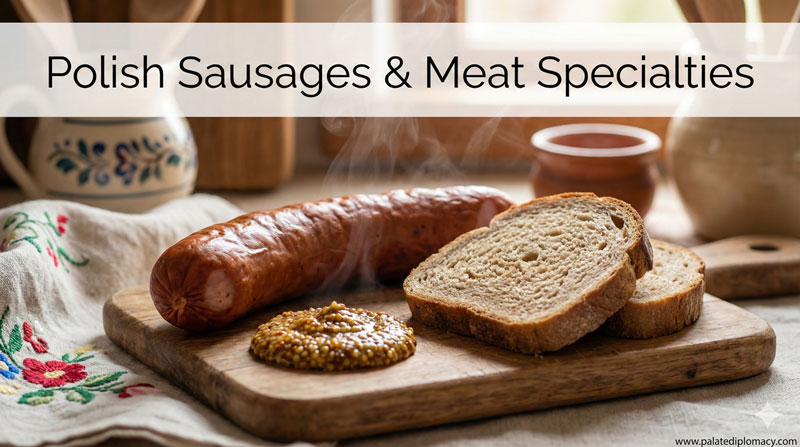
A traditional platter is more than food—it’s a welcome invitation. People gather around a wooden board or a simple plate and share with good bread, sharp mustard, and crisp pickles. The bread acts as a neutral canvas, while mustard adds a bright kick to balance the meat’s richness. For beverages, a light beer or a clear, classic Polish vodka can elevate the experience without overpowering the flavors.
Serving tips:
– Slice with a clean, sharp knife to reveal even, neat pieces.
– Offer a variety: a stronger sausage, a smoother pâté, and a lighter cured slice.
– Add contrasting textures: crunchy pickles, fresh bread, and a dab of herb butter.
Nostalgia and warmth come through when you see family members or guests reaching for a familiar slice. The experience invites conversation, sharing, and appreciation for the skill behind each cut.
Seasonal Traditions and Everyday Moments
Wędliny shine at festive moments and everyday meals alike. They appear on holiday tables, Sunday dinners, and weekend gatherings, offering a quick, flavorful option that can elevate simple dishes. In markets and family kitchens, the care taken in selecting and slicing wędliny reflects a respect for local foodways. When a familiar slice is laid down, it echoes generations of cooks who refined the craft for taste, texture, and balance.
Selecting, Storing, and Caring for Your Wędliny
- Look for aroma and texture: a fresh-cut surface should look moist but not slimy, with a clean scent that isn’t overpowering.
- Read the label: check for natural ingredients, clear curing notes, and minimal artificial additives.
- Store properly: keep cold cuts in the refrigerator, ideally wrapped to prevent drying. Consume within the recommended window after opening.
- Mind the first bite: start with a small slice to gauge the balance of fat and lean meat, then enjoy the full board.
Quality wędliny invite you to slow down and appreciate craft, care, and the joy of sharing.
A Window into Polish Food Culture
Traditional Polish cold cuts are more than a meal component; they are a reflection of local farming, aging, and culinary artistry. Markets showcase a tapestry of regional specialties, each with its own signature blend and technique. The craft connects generations of butchers, cooks, and families who pass down methods, preferences, and stories through the acts of curing and slicing. A well-prepared board invites curiosity about how different regions approach seasoning, texture, and smoke, and how those choices shape a shared dining experience.
The beauty of wędliny lies in balance: the quiet harmony between meat, fat, spice, and smoke; the way a simple slice can spark a conversation about a place, a season, and a favorite memory of a family meal. This is food that honors tradition while inviting personal interpretation—whether you prefer a bold sausage with a peppery snap or a silky pâté that glides on the tongue.
Final Thoughts
Traditional Polish cold cuts offer a warm, inviting window into a rich culinary culture. They celebrate craft, regional character, and the everyday joy of gathering around good food. Each cut speaks of careful preparation, seasonal ingredients, and the pleasure of sharing. If you approach wędliny with curiosity, you’ll discover more than a meal—you’ll discover a living tradition that continues to delight, nourish, and bring people together at the table.