
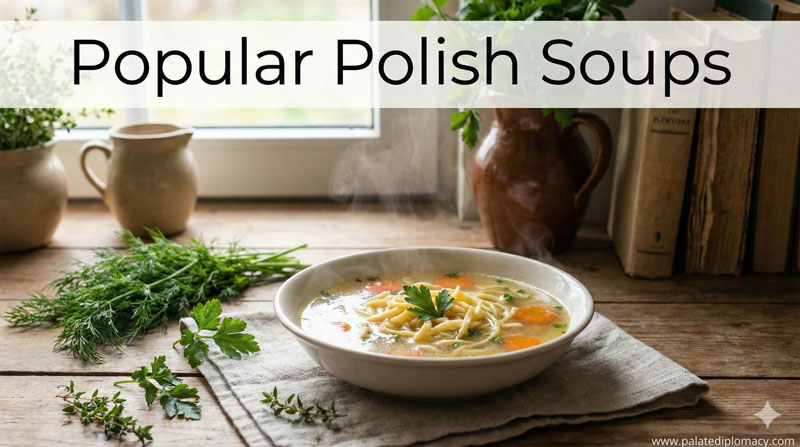
Rosół: A Polish Comfort in a Bowl
Rosół is a beloved voice in Polish home cooking. It is a clear, golden broth that carries warmth and calm. In many Polish kitchens, rosół signals welcome and belonging. The dish invites family and friends to sit, talk, and savor the moment together. This is not just a meal; it is a ritual that honors simple ingredients and patient craft. The goal is a broth that shines with clarity and a gentle, comforting aroma. When this happens, the table feels open, and everyone feels cared for.
The Simple, Yet Rich Broth
The heart of rosół lies in the broth. A well-made rosół starts with bones and meaty bones, often chicken, simmered slowly to release flavor and gelatin. The resulting liquid becomes clear and pale gold, bright with steam and steam’s soft hush. Skimming the surface as it cooks keeps the broth calm and spotless. A quiet simmer, not a rapid boil, preserves its purity. Aromatics like onions, carrots, and a celery stalk add sweetness and depth. A few peppercorns and bay leaves lift the flavor without overpowering it. The texture is silky, not heavy, and the taste is clean enough to pair with a range of toppings. The broth stands on its own yet also supports other elements on the plate.
Traditional Preparation with Care
Traditional rosół comes to life through careful steps and patient hands. Start with good bones and fresh poultry if possible. Rinse, then place gently in a pot with cold water. Bring to a gentle simmer, then skim away foam. Add vegetables and herbs in stages to layer the flavors. Simmer for a long time to extract aroma and gelatin. The meat is tender enough to fall apart with a fork, but still holds its shape for serving. Food lovers often reserve a portion of the meat for later meals, turning a single cooking session into a second plate of leftovers that still feels special. Serve the broth hot, with a nest of egg noodles or flat kluski. A drizzle of fresh parsley may brighten the bowl, and a squeeze of lemon can add a light tang if the cook desires. Each step reveals how careful technique supports the dish’s delicate elegance.
Family and Rituals Around the Table
Rosół shines in its social role. The preparation becomes a family moment, a chance to share tasks and teach younger cooks. The aroma travels through the house, inviting everyone to gather. A small ritual often emerges: the host ladles the first bowls with care, the noodles are added last to keep them just right, and the table fills with soft conversation. The meat may be plated separately, offering slices that accompany the broth or stand on their own as a second course. The ritual emphasizes hospitality and attentiveness. This is how rosół becomes more than food; it becomes a memory of togetherness and a signal that care is being offered at the table.
The Flavor Narrative: Herbs, Noodles, and Texture
The flavor of rosół rests on balance. The broth provides a clean canvas for the other elements. Fresh herbs—often parsley—bring a bright, green note that lifts each spoonful. Dill can appear in some homes for a subtle, perfumed finish. The noodles, whether broad egg noodles or delicate strands, offer a comforting bite that marries with the broth’s gentle warmth. The meat, when included, remains succulent and light, inviting another round. Salt is added with intention, enhancing the natural sweetness from vegetables and bones without overpowering the broth. In each bite, you experience the harmony of simple ingredients treated with care, yielding a dish that feels restorative and refined.
Rosół Across Seasons
Rosół adapts with the seasons, yet its essence remains the same. In cooler months, the dish provides comforting warmth and a steady heartbeat to the meal. In spring, cooks may highlight fresh herbs and lighter accompaniments, letting the dish feel renewed. In autumn, heartier vegetables can accompany the noodles, while the broth holds steadfast as a familiar friend. This adaptability makes rosół a reliable centerpiece that can fit various occasions while preserving its character. The dish teaches patience and balance, reminding us that simplicity can carry depth when prepared with attention.
How Rosół Inspires Polish Hospitality
Hospitality shines in rosół. Hosting friends or family becomes a heartfelt invitation to slow down and savor. The act of sharing a hot bowl of broth creates a moment of connection that words can only begin to capture. Rosół embodies generosity—the host offers warmth, clarity, and a sense of calm that helps conversations flow. This dish demonstrates how food can bind people, making everyday moments feel meaningful. In this way, rosół becomes a cultural touchstone, highlighting the beauty of careful cooking, the joy of sharing, and the pleasure of a well-made meal.
Conclusion: A Dish that Connects Taste and Tradition
Rosół beautifully blends culinary craft with cultural value. It is a dish that honors the patient simmer, the clear, fragrant broth, and the social joy of the table. It invites us to slow down, to notice the aroma, and to share a nourishing bowl with those we care about. In Polish Cuisine, rosół stands as a quiet testament to hospitality, comfort, and the art of turning simple ingredients into something deeply meaningful. By savoring rosół, we celebrate not just flavor, but the everyday rituals that keep food love alive in the home.