
Introduction
This post introduces the dish Why Travelers Are Falling in Love with Fusion Injera Dishes. It explores its cultural value and culinary significance with care and clarity. Travelers seek nourishment for both body and curiosity. Fusion injera dishes answer that call. They invite the eater to experience a familiar base, injera, while inviting new flavors to mingle on the same plate. The result is a meal that feels generous, balanced, and alive. Here, we focus on how the dish reflects a long tradition of sharing meals and welcoming new tastes.
Injera as a Cultural Canvas
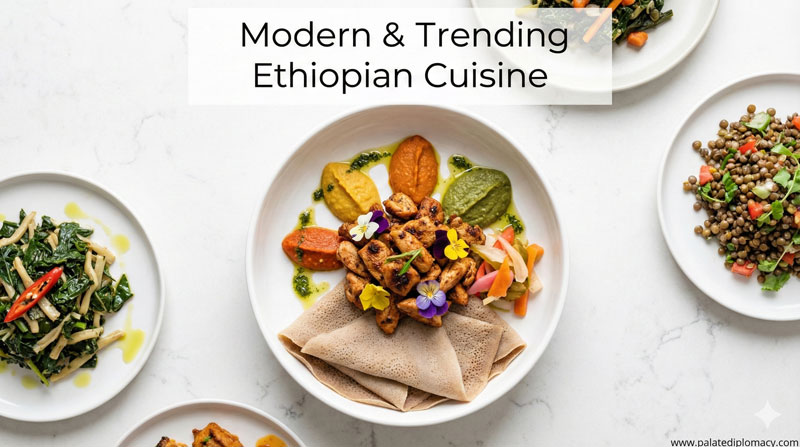
Injera is more than bread. It is a living canvas for a meal. The soft, spongy surface carries the potential of every topping. It carries aroma, color, and texture from the fermentation process. Teff flour, or a blend of grains, gives injera its distinctive tang. This tang anchors a wide range of flavors. When chefs layer ingredients atop injera, they map cultural memory onto a modern plate. The result is both comforting and exciting. In this way, fusion injera dishes become cultural canvases where tradition meets invention. The bread invites dialogue between ingredients, techniques, and stories.
Flavor Bridges: Where Cultures Meet
Next, consider how fusion injera dishes blend flavors from nearby kitchens and distant notes. The base is Ethiopian in spirit, but the toppings tell new stories. Spices, herbs, tangy sauces, and bright vegetables mingle to create harmony. On one plate, you might find a smoky roast paired with citrusy greens. On another, sweet peppers meet a zesty herb sauce. Travelers experience recognizable elements and surprising twists at once. The result is a meal that is both comforting and adventurous. This is the core beauty of fusion injera: it respects the familiar while inviting exploration. Each bite becomes a short journey that rewards curiosity.
Techniques and Texture: A Craft That Travels
Fermentation shapes injera and gives Its Unique personality. The batter breathes and creates a soft, porous surface. This texture catches sauces nicely, delivering flavor with every mouthful. When chefs adapt the toppings, they preserve the bread’s role as a stage for taste. The method remains faithful to traditional fermentation, even as the toppings push into new territory. In this balance, technique and imagination work together. The result is a dish that feels crafted and thoughtful. Travelers sense a growing respect for the technique behind the meal as they eat. This technical care is part of the dish’s universal appeal.
The Social Table: Hospitality in Plate Form
A key cultural value in injera sharing is hospitality. The bread is often placed at the center, inviting everyone to tear and share. This act creates a moment of connection. In fusion injera dishes, that shared moment continues. People gather around a vibrant plate and start conversations about flavors, textures, and textures’ interplay. The meal becomes a social ceremony without formality. It honors generosity, listening, and the pleasure of discovering a new taste together. For travelers, this social warmth adds depth to the dining experience. It feels Like a welcome, not a performance. The plate becomes a bridge between hosts and guests.
Global Variations: A World of Tasting Rooms
Around the world, chefs reinterpret injera with local ingredients. In city centers, markets, and cozy eateries, fusion injera dishes appear with inventive toppings and sauces. The variety invites travelers to compare styles while sensing a common thread: injera as a nurturing base. These dishes celebrate culinary curiosity and a shared love of good food. They demonstrate how a single bread can travel far in mindset and flavor. Each regional variation preserves the spirit of hospitality while inviting new influences to mingle on the same surface.
Savoring the Experience: Taste, Texture, and Aroma
When you approach fusion injera, focus on balance. The tang of injera contrasts with creamy, savory, or bright elements. Sauces should lift the toppings without overpowering the bread. The aroma should weave together bread notes with the scent of herbs, spices, and citrus. The texture should surprise in a pleasant way: soft bread, crisp edges, and juicy toppings. This balance makes the dish memorable. Travelers often remember the first bite as a respectful invitation to continue exploring. The experience rewards attentive tasting and thoughtful pairing.
Pairings and Platings: Enhancing the Journey
Pairing matters in fusion injera dishes. Lively herbs, citrus zest, and mild heat can brighten the plate. A fresh salad of herbs and greens can offer a crisp counterpoint. Mild yogurts or dairy-free alternatives add creaminess without masking flavors. Beverages with brightness, like herbal infusions or citrus-forward drinks, complement the meal well. The aim is to elevate, not overwhelm, the core injera experience. With attention to balance, each plate becomes a well-orchestrated moment of discovery.
Ethical Sourcing and Respectful Discovery
Travelers can enjoy fusion injera dishes with mindful sourcing. Support kitchens that value quality ingredients, fair practices, and clear ingredient notes. When possible, choose teff or blends that support sustainable farming. Respect for ingredient origin enhances the dining experience. It clarifies texture, aroma, and flavor, turning a meal into a thoughtful experience. The goal is to savor responsibly while appreciating the craft behind each plate.
Conclusion: A Welcoming Culinary Frontier
In the end, Why Travelers Are Falling in Love with Fusion Injera Dishes offers more than taste. It offers a window into a culture of sharing, craft, and curiosity. The dish honors a traditional bread while inviting modern flavors to mingle on the same plate. The result is a balanced, lively meal that speaks to hospitality and exploration. For travelers and visitors, fusion injera dishes provide a gentle invitation to pause, savor, and learn. They celebrate the beauty of adaptation, the joy of discovery, and the skill of cooks who honor the bread while inviting new flavors to shine. If you approach with an open palate and kind curiosity, the dish welcomes you to stay a little longer at the table of world flavors.