
Why Travelers Are Falling in Love with Kulcha
Kulcha welcomes travelers with warmth, aroma, and a soft, inviting bite. This bread, baked in a blazing tandoor, carries a story of skill, fire, and shared meals. It appears in sunlit street stalls and cozy family kitchens alike, offering a moment of connection with local flavors. As you wander, kulcha becomes more than food; it becomes a small ceremony of arrival. Its aroma signals freshness. Its texture invites you to pause. And its taste lingers in memory long after the bite is gone.
What Kulcha Is and How It Is Made
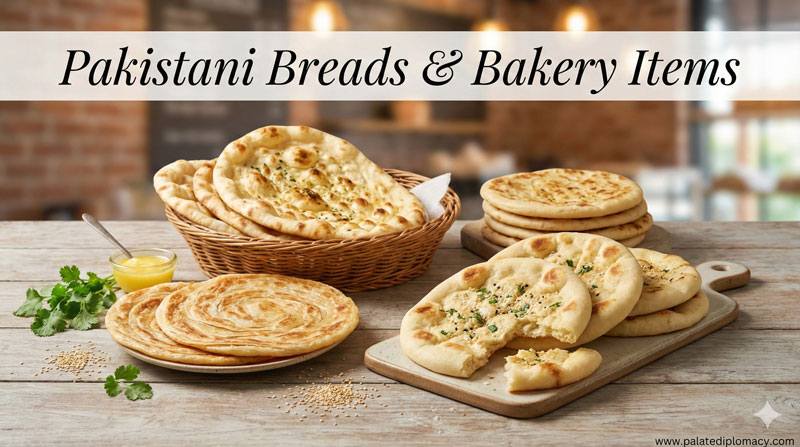
Kulcha is a leavened flatbread that rises into a fluffy interior with a lightly blistered, charred edge. The dough typically blends flour, yogurt or milk, a pinch of salt, and a leavening agent. Water loosens the mix, and a brief rest lets the dough relax. Then it is rolled into rounded discs and slid into a hot tandoor. The heat causes the dough to puff and blister, creating contrast between a tender center and a crisp rim. Some kulchas are plain and pillowy; others are stuffed with potatoes, paneer, onions, or spiced greens. Butter or ghee finishes add a gentle richness. This craft—kneading, shaping, and tandoor timing—shows how simple ingredients become a memorable experience.
Kulcha as a Cultural Staple in the Food Landscape
Kulcha holds a steady place in everyday meals and festive tables alike. In many towns, a serve of warm kulcha arrives with steaming bowls of chickpea curry or rich lentil stews. The pairing with chole (spiced chickpea curry) is iconic and widely beloved. Travelers quickly notice how kulcha shines when dipped or torn with a generous bite of curry. It also suits a quick breakfast, a late afternoon snack, or a comforting supper. The bread’s versatility mirrors the openness of the local Food Culture, where a single item anchors many meals and memories. The simple act of sharing kulcha creates a welcoming moment—an invitation to slow down and enjoy the Flavors of the region.
Regional Styles and Their Stories
Across northern Indian cities, kulcha wears a distinct character. Amritsar-style kulcha often comes stuffed with potatoes and herbs, turning the bread into a flavorful pocket that perfumes the air with cumin, coriander, and onion. Plain kulcha provides a clean canvas, letting the spices of accompanying dishes take the spotlight. Some places offer a crisper, khasta-style kulcha that adds a satisfying crunch. The variety demonstrates how technique, regional produce, and family recipes shape this bread over time. Each version tells a small story about local markets, flour mills, and the rhythm of daily life.
The Travel Experience: Sights, Aromas, and Moments
Travelers Are drawn to the stage where kulcha meets the street. Picture a smoke-kissed oven, the whistle of the steam, and a baker’s practiced hands shaping a fresh disc. Butter melts on contact, releasing a toasted aroma that mingles with cardamom or cumin from nearby stalls. A bite reveals a delicate interior that softens with warmth, while the outer crust offers a gentle crackle. The moment is tactile: tear the bread, scoop up a colorful chutney, and take a slow sip of hot chai. These sensory cues—the scent, the sound, the texture—make kulcha a memorable passport stamp for many journeys.
Craft and Craftsmanship Behind Kulcha
The beauty of kulcha lies in craft carried from hand to hand. Skilled bakers measure ingredients with care, coax the dough to elasticity, and time the fermentation so the surface blisters just right. Rolling technique matters: a slightly thicker edge, a tender center, and an even thickness that cooks uniformly. The tandoor is a theatre of heat, with flames licking the bread and a bowl of butter waiting at the door as a finishing touch. This work emphasizes patience, precision, and pride in simple techniques that elevate everyday food into an art form.
Kulcha in Modern Dining and Global Palates
Today, kulcha travels beyond its home kitchens. Modern eateries celebrate its approachable texture and flexible flavor profile. Chefs experiment with stuffed variations and creative toppings, while still honoring the traditional method of tandoor baking. For travelers, kulcha offers a bridge between familiar bread and regional spices. It pairs with dishes from vibrant curries to peppery chutneys, inviting global palates to explore North Indian flavors with ease. In this way, kulcha becomes a warm ambassador of hospitality and culinary heritage.
Tips for Travelers: How to Truly Enjoy Kulcha
- Seek fresh: choose kulcha straight from the oven or a hot tandoor for the best texture.
- Pair thoughtfully: enjoy with chole or a tangy yogurt-based chutney to balance richness.
- Watch the finish: a light brush of butter enhances aroma without overpowering the bread.
- Try stuffed versions: aloo or paneer kulcha offer comforting, savory centers.
- Savor with tea: a cup of hot masala chai complements the bread’s toasty notes and spices.
- Engage with the maker: a quick hello to the baker or seller adds warmth to the experience.
A Note on Respectful Enjoyment
As you explore kulcha, observe the local pace of life and traditions around food. Small stalls and family kitchens thrive on care and shared joy. A courteous approach, a smile, and patient appreciation of the craft deepen the experience. If you can, tip the moment with a note of thanks or a small gesture of gratitude. These acts honor the people who bring kulcha to life and keep the tasting ritual vibrant.
Conclusion: A Taste of Journey in Every Bite
Kulcha invites travelers to slow down and savor. Its soft interior and crisp edges reflect a skillful balance between comfort and excitement. The bread’s versatility mirrors the richness of the food landscape it inhabits. When you bite into kulcha, you taste not just flour and heat, but a culture of welcome, shared meals, and everyday celebration. For many explorers, kulcha becomes a favorite companion on the road—a delicious reminder that some journeys are measured not only in miles, but in flavors that linger.