
Introduction
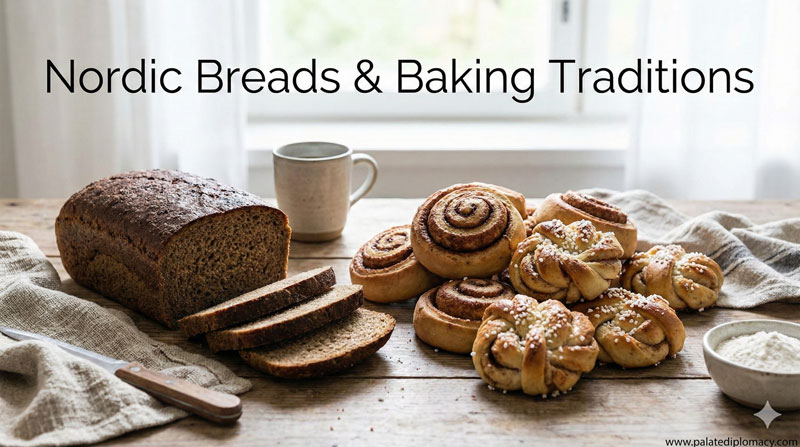
Why Travelers Are Falling in Love with Rye Bread is more than a snack. It is a doorway to flavor, craft, and shared gatherings around a table. This post invites you to explore the cultural value and culinary significance of rye bread. You will see how a humble loaf travels with people, revealing regional stories in its crumb, aroma, and crust. The goal is simple: celebrate the beauty of rye bread and its place in everyday life.
The Crumb That Speaks of Place
Rye bread is known for a compact, yet airy crumb that carries hints of tang and depth. The texture invites careful cutting, then slow savoring. Each slice reveals a subtle chorus of sweetness and acid, shaped by the flour blend and fermentation. Travelers notice how the crumb changes with the water, climate, and the rhythm of the bakery. This steady variance makes rye bread feel alive, a living record of place and time. The aroma completes the experience, filling a room with a toasty warmth and a mild tang that hints at tradition.
Fermentation, Craft, and Time
The heart of rye bread lies in its fermentation. Rye flour behaves differently from wheat, producing a lively, resilient dough. Bakers honor this with patient levains, careful hydration, and steady warmth. The result is a loaf that carries lactic brightness and a gentle sour note. This slow artistry connects bakers to their kitchens across generations. Travelers taste the result in every bite, feeling the patience that went into crafting the loaf.
Flavor Profiles Across Styles
Rye bread offers a spectrum of flavor foundations. Lightly toasted rye carries a delicate malt sweetness and a soft tang. Dark rye blends deeper malts and seeds for a robust, earthy aroma. Some loaves embrace caraway, fennel, or even sesame to brighten the finish. Each addition or omission shapes the personality of the bread, guiding meals and conversations. In travel markets, you will find rye breads that lean toward peppery, nutty, or slightly sweet notes. The choice invites curiosity and thoughtful tasting.
Regional Variation Without Boundaries
Across climates and kitchens, rye bread takes on distinct personalities. In cooler regions, bakers build sturdy loaves that hold up to hearty soups and smoked fish. In milder zones, lighter rye weights the meal with a gentle tang and tender crumb. The methods vary, yet the purpose stays the same: to create bread that sustains and delights. Travelers encounter these differences as a quiet map of culinary culture, drawn in flour, water, and time. The result is a shared language, spoken softly through texture and aroma.
Travel Moments: A Taste of Everyday Culture
Travelers often begin with a simple slice, then let curiosity guide the rest of the journey. A bakery window, a friendly baker, a loaf cooling on a rack—these moments become memories. Rye bread becomes a companion on trains, in markets, and at family tables. It pairs with local cheeses, pickles, or soups in ways that reveal the neighborhood’s heart. The experience is less about novelty and more about belonging—the sense that bread, in its many forms, is a daily celebration of craft and community.
Pairings: Complementing Food and Conversation
Rye bread thrives with sustaining foods and light, bright contrasts. A tangy slice works beautifully with creamy cheeses, crisp vegetables, and smoked fish. It also balances rich soups and hearty stews. For many travelers, the bread acts Like a quiet stage, ready to support a wide range of toppings and fillings. Serving rye with a drizzle of olive oil or a pat of cultured butter invites guests to linger a moment longer at the table. The practice of pairing becomes a small ritual that honors both bread and conversation.
Home Craft: Bringing Rye Into Your Kitchen
If you wish to bring the travel experience home, start with a simple rye loaf. Choose a blend that suits your schedule—some bakers prefer a percentage of rye with a touch of wheat for easier handling, while others embrace 100% rye for a bold profile. Allow time for a slow rise; patience rewards you with a deeper aroma and a richer crust. Bake with a steam-filled oven or a covered loaf to mimic the bakery environment. The result is a personal loaf that carries stories of kitchens near and far.
The Quiet Beauty of Everyday Bread
Rye bread’s charm lies in its everyday presence. It sits on a breakfast plate with butter and jam, or accompanies a modest soup as the day turns cooler. Its presence at the table signals care, craft, and connection. Travelers feel this reverence when they bite, recognizing that bread can be both simple and profound. The beauty is in its restraint: a loaf that does not shout, but invites you to listen to its texture, aroma, and memory.
Conclusion
Why Travelers Are Falling in Love with Rye Bread becomes clear when you listen to the bread itself. It speaks of craft, time, and place. It welcomes diverse flavors while staying true to its core character. The loaf invites you to pause, taste, and reflect on the journeys that bring us to the table. In every slice, you find a small ceremony—shared warmth, thoughtful preparation, and the quiet joy of good food. Rye bread, in its many styles, remains a timeless companion for travelers and diners who value culture, flavor, and connection.