
Why Travelers Are Falling in Love with Rum Cake
Rum cake welcomes travelers with warmth and curiosity. It flows from sunny kitchens to bustling markets, carrying fragrance, texture, and memory. The cake sings with spice, citrus, and a gentle kiss of aged rum. It invites curiosity about place, recipe, and the hands that shape it. In short, rum cake is a bridge between everyday baking and the delight of discovery.
A Cultural Portrait of Rum Cake
Rum cake stands as a familiar treat in many coastal and tropical-inspired kitchens. Bakers celebrate it for its balance of sweetness, spice, and depth. The cake often appears at family gatherings, festivals, and street stalls, radiating hospitality. Travelers notice the ritual around the cake: the careful mixing, the patient baking, the glossy glaze, and the shared slices passed from hand to hand. Because it travels well and stays moist, the cake becomes a portable ambassador of taste. In every bite, you sense a place where sun, time, and tradition meet.
The Craft Behind the Cake: Ingredients and Techniques
The craft begins with good ingredients and clear technique. Creaming butter with sugar builds a tender crumb. Eggs bind the batter and enrich the texture. Dark rum provides a warm, caramel note that deepens as the cake rests. Zest, vanilla, cinnamon, nutmeg, and citrus bring brightness and spice. Bakers often soak the cake or brush it with syrup after baking, which helps maintain moisture and amplifies flavor. The result is a cake that remains supple, even after travel, with a finish that lingers pleasantly. This simple sequence—mix, bake, soak, glaze—shows how precise technique can elevate everyday ingredients into a memorable dish.
Aroma and Texture: The Scent of Places
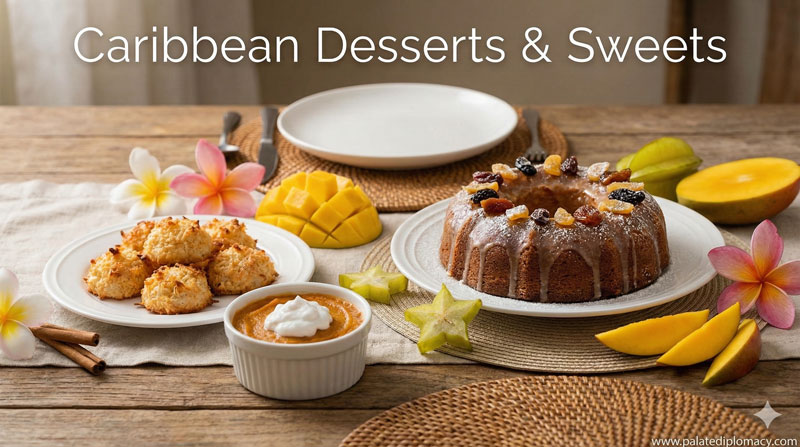
The aroma of rum cake draws travelers in before the first bite. You smell caramel, spice, vanilla, and a hint of citrus. The texture earns trust: a tender crumb that gives way with a gentle squeeze, followed by a soft, resin-like glaze. The interplay of sweetness and warmth often invites tea or coffee to the table, creating a comforting moment amid exploration. In this way, the cake acts as a sensory map, guiding travelers to the Heart of a bakery, cafe, or home kitchen.
Regional Variations: How Each Kitchen Makes It Their Own
Variations reveal local flair and seasonal ingredients. Some bakers add toasted nuts for crunch and depth. Others fold in coconut, almonds, or tropical fruits to echo regional flavors. The glaze may shift from a glossy sugar syrup to a richer, darker finish with aged rum. Spices can lean heavier in cooler climates or brighten in warmer ones. Regardless of the variation, the core idea stays intact: a moist, fragrant cake that celebrates balance, aroma, and a shared moment of sweetness.
A Traveler’s Journey: From Market to Memory
Travelers often discover rum cake in lively markets, small bakeries, or cozy tea houses. They buy a slice to taste, then return with questions about the recipe and technique. Friendly bakers share tips, and the exchange itself becomes part of the experience. The cake accumulates stories as it moves—from a baker’s counter to a traveler’s bag, from memory to memory. In this sense, rum cake anchors a journey, offering a flavorful snapshot of place and hospitality.
Serving Traditions and Moments to Celebrate
Rum cake shines in celebrations and everyday pleasure alike. It pairs nicely with coffee, spiced tea, or a cold glass of milk. For travelers, sharing a plate with new friends turns tasting into connection. The cake is versatile for gifts, dessert buffets, or a simple afternoon treat. In every setting, the act of serving and savoring reinforces a sense of welcome and joint appreciation for craft.
A Quick Guide to Enjoying Rum Cake on the Move
- Seek authenticity in local bakeries and family-run shops.
- Look for a glaze that shines and a crumb that stays moist.
- Ask about small variations to learn regional touches.
- Pair with a beverage that complements the spices, such as coffee or tea.
- Store properly to preserve moisture when you travel, and share a slice with a companion.
Rum cake, in its many expressions, offers a warm invitation to pause, taste, and connect. It reveals how culinary craft and cultural celebration can travel together, enriching each new place a traveler visits.