
The Allure of Seasonal Nordic Tasting Menus
Travelers arrive with curiosity and leave with a memory stitched from taste. Seasonal Nordic tasting menus present more than meals; they offer a cultural itinerary in edible form. Each course is a small story about the land, the harvest, and the hands that work behind the scenes. Diners discover how a region translates climate, soil, and water into texture, aroma, and flavor. The experience feels intimate, precise, and respectful of nature’s pace. In short, these menus invite a conversation between traveler and place, one bite at a time.
A Dialogue with the Seasons
The essence of the Seasonal Nordic tasting menu is change. In winter, preservation techniques crown the table with warmth and memory. In spring, bright greens and tender shoots spark renewal. Summer brings berries, sea vegetables, and quick, vibrant flavors. Autumn composes a robust palate with root vegetables and smoked treasures. The sequence is not only about variety; it is about listening to the land’s current song. Chefs craft the menu to match what is ripe now and what can endure the journey from farm to fork. The result is a living dialogue that unfolds with the calendar, inviting travelers to taste time itself.
Local Sourcing as Cultural Practice
Behind every course lies a network of local producers, harvesters, and gatherers. Seasonal Nordic menus celebrate this network by showcasing ingredients at their peak. Freshly caught fish from nearby shores share the page with foraged herbs and berries gathered with care. Cheese, rye, and dairy products reflect long-standing artisan techniques passed from one generation to the next. Diners experience not just flavor, but the choreography of supply: careful selection, minimal waste, and thoughtful pacing. This approach roots the meal in place and time, making it a cultural practice as well as a meal. Travelers leave with a sense of how communities honor the land through daily choices.
Techniques that Tell a Place’s Story
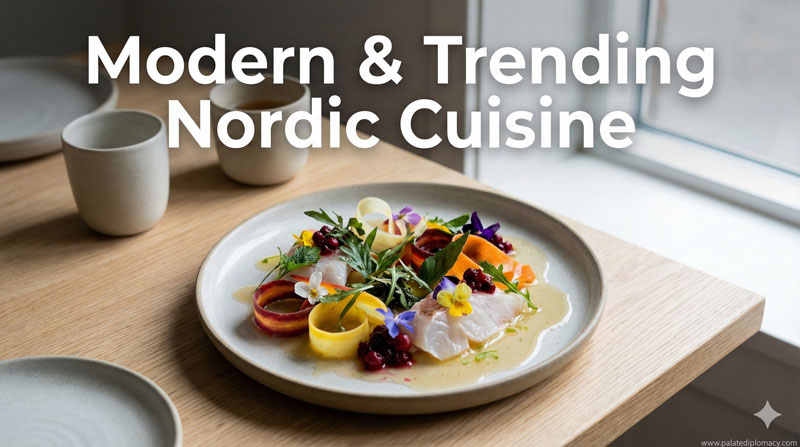
Technique is a language in Nordic kitchens, and the tasting menu uses it to tell a sense of place. Fermentation and curing bring texture and depth while highlighting seasonal shifts. Smoking adds smoke-kissed layers that echo coastal winds. Pickling preserves flavor so a course can speak of late harvests, even when the season has turned. Dairy plays a starring role, with cultured creams, buttermilk, and soft cheeses that carry the character of the region. Seaweed, birch sap, cloudberries, and other native ingredients appear as bridges between land and sea. Plating often mirrors landscapes—the smooth curve of a fjord, the grain of a hillside, or the hush of a forest floor. Every technique contributes to a cohesive narrative rather than a collection of standout elements.
The Hospitality Experience
The dining room becomes a shared space for learning and reflection. Service emphasizes clarity, warmth, and attentiveness, guiding guests through the menu with gentle transitions. Descriptions are inviting rather than overpowering, helping travelers understand the connection between ingredient and intention. The pace respects contemplation; small pauses invite savoring and conversation. This approach to hospitality highlights respect for chefs, producers, and guests alike. It also emphasizes inclusivity—menus are designed to be accessible, with explanations and options that help travelers participate fully in the journey.
Travel, Culture, and Memory
Travelers come to taste, but they depart with broader cultural insight. Seasonal Nordic tasting menus illuminate regional identities in a nonverbal way: through textures, aromas, and the cadence of courses. The experience makes cuisine a shared language for visitors and locals, a bridge built from curiosity and care. As travelers move from course to course, they collect sensory memories—notes of pine, smoke, sea salt, and forest calm—that linger long after the plate is cleared. In this sense, the dish becomes a cultural touchstone: a way to understand how a community nourishes itself and how visitors can appreciate that nourishment.
Craft, Place, and Purpose
Attention to craft lies at the Heart of these menus. Chefs experiment with humility, honoring seasonality and the provenance of each ingredient. They balance innovation with tradition to evolve without losing the essence of Nordic cuisine. The result is a refined yet approachable experience that invites travelers to value slow, deliberate cooking and deliberate sourcing. This balance makes the menus both exciting and comforting, a strong reminder that food can be a daily celebration of seasonality and skill.
A Timeless Appreciation of Simplicity and Depth
What travelers often cite is not only novelty but a sense of rootedness. The dishes offer simple elements presented with depth of technique and clarity of intention. The beauty lies in restraint: letting a single ingredient show its character rather than hiding it behind complexity. In this way, the seasonal tasting menu becomes a meditation on quality, patience, and the artistry of everyday ingredients. The outcome is a lasting appreciation for how a culture harvests, preserves, and presents its flavors.
Accessibility and Inspiration for Food Lovers
Seasonal Nordic tasting menus welcome a broad audience, from curious travelers to seasoned food lovers. The structure provides an approachable entry point to Nordic flavors while offering room for discovery. Clear descriptions, thoughtful pacing, and generous hospitality help guests connect with tasting notes and cultural context. For travelers seeking culinary inspiration, these menus demonstrate how to honor seasonality in modern dining—without abandoning warmth, generosity, or playfulness.
Final Thoughts
Why are travelers falling in love with Seasonal Nordic tasting menus? Because they offer more than taste; they offer a culturally rich, carefully crafted experience that connects people to place. They invite exploration of seasonality, craft, and community through the universal language of food. If you seek a dining experience that feels Like a respectful conversation with the land, this approach to tasting menus invites you to listen closely, savor slowly, and carry the memory of a season long after the plate is empty.