
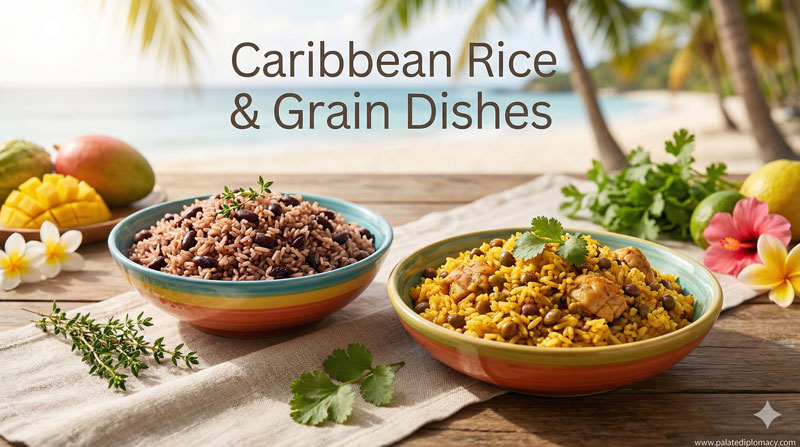
Why Travelers Are Falling in Love with Rice and Peas
Travelers seeking comfort and color often discover a dish that feels both universal and distinctly local: rice and peas. This one-pot treasure blends simple ingredients with a gentle depth of flavor. It invites you to sit, breathe in the aroma, and feel a sense of place in every bite. The dish is approachable for cooks at Home and inviting on a busy street corner. Its charm lies in how the humble becomes memorable when touched by coconut, herbs, and carefully simmered rice. Travelers fall in love because it speaks of home cooking, seasonal markets, and shared tables.
The Sensory Welcome: Aroma and Texture
The kitchen sense is first to greet you. Coconut milk lends a soft sweetness, while thyme and scallions add a fresh, herbaceous lift. A hint of garlic or onion carries the preparation forward without shouting. Steam rises in gentle waves, filling the room with a warm, sunny fragrance. The beans—often called peas in Caribbean kitchens—are creamy and tender. The rice grains are fluffy yet absorb a kiss of the cooking liquid. When you taste it, you notice a balance: the starch from the rice, the creaminess of the beans, and the mellow spice carried by the herbs.
A One-Pot Classic: Simplicity and Depth
Rice and peas shines because it is a one-pot triumph. Put the ingredients together, let them mingle, and you have a complete meal. The cooking method favors patience and rhythm. You start with aromatics, add the rice, then fold in the beans and coconut milk. A light simmer lets flavors mingle without rushing the grains. As the pot sits, the steam seals in fragrance, and the dish gains depth with every minute. The result is a dish that feels both simple and deeply intentional. Travelers appreciate that it feeds many with modest effort.
Cultural Threads in the Pot: Regional Flavors
Rice and peas is a canvas that wears many regional accents. In Jamaica, rice and peas often pair with kidney beans and coconut milk, offering a creamy, comforting bite. Across the islands, variations play with different beans—pigeon peas in some places, kidney beans in others—and with the intensity of coconut flavor. Fresh thyme, scallions, and a touch of pepper are common notes, but cooks adapt to local produce and family recipes. The dish travels well because it holds a core idea: rice cooked with beans and a gentle, herbal-scented broth. Its adaptability makes It a favorite, from busy markets to cozy home kitchens, keeping its identity intact while inviting new influences.
Pairings and Traditions: What Complements Rice and Peas
Rice and peas shines beside a wide range of accompaniments. A well-spiced fried plantain or a crisp side of fried fish adds contrast and color. A heartier dish, such as a stew or grilled fish, can turn the meal into a satisfying feast. Fresh lime or a bright salsa can lift the flavors on a warm day. For many, the dish also appears at family gatherings and Sunday meals, where it rests on the table alongside other beloved staples. Its comfort comes from balancing creamy beans and soft rice with savory, herbal notes and a touch of sweetness from coconut.
A Traveler’s Guide to Enjoying It
Wherever your travels take you, look for rice and peas on menus or at market stalls. If you ask for it, you’ll often hear vendors describe it as a comforting staple. If you are vegetarian, request it without meat; the coconut and herbs still sing. Taste it slowly and note how the aroma changes as it cools slightly. When in doubt, ask about the bean variety and the level of coconut milk. For a complete meal, pair it with a flavorful protein or a bright vegetable dish. Traveling with this dish in mind helps you discover a place through its warmth, texture, and aroma.
Cooking Notes for Curious Cooks
If you want to try making rice and peas at home, keep a few simple ideas in mind:
– Use two parts liquid to one part rice for a tender grain. Liquids can be coconut milk and water or stock.
– Add beans (drained) and a pinch of salt after the rice begins to soften.
– Flavors come alive with thyme, scallions, garlic, and a touch of pepper.
– Let the dish rest a few minutes after cooking to let the flavors settle.
– Variations are welcome. You can adjust the bean type, spice level, or coconut amount to suit your palate.
Final Thoughts: A Dish that Goes Places
Rice and peas is more than a meal. It is a doorway to places you visit and memories you may carry home. Its warmth, creamy texture, and herbal lift make it a dish travelers repeatedly seek out. It speaks of careful cooking, friendly kitchens, and markets full of bright produce. In every region that honors it, the dish stays true to its heart: simple ingredients coming together to create something welcoming, flavorful, and enduring. If you are tasting it for the first time or savoring a familiar plate abroad, you are part of a shared culinary journey that celebrates the beauty of everyday cooking.